Health Chi-Tech
Health Chi-Tech
Health Chi-Tech
In the high-stakes arena of neurosurgery, the margin for error is non-existent. As a leading Neurosurgical Instruments Manufacturer & Factory, we recognize that the tools in a surgeon's hand are an extension of their expertise. This white paper explores the critical intersection of biomedical engineering, metallurgy, and clinical application that defines modern neurosurgical instrumentation.
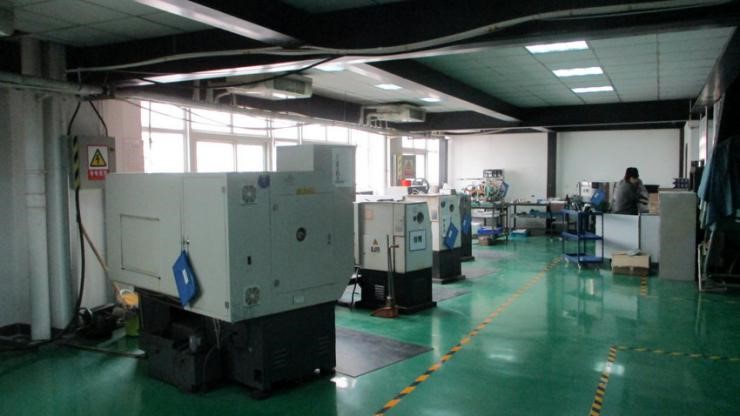
The global market for neurosurgical instruments is undergoing a paradigm shift. With the rise of minimally invasive surgeries (MIS) and the integration of AI-assisted navigation, the demand for precision-engineered cranial drills, spinal retractors, and micro-instruments has reached an all-time high. Our facility, established in 2005, has stood at the forefront of this evolution for over 21 years, blending traditional craftsmanship with Industry 4.0 manufacturing processes.
Years of Manufacturing Expertise
Certified Quality Management
New Patents Annually
China's medical device ecosystem offers unparalleled access to high-grade medical steel and titanium alloys. Our factory leverages this proximity to ensure rapid prototyping and scalable production without compromising on material integrity.
Operating under ISO 13485 and CE certifications, Chinese manufacturers have harmonized with global standards. We implement 100% inspection protocols on every production line to meet FDA and EU MDR requirements.
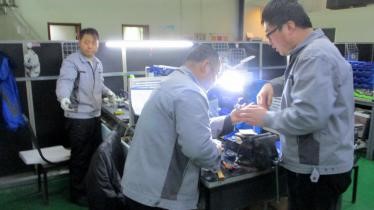
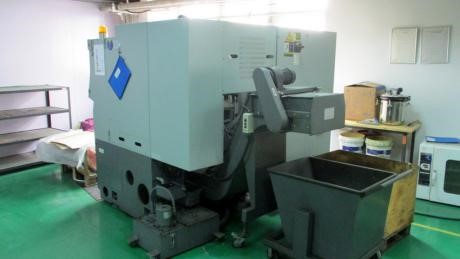
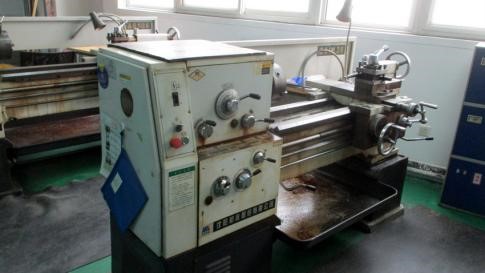
By integrating automated CNC machining with skilled hand-finishing, we provide instruments that rival European counterparts in precision while offering significant cost advantages for global healthcare providers.
The neurosurgical landscape in 2024 and beyond is defined by three core pillars: Miniaturization, Digital Integration, and Ergonomics.
Unilateral Biportal Endoscopy (UBE) is revolutionizing spine surgery. Our UBE Retractors are designed specifically for these biportal approaches, offering superior visualization.
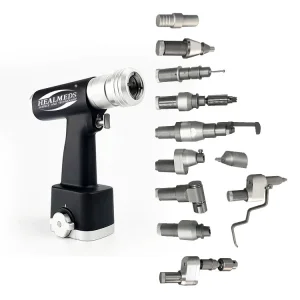
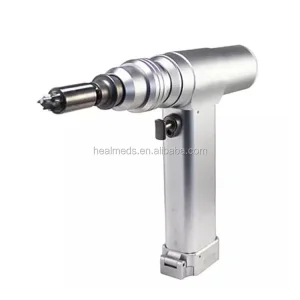
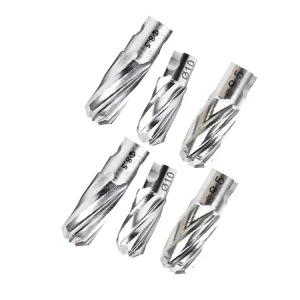
Modern cranial drills now feature intelligent torque control to prevent dural injury, a feature integrated into our latest neurology hand drill machines.
Shift from stainless steel to Grade 5 Titanium for long-term implants and instruments to reduce weight and improve MRI compatibility.
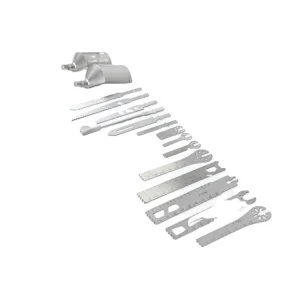
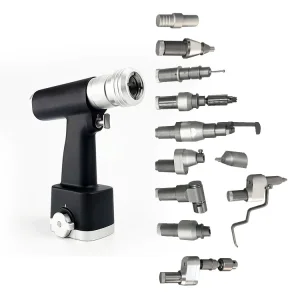
Modular drill systems that can switch between sagittal saws, reamers, and cranial burrs, maximizing OR efficiency and reducing sterilization cycles.
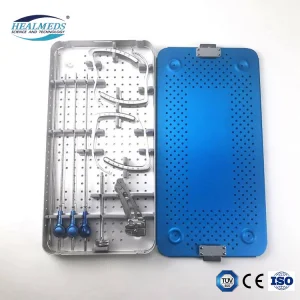
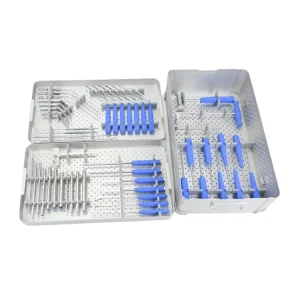
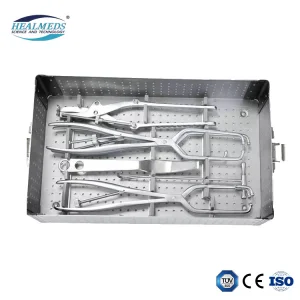
In emergency craniotomy or spinal trauma cases, the Orthopedic Surgical Trauma Instrument Multi Dual Function system allows surgeons to pivot quickly between bone cutting and fixation, crucial for life-saving interventions.
For elective procedures like AC joint repairs or ACL reconstructions, precision hand tools ensure minimal tissue trauma and faster patient recovery times.
Adapting human-grade precision for the veterinary market, our Animal Orthopedic Multifunctional Surgical Drill meets the growing demand for advanced pet healthcare worldwide.
We don't just sell instruments; we provide comprehensive surgical infrastructure solutions.
Established: 2005-01-14
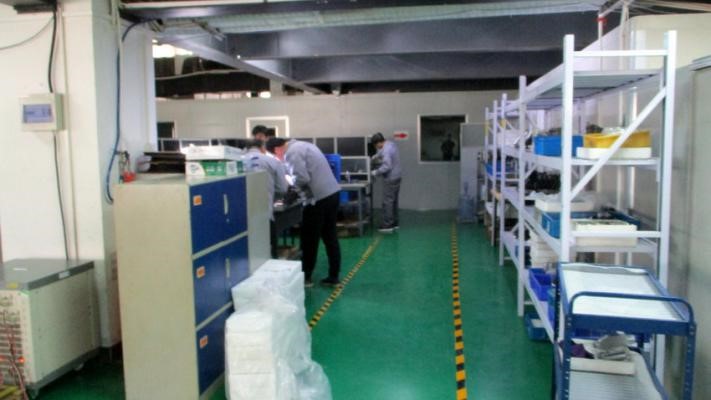
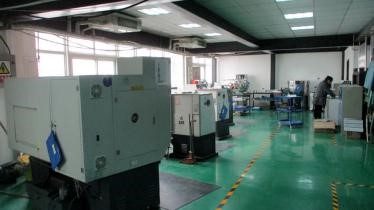
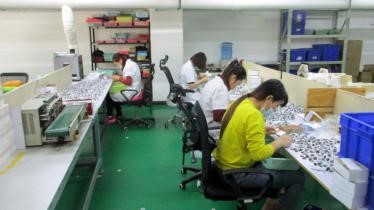
Facility Size: 1036 sqm
Production Lines: 4 Dedicated Lines
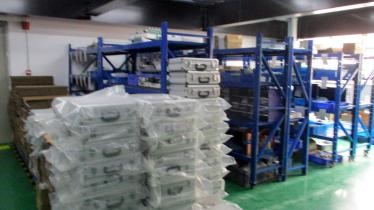
Annual Output: High-capacity scalable manufacturing.
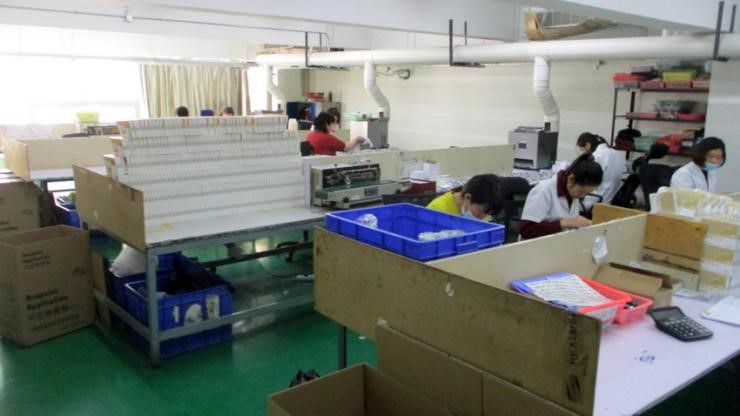
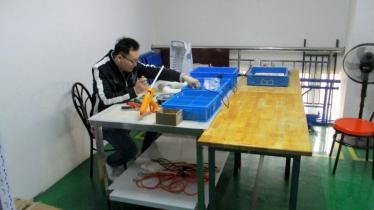
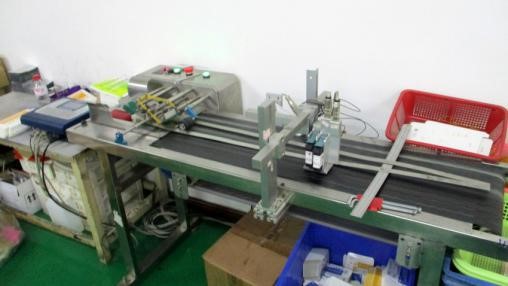
Our team of 3 graduate R&D engineers released 10 new products last year. We specialize in light customization, sample processing, and graphic processing to meet unique surgical requirements.
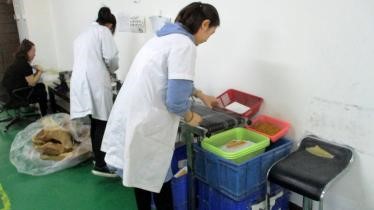
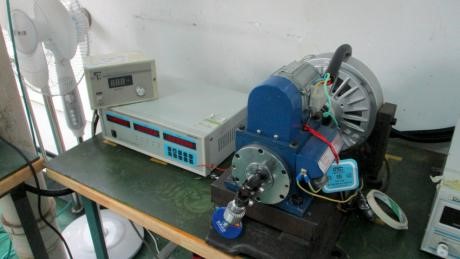
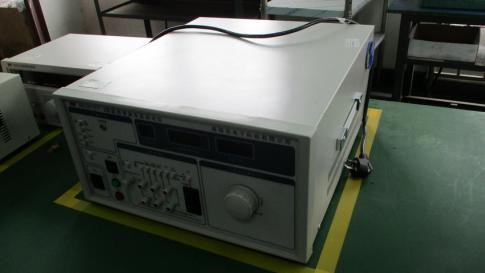
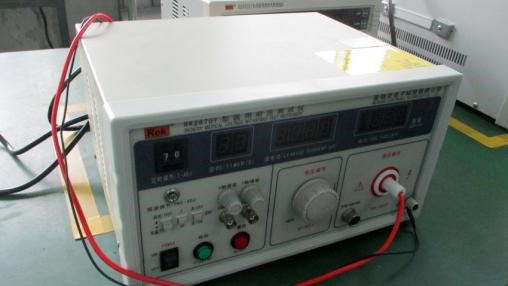
With 2 full-time QA/QC inspectors, we ensure 100% product inspection. Our raw material traceability system guarantees that every instrument meets the highest safety standards.
We primarily use Medical Grade 316L Stainless Steel and Titanium Alloy (Grade 5). These materials are chosen for their superior corrosion resistance, biocompatibility, and ability to withstand repeated autoclave sterilization.
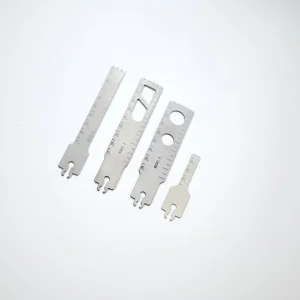
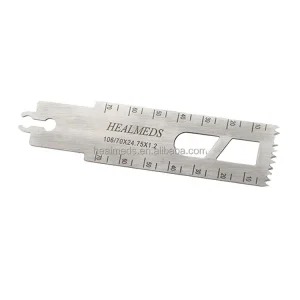
Yes, many of our power tools, such as the oscillating bone saw blades and cranial drills, are designed to be compatible with major industry standards, providing a cost-effective alternative for high-quality replacements.
For light customization (e.g., laser marking), lead times are typically 2-3 weeks. For full OEM/ODM projects involving new mold designs, the timeline ranges from 8 to 12 weeks depending on complexity.
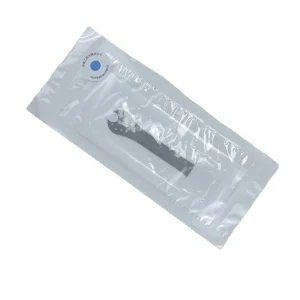
While many instruments are shipped in non-sterile bulk packaging for hospital-side sterilization, we also offer medical-grade sterilization pouches and validated packaging systems for sterile-delivery requirements.