Health Chi-Tech
Health Chi-Tech
Health Chi-Tech
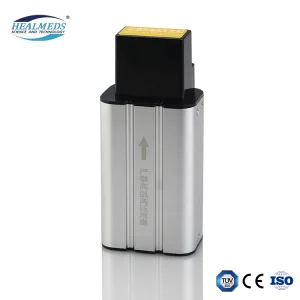
In the high-stakes environment of the operating room, the reliability of surgical power tools is paramount. As a premier Ortho Accessories Battery Factory, we understand that a battery is not just a component; it is the lifeline of precision surgery. This whitepaper explores the technological shifts, procurement requirements, and future outlook of the orthopedic battery market.
The industry is moving away from traditional Nickel-Cadmium (NiCd) and Nickel-Metal Hydride (NiMH) toward Lithium-Ion (Li-ion) chemistry. This shift offers higher energy density, lower self-discharge rates, and significant weight reduction for surgeon comfort.
Next-generation batteries feature advanced thermal-resistant polymers capable of withstanding repeated sterilization cycles (up to 134°C) without compromising the internal cell integrity.
Modern surgical batteries now integrate intelligent BMS that monitor voltage, current, and temperature in real-time, providing surgeons with accurate remaining-run-time data.
Years of Industrial Excellence
Global Supply Chain Partners
Product Inspection Rate
New Innovations Annually
Global medical device distributors and hospital procurement departments face increasing pressure to source cost-effective yet highly reliable battery replacements. Our role as a top-tier exporter is to bridge the gap between high OEM prices and low-quality third-party alternatives.
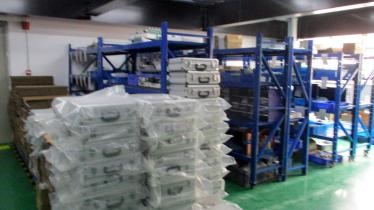
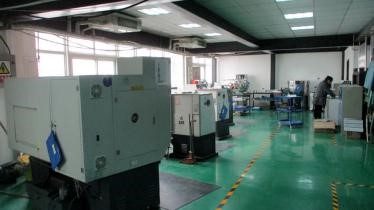
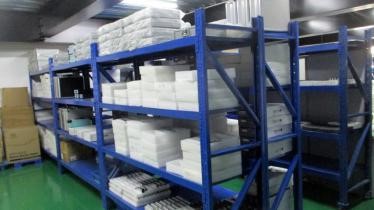
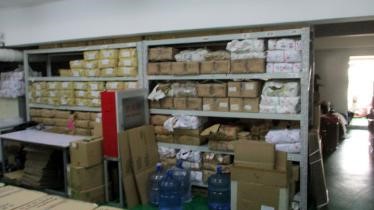
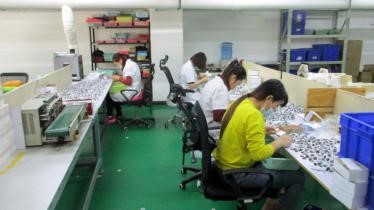
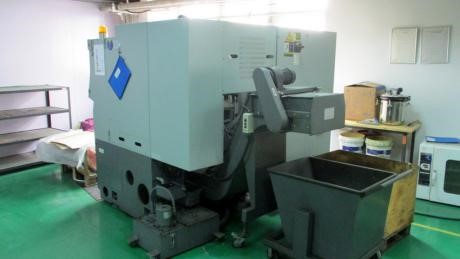
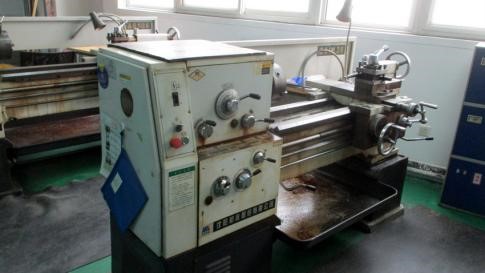
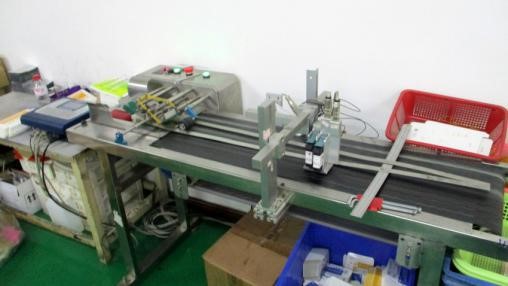
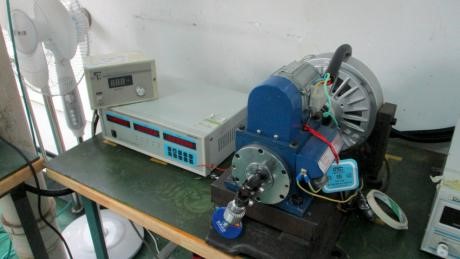
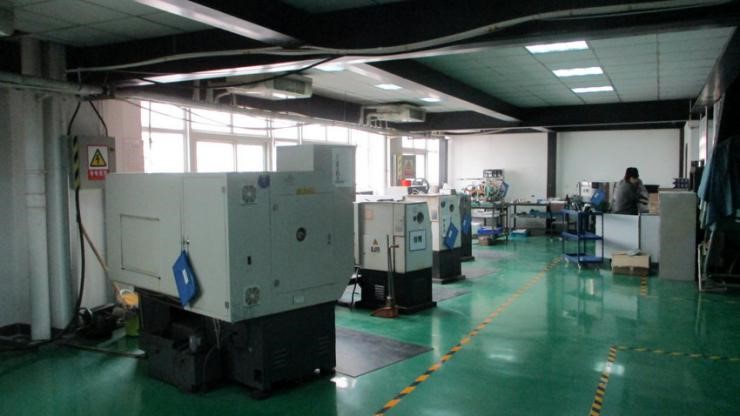
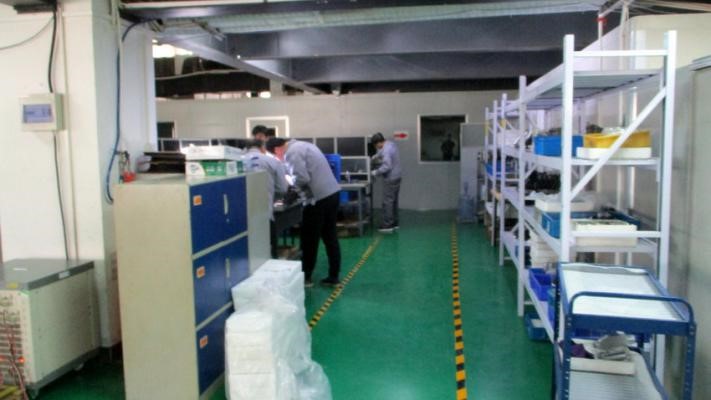
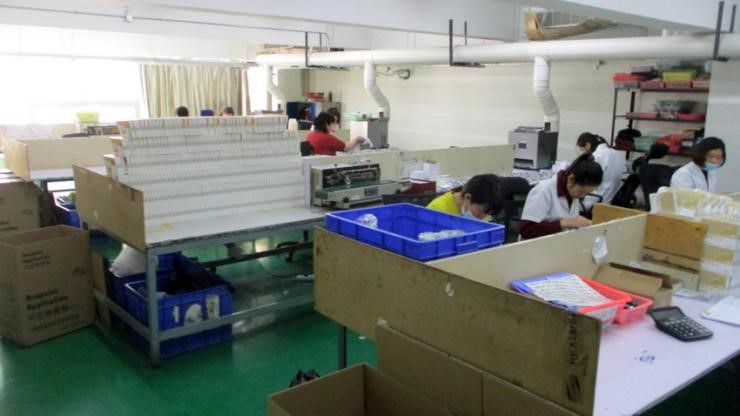
With our 4 dedicated production lines and 8 advanced production machines, we mitigate supply chain risks. Our 1036㎡ facility is optimized for rapid prototyping and large-scale manufacturing, ensuring that hospital inventories remain stocked even during global logistical disruptions.
The roadmap for orthopedic power focuses on three core pillars: Miniaturization, Connectivity, and Sustainability.
We are researching solid-state electrolytes to eliminate the risk of leakage and thermal runaway, making surgical tools safer than ever before.
Future batteries will "talk" to the hospital's central management system, alerting biomedical engineers when a battery is reaching its end-of-life cycle before it fails.
Developing 100% recyclable battery casings and programs to refurbish internal cells safely to reduce medical waste.
Established on 2005-01-14, we have dedicated over 21 years to the medical industry. Our facility operates with ISO13485 and CE certifications, ensuring every unit meets international safety standards.


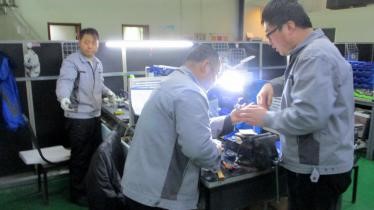
Our team of 3 graduate-level R&D engineers specializes in light customization, sample processing, and graphic processing. We launch over 10 new products annually to stay ahead of surgical tool evolution.
Our primary footprint includes North America (20%) and South America (18%), serving brand businesses, wholesalers, and medical engineers worldwide.
A: Yes, our batteries are specifically engineered and tested to be fully compatible with Stryker System 5, System 6, and System 7, as well as the 567 series handpieces.
A: Under standard medical sterilization and charging protocols, our batteries typically provide 500-800 full charge/discharge cycles before noticeable capacity degradation.
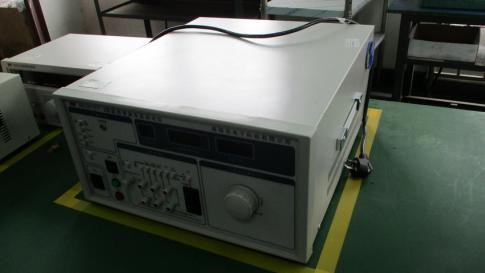
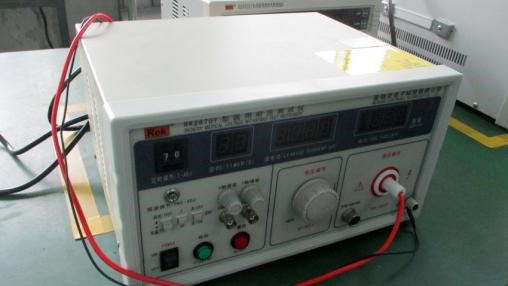
A: Every battery undergoes a 100% inspection process, including thermal stability tests, voltage drop analysis, and casing integrity checks. We also comply with UN38.3 standards for safe air transport.
A: Absolutely. We provide full technical documentation, certifications, and sample units for clinical trials to support distributors and engineering partners in local bidding processes.