Health Chi-Tech
Health Chi-Tech
Health Chi-Tech
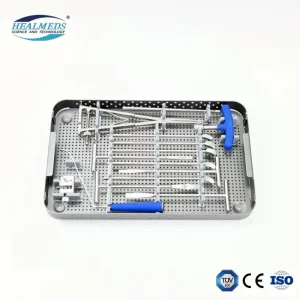
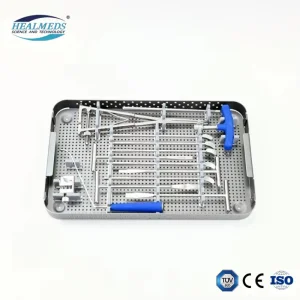
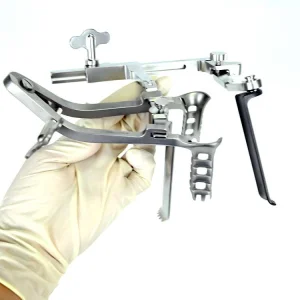
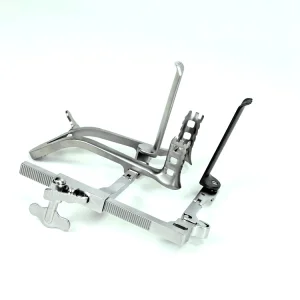
With over two decades of dedicated medical device fabrication, we drive surgeon satisfaction by integrating strict European standards (CE) and ISO13485 quality systems with flexible China-based supply chain systems.
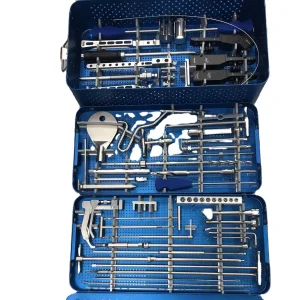
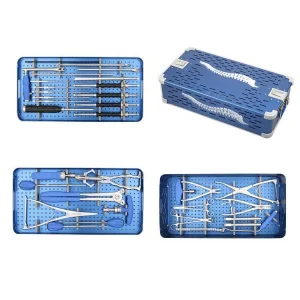
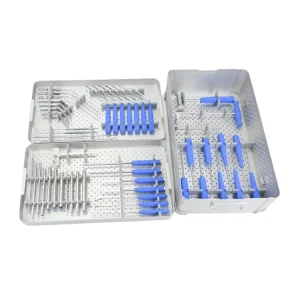
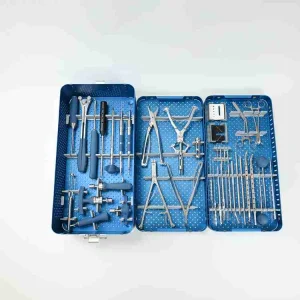
Orthopedic spine surgeries call for unmatched accuracy. Modern clinical procedures require instruments that can bear massive mechanical loads, resist chemical wear from sterilization cycles, and guarantee ergonomic safety for surgeons. As a leading OEM Orthopedic Instrument Set manufacturer and exporter, we customize spine instruments to align with these requirements.
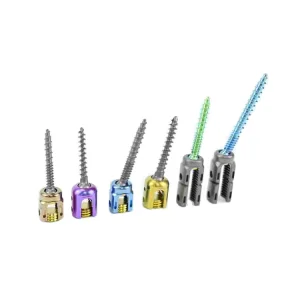
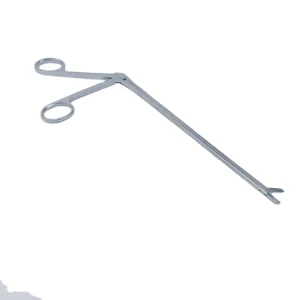
Spine instrument sets are engineered using biomedical materials like German stainless steel (1.4112 / SUS630) and medical-grade titanium alloys. These materials are selected because they are biocompatible and resistant to pitting and crevice corrosion under high autoclave temperatures. Every screwdriver, rongeur, retractor, and tap undergoes passivation to produce a stable chromium-oxide layer. This surface treatment shields the underlying alloy from bodily fluids, minimizing friction during surgical insertion.
Silicon and textured handles reduce hand fatigue during long surgeries. They improve leverage during transpedicular screw insertions and TLIF structural placements.
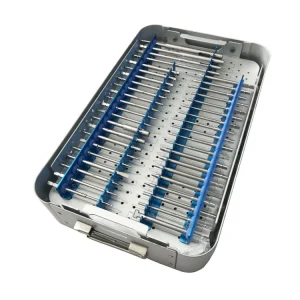
Anodized coatings and deep passivation enable our instrument trays to endure thousands of steam sterilization cycles without color fading or material degradation.
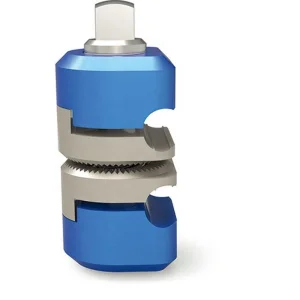
Our instruments have tolerances within micrometers to prevent micro-movements between the tool interface and implant components like pedicle screw heads.
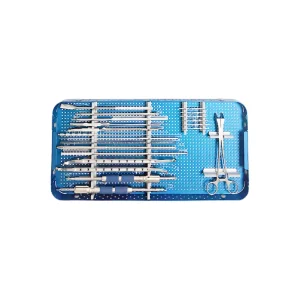
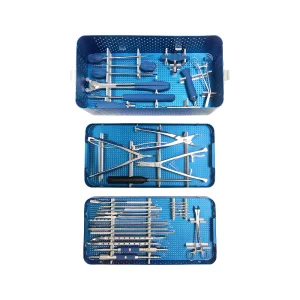
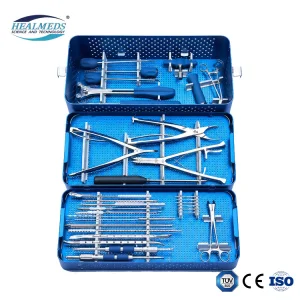
Different spinal procedures require dedicated structural layouts and functional properties in their instrument sets:
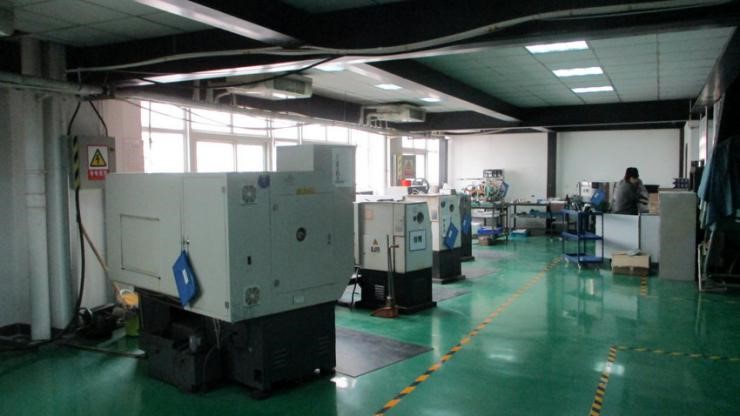
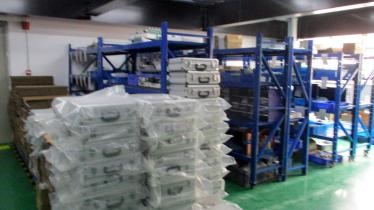
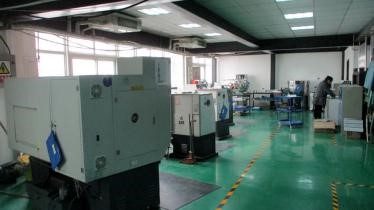
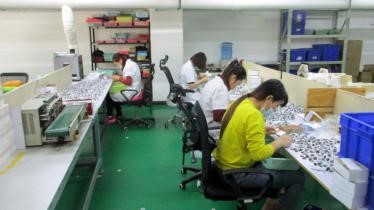
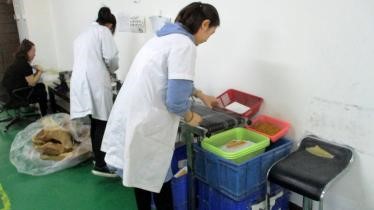
China's medical supply chain offers high adaptability, technical expertise, and cost-efficiency. Backed by 45 trusted raw material and logistics partners, our manufacturing facility in Jiangsu manages the complete production cycle, from raw material procurement to final sterile packaging.
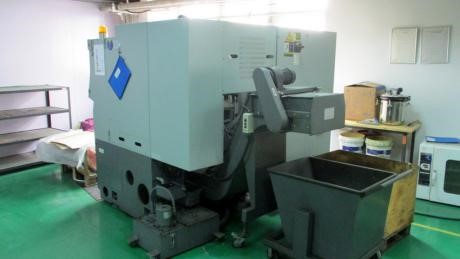
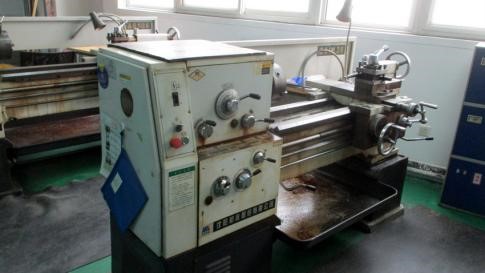
Our facility uses multi-axis CNC machines and Swiss-type automatic lathes to guarantee that every surgical instrument meets dimensional specifications. Rather than depending on basic casting, we use precision forging, EDM wire cutting, and laser welding. This keeps production tolerances within ±0.01 mm, ensuring compatibility with implants.
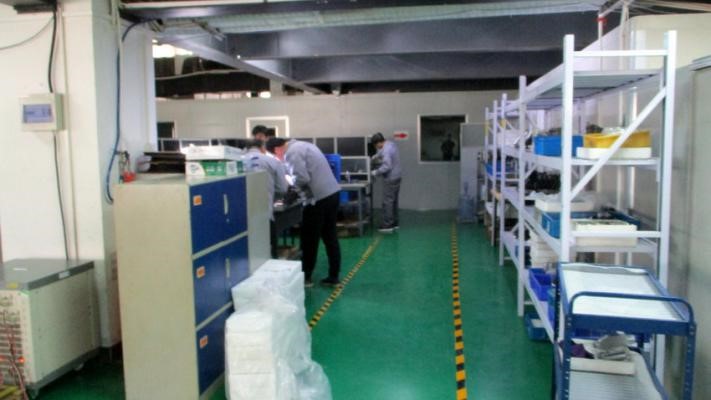
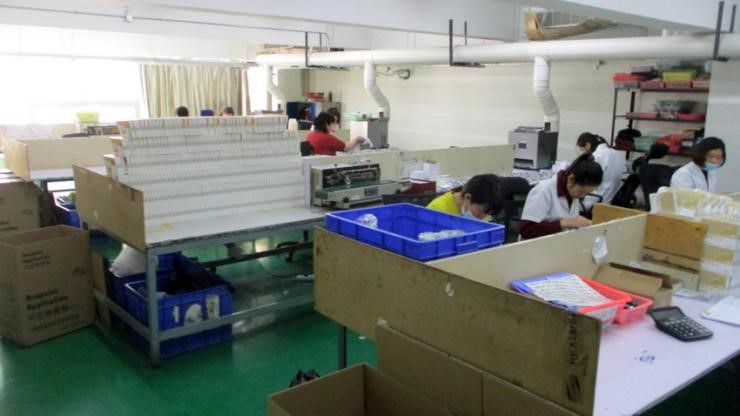
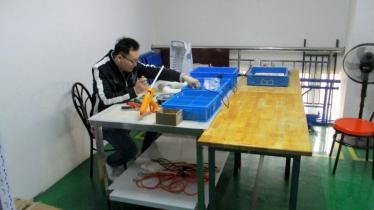

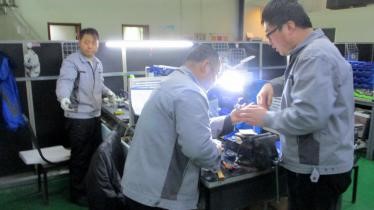
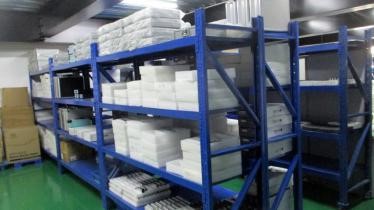

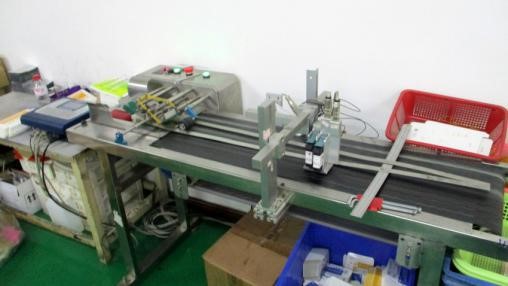
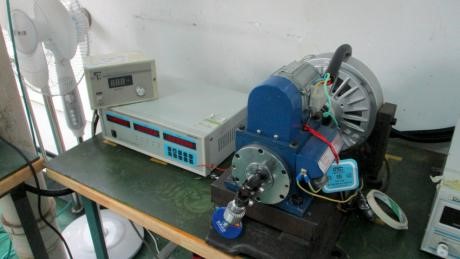
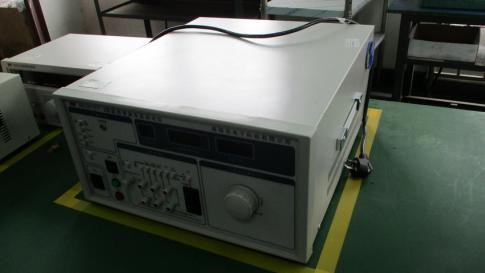
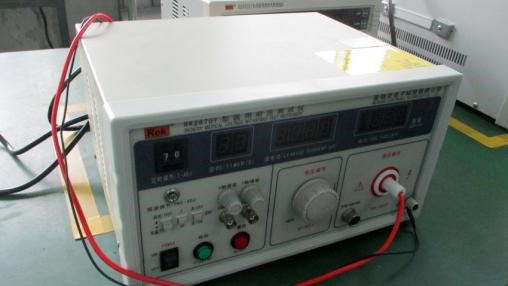
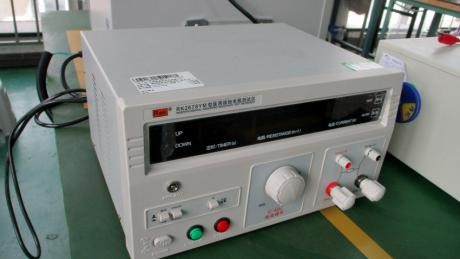
Navigating international medical regulations demands strict compliance. Under ISO 13485:2016 quality management protocols, our instruments are manufactured to ensure full material and processing traceability.
For registration in the European Economic Area, our certificates (such as CE Certification HD 60142131 0001 and G1 104715 0002 Rev. 01) demonstrate compliance with MDR safety standards. This helps global distributors clear customs smoothly and reduces their time-to-market.
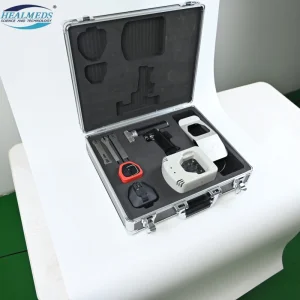
The orthopedic industry is shifting toward smart, integrated surgical workflows. Our R&D division, featuring graduate-level engineers, focuses on three primary development paths: