Health Chi-Tech
Health Chi-Tech
Health Chi-Tech
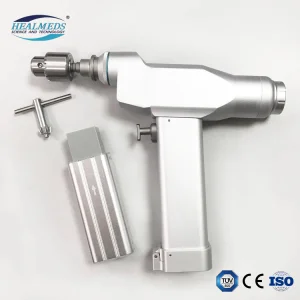
The global market for surgical power tools, specifically sternum saws and reciprocating saws, has witnessed a paradigm shift driven by the demand for minimally invasive cardiovascular procedures and high-precision trauma surgeries. As a cornerstone of cardiothoracic surgery, the sternum saw (also known as a sternotomy saw) is engineered to provide clean, rapid access to the thoracic cavity while minimizing bone trauma and heat necrosis.
In the industrial and commercial landscape of 2024, Chinese manufacturers have moved up the value chain. No longer merely low-cost suppliers, leading exporters now integrate brushless DC motors (BLDC), lithium-ion battery technology, and aircraft-grade aluminum housings. This evolution aligns with the global shift toward ergonomic, cordless, and highly autoclavable instruments that meet the rigorous standards of hospitals in North America and Europe.
Advanced reciprocating mechanisms with variable speed triggers (0-15,000 CPM) allow surgeons to execute precise longitudinal or transverse osteotomies with reduced hand fatigue.
Integration of high-capacity sterile battery packs ensures uninterrupted performance during complex 6-8 hour cardiac surgeries without the clutter of pneumatic hoses.
Constructed with medical-grade stainless steel and specialized coatings, these tools withstand over 1,000 autoclave cycles at 134°C without compromising internal electronics.
The roadmap for orthopedic power tools is increasingly intersecting with Artificial Intelligence (AI) and Haptic Feedback. Future sternum saws will likely incorporate sensors that detect bone density and automatically adjust torque and speed to prevent accidental soft tissue damage. This "intelligent cutting" is the next frontier for China's high-end medical exporters.
| Feature Set | Current Standards (2024) | Future Outlook (2027+) |
|---|---|---|
| Motor Tech | Brushless DC (BLDC) | AI-Modulated Smart Motors |
| Feedback | Manual Trigger Control | Haptic vibration & Real-time Pressure Sensors |
| Connectivity | Standalone Hardware | Bluetooth IoT for Sterilization Cycle Tracking |
| Materials | SS 316L / Titanium Alloys | Carbon-fiber composites for ultra-lightweight frames |

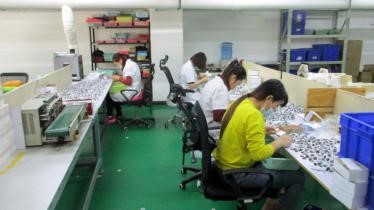
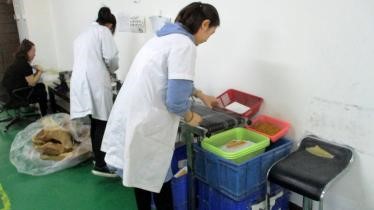
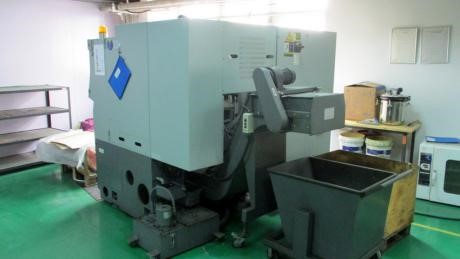
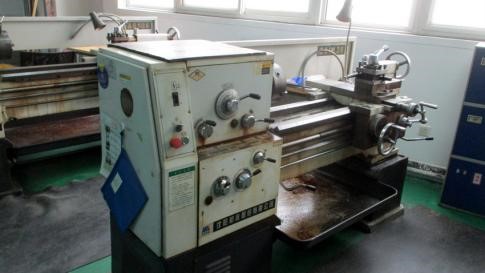
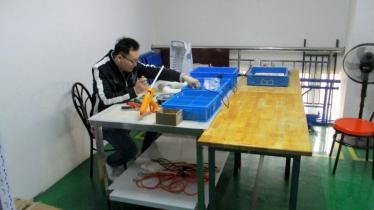
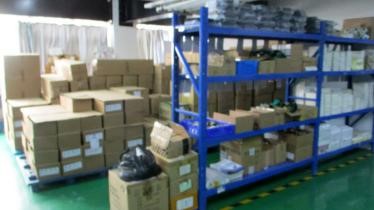
Since 2005, we have established a robust manufacturing footprint covering 1036㎡ of controlled environment production space. Our commitment to E-E-A-T principles is backed by 21 years of export experience and a rigorous ISO 13485 quality management system.
Our R&D team, consisting of graduate-level engineers, has launched 10 new products in the last year, focusing on "light customization" and "sample processing" to meet specific clinical needs from North America to South America.
Registration: 2005-01-14
Production Lines: 4 Active Lines
QC Protocol: 100% inspection of all products across all lines
Compliance: CE (HD 60142131), ISO13485
Main Markets: North America (20%), South America (18%), Domestic (15%)
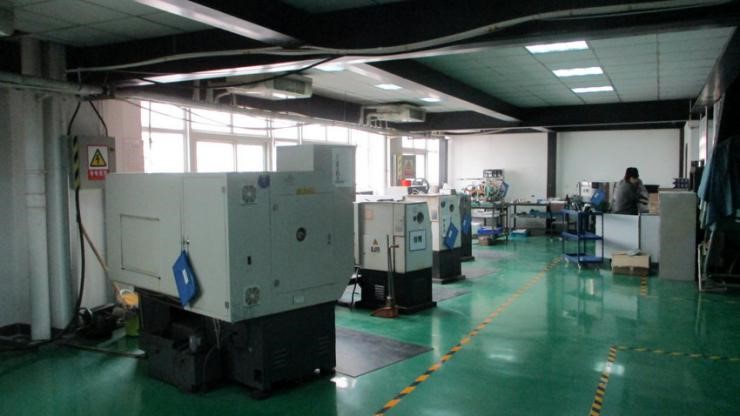
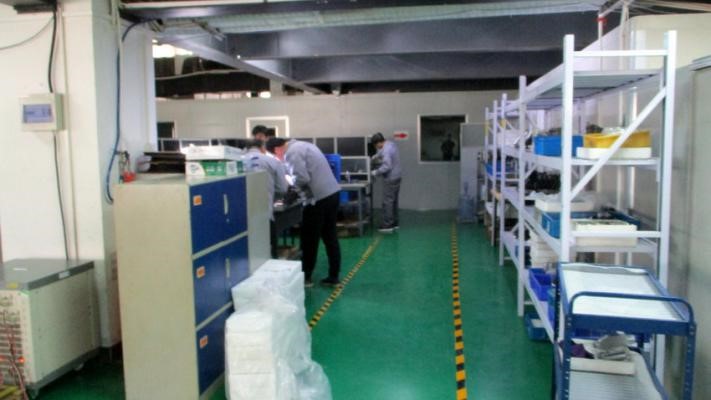
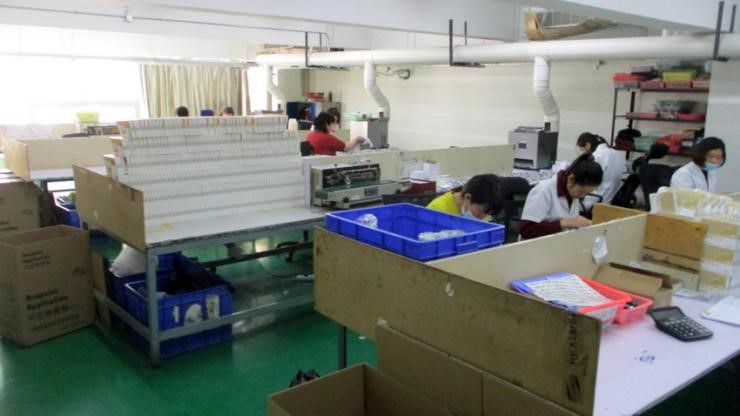
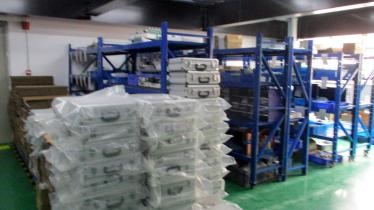
Comprehensive customization from graphic processing to sample prototyping. We help brand owners launch proprietary surgical lines with full regulatory documentation.
With 21 years of export experience, we manage complex medical device shipping protocols, ensuring biocompatible instruments arrive sterile and on time.
24/7 technical advisory for surgical tool maintenance, battery optimization, and blade selection for specific orthopedic procedures.
A: Most our blades are manufactured from specialized martensitic stainless steel with optional titanium-nitride (TiN) coating for increased hardness and reduced friction during high-speed oscillation.
A: We utilize medical-grade brushless motors that are vacuum-sealed to prevent fluid ingress and designed to operate under the high-torque demands of sternotomy procedures.
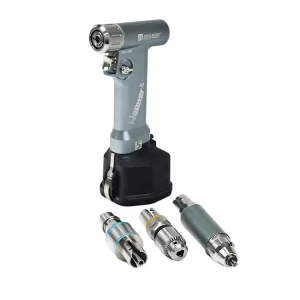
A: Yes, many of our power tools are designed with "Universal Quick-Connect" interfaces, making them compatible with industry-standard attachments such as Stryker or Smith & Nephew style burrs and blades.
A: Standard orders typically ship within 15-30 days, while custom OEM projects may take 45-60 days depending on the complexity of graphic and mechanical processing.