Health Chi-Tech
Health Chi-Tech
Health Chi-Tech
In the contemporary medical landscape, the demand for knee joint replacements and supportive orthopedic instrumentation has seen an unprecedented surge. As the global population ages, particularly in markets like North America and Europe, the reliance on high-precision Knee Joint Suppliers and Exporters has transitioned from a localized need to a critical global supply chain priority.
The global orthopedic joint replacement market is projected to grow at a CAGR of 6.5% through 2030. This growth is driven by advancements in robotic-assisted surgery and a shift towards outpatient joint replacement procedures.
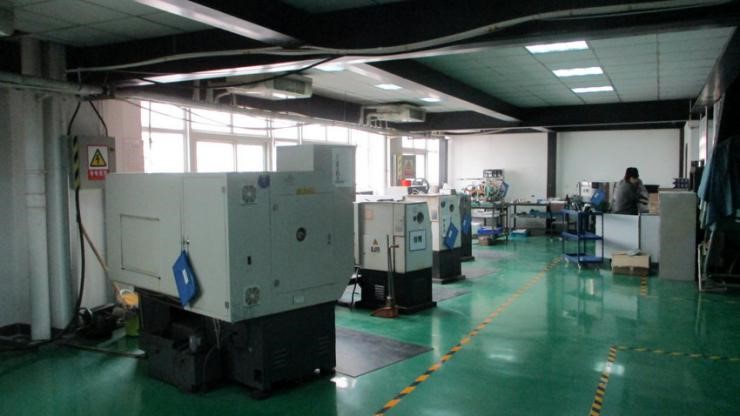
Modern manufacturing utilizes 5-axis CNC machining and 3D metal printing (Additive Manufacturing) to create porous structures that promote osseointegration, significantly improving patient outcomes.
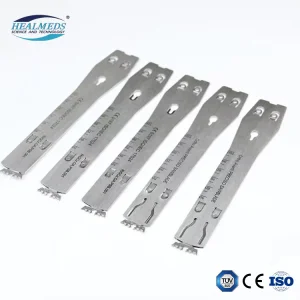
Top exporters are now focusing on localized distribution hubs to minimize lead times, ensuring that surgical instruments like Stryker-compatible saw blades are available on-demand for emergency trauma cases.
Years of Export Excellence
Global Supply Chain Partners
Production Floor Space (㎡)
Product Inspection Rate
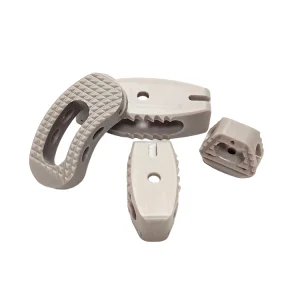
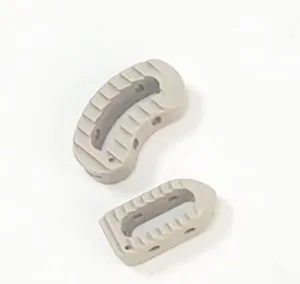
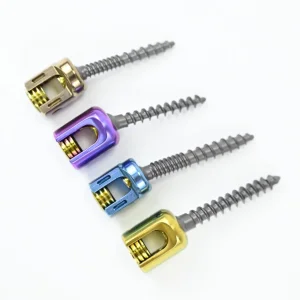
The industry is moving beyond traditional Cobalt-Chrome alloys. We are seeing a rapid adoption of PEEK (Polyether ether ketone) and advanced Titanium alloys. These materials offer a modulus of elasticity closer to human bone, reducing the "stress shielding" effect and prolonging the lifespan of the implant.


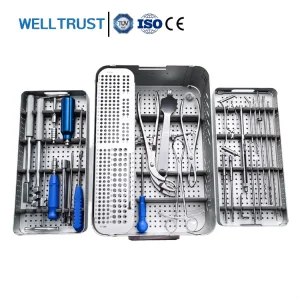
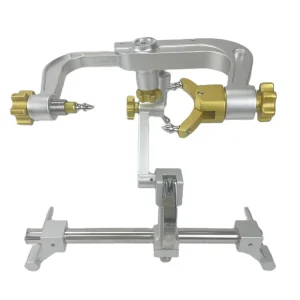
A truly elite knee joint supplier does not just sell parts; they provide comprehensive surgical ecosystems. Our integrated approach ensures compatibility between implants, power tools, and extraction kits.
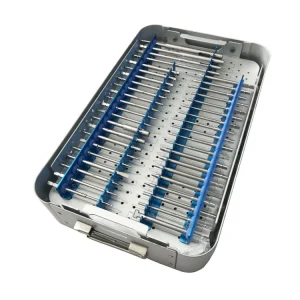
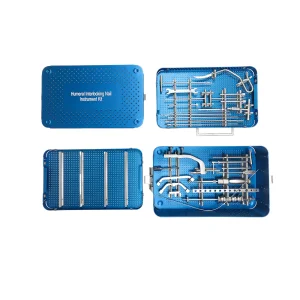
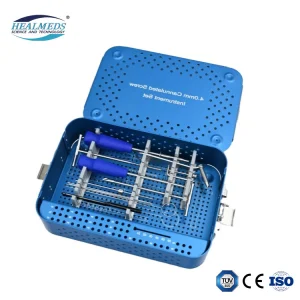
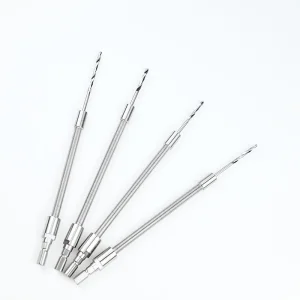
Complete sets including Small Fragment Instrument Kits and AO-type flexible drill bits designed for high-stress emergency environments.
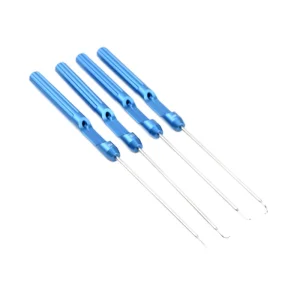
Specialized tools like the Ortho Screw Removal Set ensure that surgeons can handle complex revision cases where existing hardware has failed or integrated too deeply.
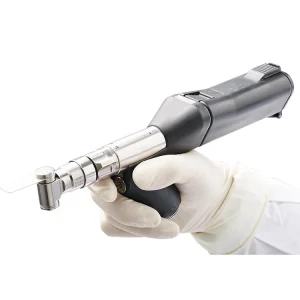
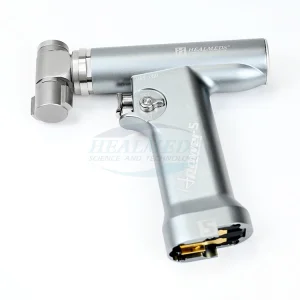
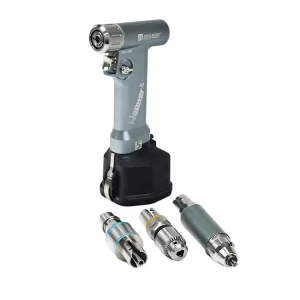
Brushless motor sagittal saws and high-speed drills that provide the torque required for clean osteotomies without thermal necrosis.


A: At a minimum, ISO 13485 (Medical Devices - Quality Management Systems) and CE marking are mandatory. These ensure the manufacturer adheres to strict international safety and efficacy standards required for surgical implants and instruments.
A: Titanium is preferred for its biocompatibility and "bone-friendly" modulus, while PEEK is often used in spinal and joint spacers for its radiolucency and fatigue resistance. High-grade stainless steel remains the gold standard for surgical power tools and drill bits.
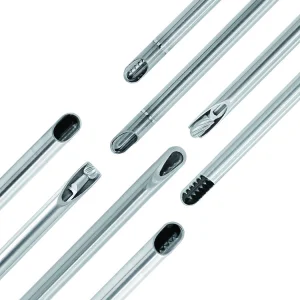
A: Yes, many of our precision instruments, such as our Arthroscopy Shavers and Saw Blades, are designed to be fully compatible with major global systems, providing a cost-effective yet high-quality alternative for hospitals.