Health Chi-Tech
Health Chi-Tech
Health Chi-Tech
In the high-stakes arena of orthopedic surgery, the Kirschner wire (K-wire) remains an indispensable tool. As a leading OEM/ODM Kwire Pin manufacturer, we understand that these pins are more than just simple stainless steel or titanium wires; they are the fundamental stabilizers for fracture fixation, skeletal traction, and guiding larger implants. Our mission as a global supplier is to bridge the gap between clinical requirements and manufacturing precision.
Utilizing Medical Grade 316LVM Stainless Steel and Grade 5 Titanium (Ti-6Al-4V ELI) to ensure maximum biocompatibility and fatigue resistance.
Electro-polishing and proprietary coating technologies to reduce friction during insertion and minimize thermal necrosis risks in bone tissue.
Fully compliant with ISO 13485:2016 and CE MDR standards, ensuring that our products meet the rigorous safety profiles required by North American and European markets.
The trajectory of K-wire manufacturing is shifting toward "Smart Implants" and enhanced surface functionalities. As a forward-thinking ODM supplier, we are currently investing in the following technological milestones:
Development of Hydroxyapatite (HA) coated wires to enhance osseointegration for long-term temporary fixation.
Research into Magnesium-based alloys that eliminate the need for a secondary removal surgery.
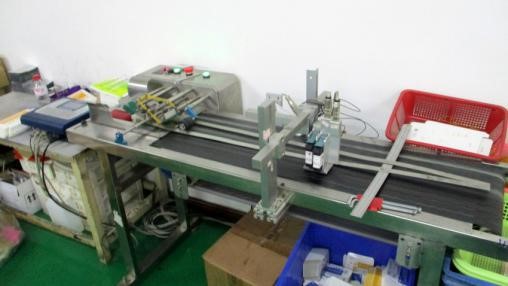
Integration of UDI (Unique Device Identification) laser marking for end-to-end traceability from factory to OR.
Expert Insight: "The next decade of K-wire utility will focus on reducing infection rates. We are exploring antimicrobial silver-ion infusion techniques to provide a secondary layer of protection against biofilm formation during percutaneous pinning." — Chief R&D Engineer
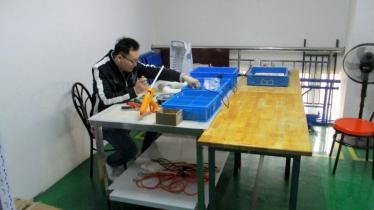
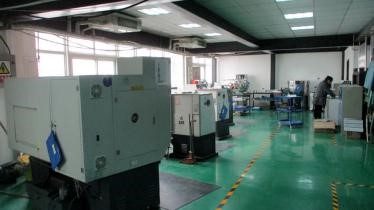
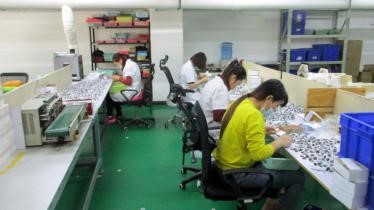
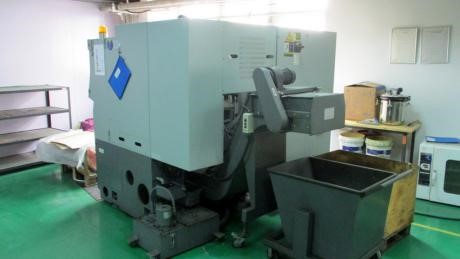
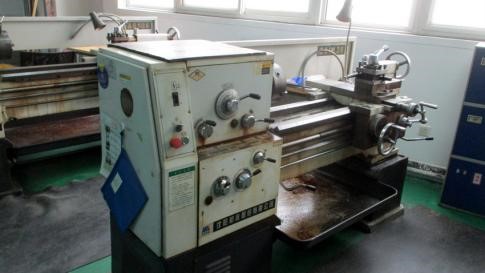
Leveraging our 21 years of export history, our production facility in China offers unparalleled efficiency and cost-effectiveness. In a world of disrupted logistics, our localized supply chain for raw materials ensures that we maintain a 99% on-time delivery rate.
Our OEM/ODM Kwire solutions are tailored to specific surgical needs across diverse medical departments:
Commonly used in hand and foot surgery for stabilizing small bone fragments. Our 0.8mm to 2.0mm wires are the industry standard for Phalangeal and Metatarsal fractures.
Ideal for supracondylar humeral fractures in children, providing stable fixation while respecting the growth plate.
Specialized lengths and diameters for pet surgery, including avian and small mammal fracture repair. (Refer to our Premium Quality Veterinary Implants).
Registration Date: 2005-01-14
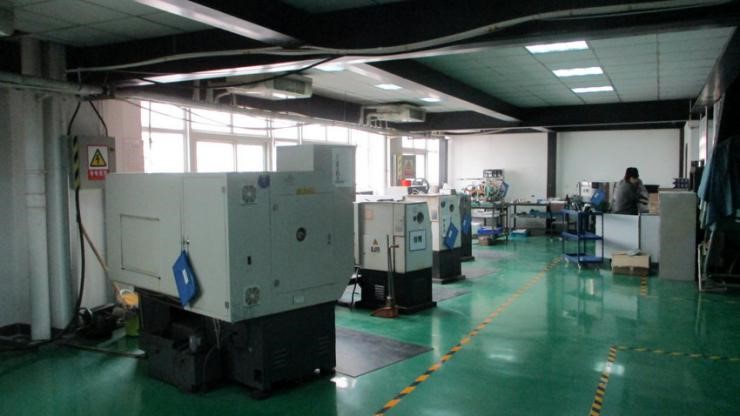
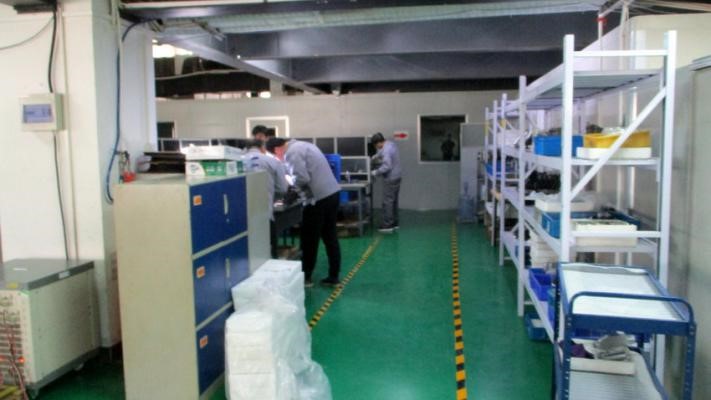
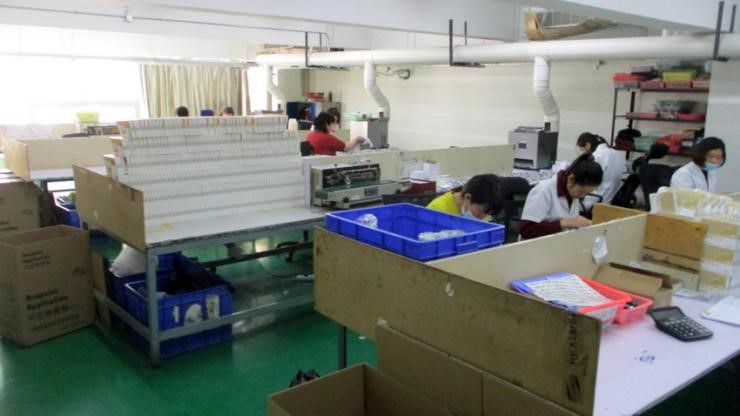
Floor Space: 1036 ㎡
Years Exporting: 21 Years
Certifications: ISO13485, CE (UKZB24MD30120R0S)
R&D: 3 Graduate Engineers
Markets: North America (20%), South America (18%), Domestic (15%)
Customization: Sample processing, Graphic processing, Customized on demand
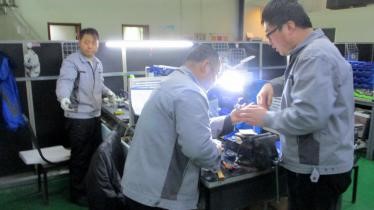
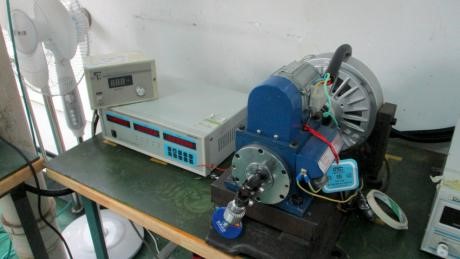
QC: Inspection of all products on all lines


A: Most surgeons prefer 316LVM Stainless Steel for temporary fixation due to its stiffness and cost-effectiveness. However, Titanium Grade 5 is recommended for patients with nickel allergies or when MRI compatibility is a priority.
A: Yes, as an ODM specialist, we offer Trocar, Diamond, and Threaded tips. Lengths can be customized from 50mm up to 450mm with diameters ranging from 0.6mm to 4.0mm.
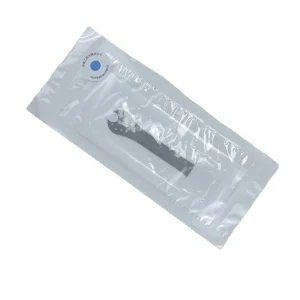
A: We provide both non-sterile (bulk) and EO-sterilized individual packaging. Our sterilization processes are validated according to ISO 11135 standards.
A: Typical lead times for custom graphic processing and manufacturing range from 2 to 4 weeks, depending on the complexity and volume of the order.
Our commitment to excellence extends beyond the factory floor. We provide comprehensive localized support for our partners in North America, South America, and Europe. By understanding local regulatory environments and clinical preferences, we help our distributors navigate the complex medical device landscape.
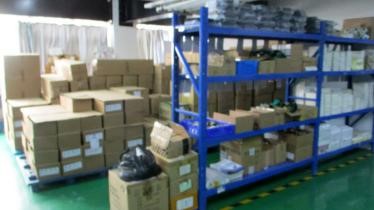
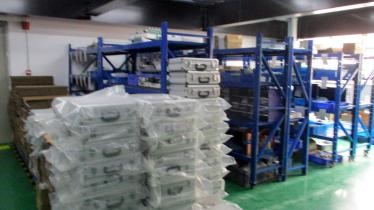
Supply Chain Security: With 45+ supply chain partners, we guarantee that our raw material sourcing remains ethical and high-quality. Our "Safety Stock" program allows for immediate dispatch of standard sizes, reducing hospital inventory costs.