 Health Chi-Tech
Health Chi-Tech
Health Chi-Tech
Engineered for high duty-cycle surgical bone drills, saws, and orthopedic driver systems. Optimized to survive repeated autoclave sterilization cycles.
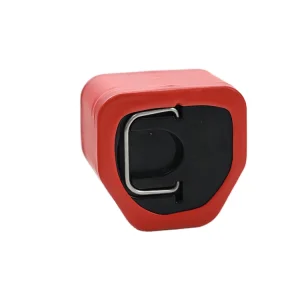
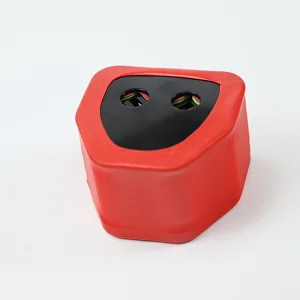
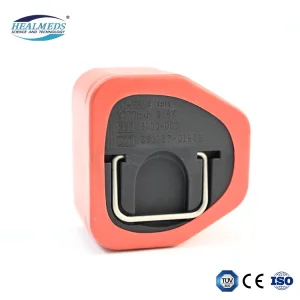
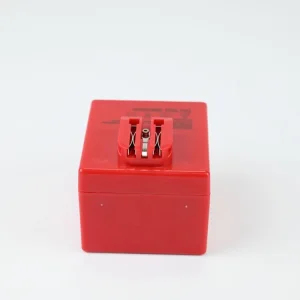
As the primary maritime gateway of South Korea and a key global shipping port, Busan is undergoing a structural transition toward clean electrification. The Metropolitan Government has launched various green port initiatives and high-tech biomedical clusters. These shifts have dramatically elevated the local demand for specialized battery power storage assemblies, heavy-duty industrial cells, and medical-grade rechargeable powerpacks.
Busan's clinical landscape—headlined by major research hospitals such as Pusan National University Hospital, Dong-A University Hospital, and Inje University Paik Hospital—relies extensively on precision medical instruments. In surgical orthopedics, neurosurgery, and spine decompression operations, cordless power tools are indispensable. Delivering continuous, sterilization-resistant power to these tools requires custom battery architectures designed for extreme thermal cycles and chemical sterilization procedures.
Concurrently, the industrial zones surrounding the Busan-Jinhae Free Economic Zone (BJFEZ) demand robust energy solutions for AGVs (Automated Guided Vehicles), industrial automation, and backup power setups. Global standards govern these supplies to ensure absolute safety, zero-tolerance reliability, and extensive cycle life.
The global battery industry is rapidly shifting away from legacy Nickel-Cadmium (NiCd) chemistries toward high-energy-density Lithium-Ion (Li-ion), Lithium Iron Phosphate (LiFePO4), and next-generation Solid-State cells. In the medical equipment sector, these advancements enable lighter handpieces, faster charging, and flatter discharge curves, providing surgeons with consistent power from the first incision to closure.
A critical engineering hurdle in medical grade batteries is autoclave sterilization. Standard commercial Lithium-Ion cells degrade when exposed to the high temperatures (typically 134°C) and pressurized steam of typical autoclave cycles. Leading manufacturers bypass this limitation by employing advanced polymer housings, glass-to-metal hermetic seals, and high-temp-resistant Battery Management Systems (BMS).
Our production pipelines adhere to the absolute highest clinical and industrial standards, verifying our status as a trusted Tier-1 supplier to the global and Busan markets.
Autoclaving presents one of the most hostile environments for rechargeable lithium batteries. Standard cells deteriorate when internal temperatures surpass 60°C. To maintain structural integrity at 134°C, autoclavable medical battery packs feature advanced thermal engineering:
"Autoclave protection is achieved through advanced thermal insulation barriers combined with a hermetically sealed chamber, shielding the core electrochemical cells from immediate heat conduction during sterilization cycles."
Furthermore, internal BMS boards must utilize high-temperature components rated for continuous exposure to extreme heat. Our medical batteries compatible with Stryker System 5, System 6, and System 7 surgical tools undergo intensive qualification testing to survive hundreds of sterilization cycles without exhibiting voltage drops or rapid capacity decay.
In high-throughput operating rooms across Busan, orthopedic surgeries require drills that run reliably under high load. When a drill jams or slows down due to poor voltage regulation from an inferior battery pack, the risk of surgical complications increases.
By implementing cell balancing and low internal resistance configurations, our replacement batteries match or exceed the performance of OEM Stryker models. Surgeons experience steady torque delivery during complex osteotomies. Additionally, our batteries are built with raw materials sourced from audited, traceable suppliers, satisfying strict regulatory frameworks enforced by South Korea's Ministry of Food and Drug Safety (MFDS).
Our manufacturing and assembly plant is fully optimized for precision engineering, quality management, and international trade compliance.
 ISO13485 (UKZB24MD30120R0S)
 CE Mark (HD 60142131 0001)
CE Mark (G1 104715 0002 Rev. 01)
CE Mark (HD 60142131 0001)
CE Mark (G1 104715 0002 Rev. 01)
A visual walk-through of our cleanrooms, precision assembly machinery, and testing zones. We maintain complete transparency across our production steps.
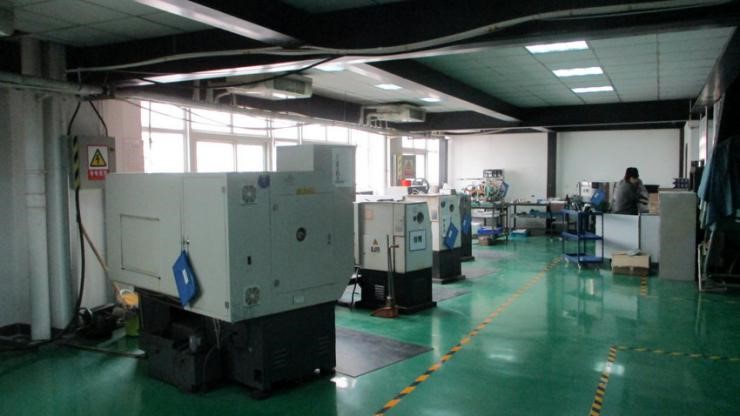
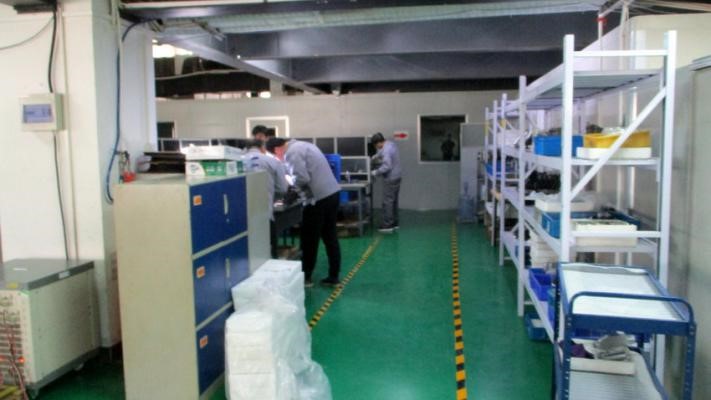
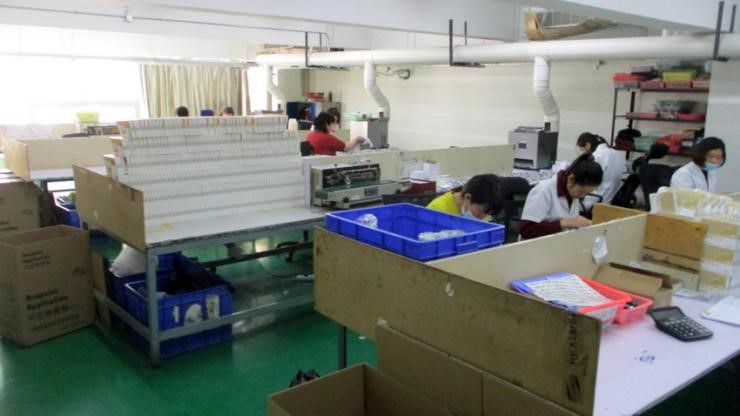
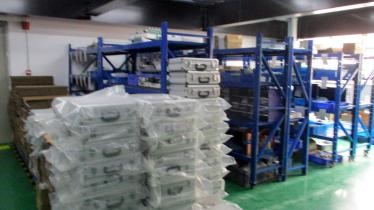
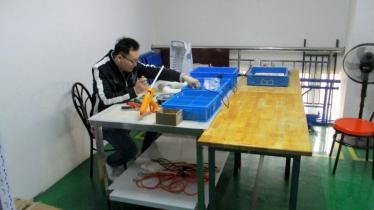
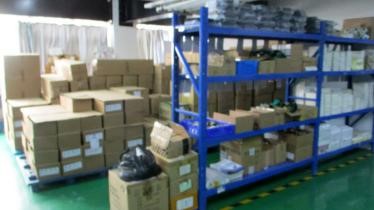
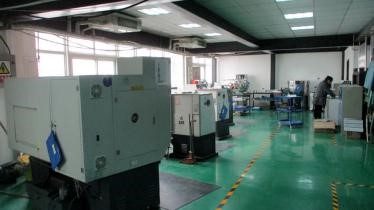
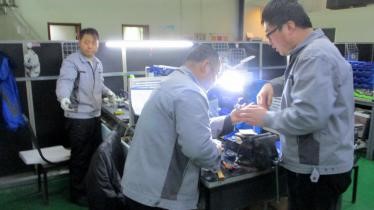
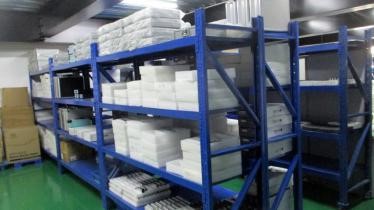
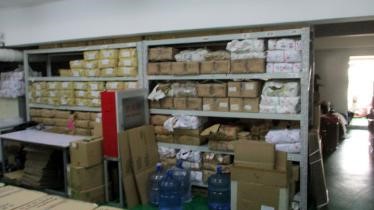
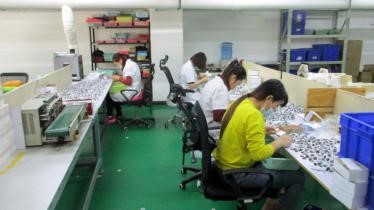
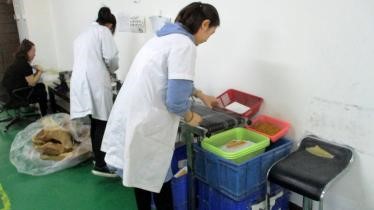
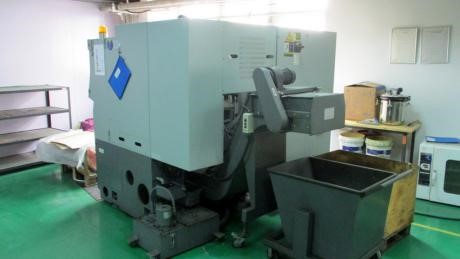
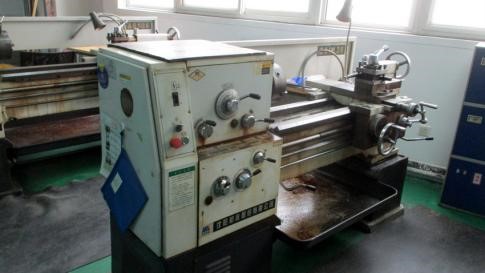
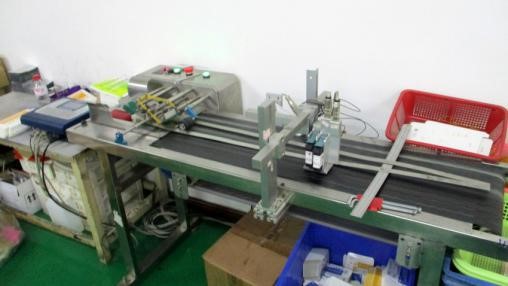
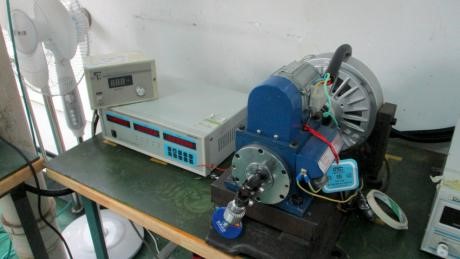
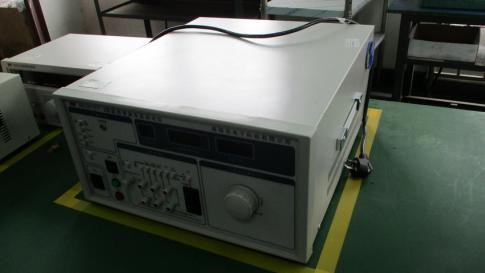
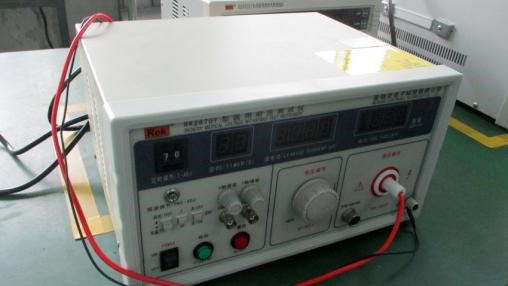
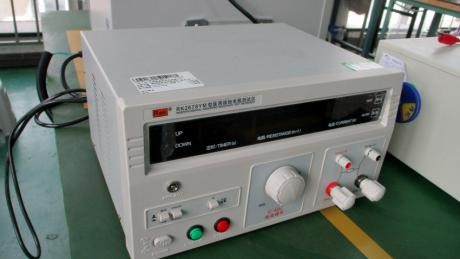
Ensure medical drill components operating in the Busan market achieve uninterrupted runtime with our certified batteries and compatible surgical accessories.
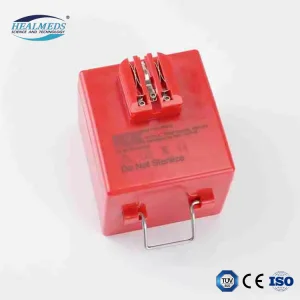
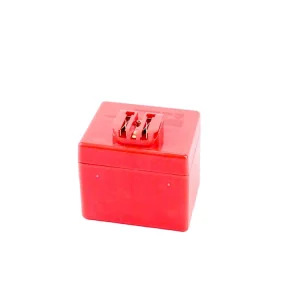
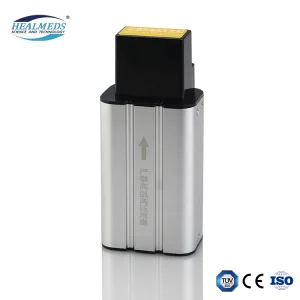
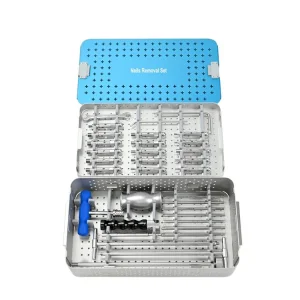
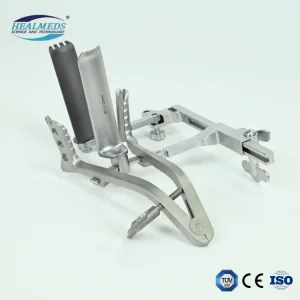
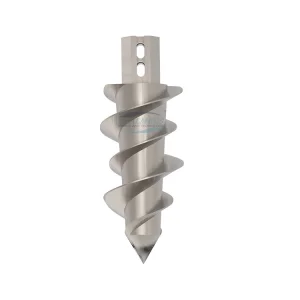
Complete surgical instrumentation and implant hardware supporting clinical procedures alongside our battery systems.
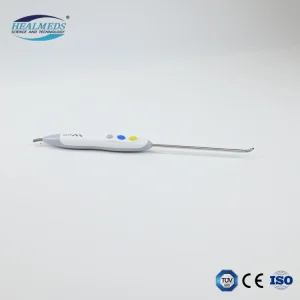
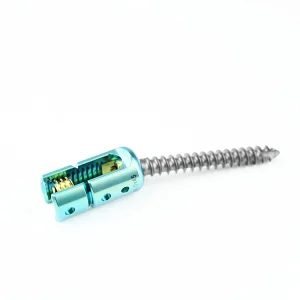
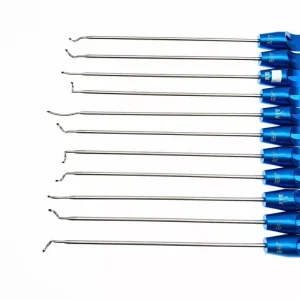
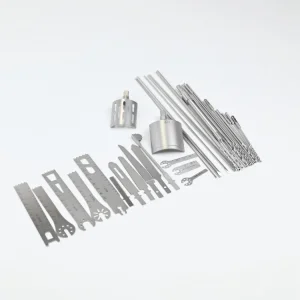
For industrial operators in Sasang-gu, Gangseo-gu, and neighboring regional logistics centers in Busan, raw uptime dictates operational profitability. Battery packs utilized in electric forklifts, reach trucks, and heavy-duty industrial automation platforms require rugged cell configurations and failure-preventing protection circuits.
We supply custom lithium battery assemblies optimized for high-discharge environments, maintaining efficient operation across extreme temperature drops encountered in cold-storage warehouses near the Port of Busan. By utilizing premium LiFePO4 cells, our industrial battery systems deliver over 3,000 charge-discharge cycles at 80% Depth of Discharge (DoD), drastically reducing total cost of ownership compared to legacy lead-acid equivalents.
Shipping high-capacity lithium batteries requires strict compliance with international maritime hazardous material transport protocols. As an established exporter with 21 years of experience, we manage compliance requirements including UN38.3 transport testing, MSDS documentation, and IMDG shipping declarations.
Our proximity to major global logistics lanes enables streamlined ocean freight delivery directly to the Port of Busan. We work closely with local medical device distributors and industrial supply houses throughout South Korea to ensure continuous stock availability, prompt customs clearance, and dedicated technical support.
Key technical answers regarding surgical power tool batteries, autoclave compatibility, compliance certifications, and ordering for the Busan market.
Our autoclavable battery packs are engineered with high-temperature polymer housings and hermetically sealed internal chambers. This design prevents moisture ingress during high-pressure steam sterilization (134°C). The internal Battery Management System (BMS) incorporates components rated for high temperatures to prevent circuit failures after multiple autoclave runs.
Yes. Our replacement batteries are precision engineered to match the mechanical slide-lock fittings, electrical contact geometries, and power requirements of Stryker System 5, 6, and 7 handpieces. They deliver identical voltage curves and current limits, ensuring the drill operates at full design torque without risk of thermal overload.
Our production facilities are certified to ISO13485 (UKZB24MD30120R0S) for medical device quality management. In addition, our products hold CE marks (Certificates HD 60142131 0001 & G1 104715 0002 Rev. 01). We perform 100% in-line electrical testing and physical inspection on all production runs.
For standard models (such as Stryker compatible batteries), we maintain inventory for prompt shipping. Customized battery packs or high-volume industrial orders typically require a 4-to-6 week manufacturing lead time. Standard maritime transit times to the Port of Busan vary by origin, but our export department handles all UN38.3 shipping protocols to ensure rapid clearance.
Yes, we offer custom battery pack assembly based on specific voltage, capacity, and dimensional requirements. Our team of 3 graduate-level R&D engineers can design custom smart BMS solutions, select optimal cell chemistries (Li-ion, LiFePO4, NiMH), and create prototype designs to fit proprietary enclosures.