Health Chi-Tech
Health Chi-Tech
Health Chi-Tech
Discover our certified, high-precision orthopedic and endoscopic instruments designed to elevate surgical efficacy and patient safety.
A robust facility infrastructure with two decades of engineering history, focused on the manufacture of specialized orthopedic and endoscopic instruments.


A Technical Whitepaper on Minimally Invasive Surgery (MIS) Hardware Dynamics and Supply Chain Capabilities
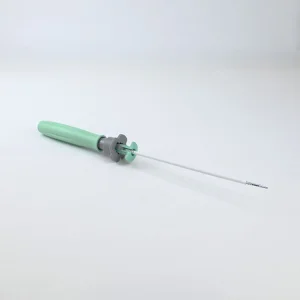
Modern surgical suites are moving away from open surgeries in favor of minimally invasive options. Endoscopic spinal systems, arthroscopic shaver blades, and optical light guides allow surgeons to work through smaller incisions. This reduces tissue damage and shortens patient recovery times.
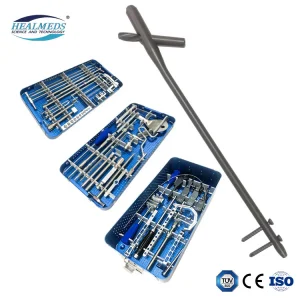
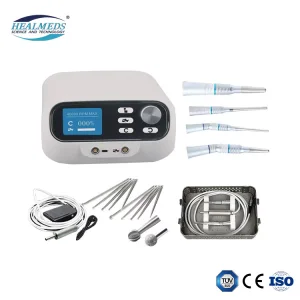
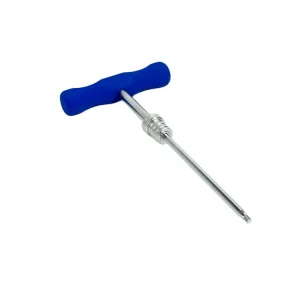
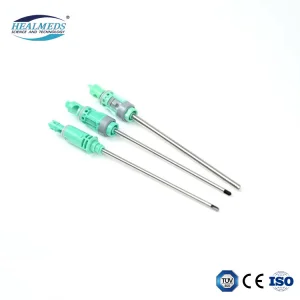
Managing dynamic loads in these procedures requires high-precision manufacturing. Advanced tools like the UBE Spinal Instrument Set or Micro Electric Spine Drills need to maintain rotational accuracy and handle high heat. As a result, factories must use medical-grade materials, such as ASTM F136 titanium alloy, PEEK (Polyetheretherketone), and martensitic stainless steel (e.g., 420 or 440 series).
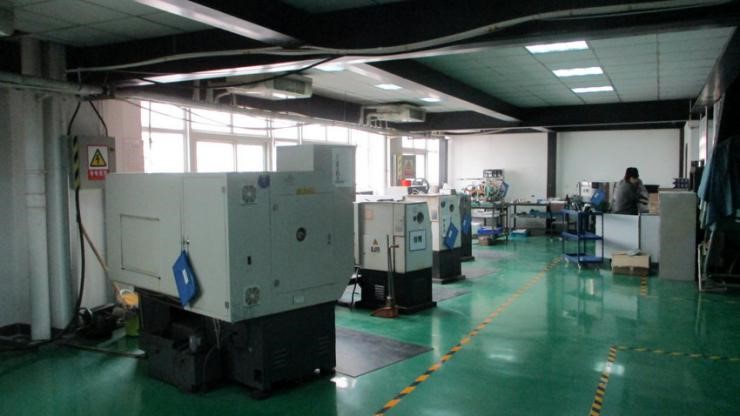
China's industrial clusters for medical devices, particularly in Jiangsu and Zhejiang, offer strong supply chain benefits. By grouping raw material providers, CNC centers, surface passivation labs, and sterilizing packaging facilities in one hub, production speeds are greatly increased.
Key advantages of this cluster approach include:
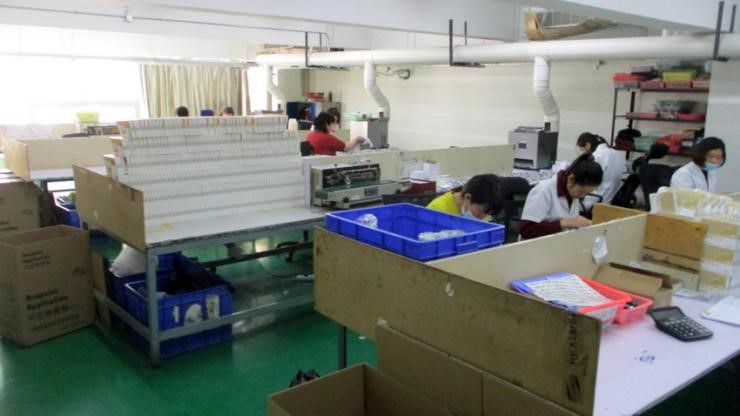
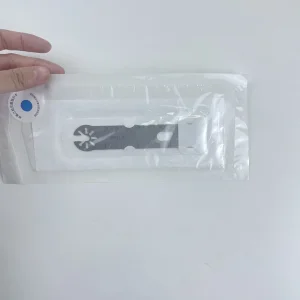
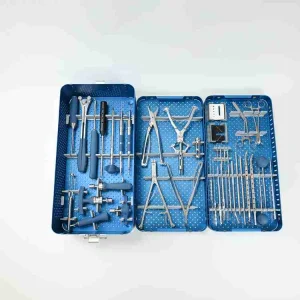
Surgical demands vary across different clinical settings. General hospitals require standardized orthopedic kits that can handle frequent autoclave cycles. Private surgery centers, on the other hand, look for specialized, single-use tools, such as disposable arthroscopy blades, to minimize contamination risks and cut reprocessing costs.
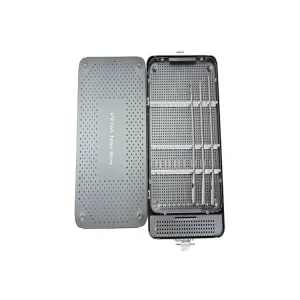
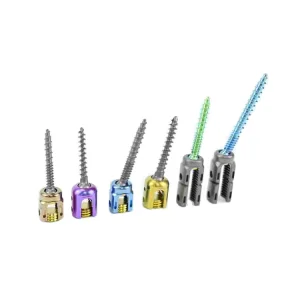
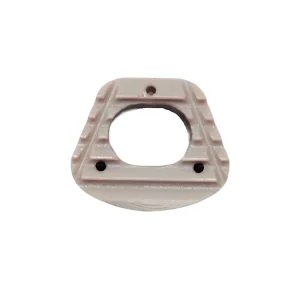
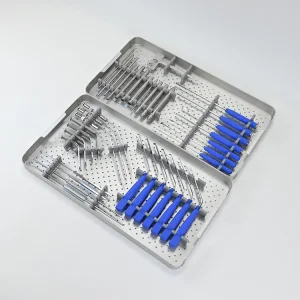
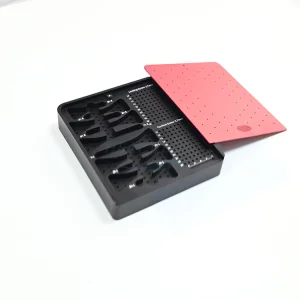
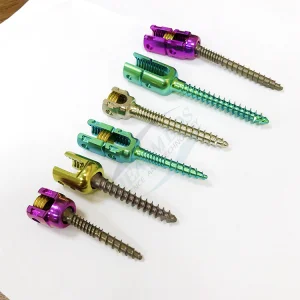
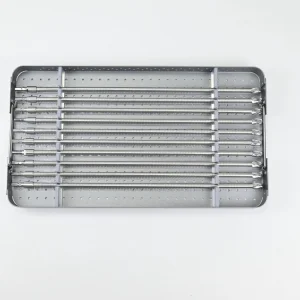
Our instruments are designed for these varied environments. We manufacture high-strength titanium implants (like PFNA nails and transpedicular screws) to provide reliable bone fixation under high stress. Meanwhile, our autoclaving systems and sterilization trays are built to resist corrosion and structural wear during harsh sterilization cycles.
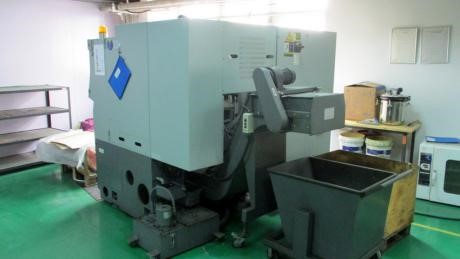
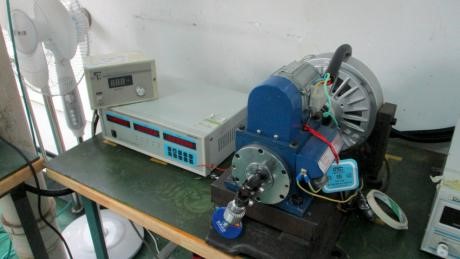
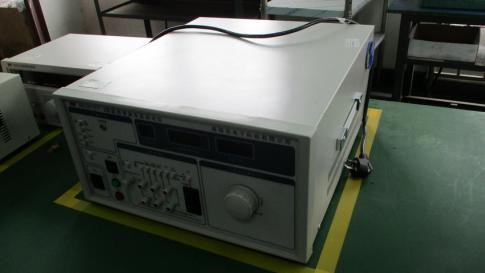
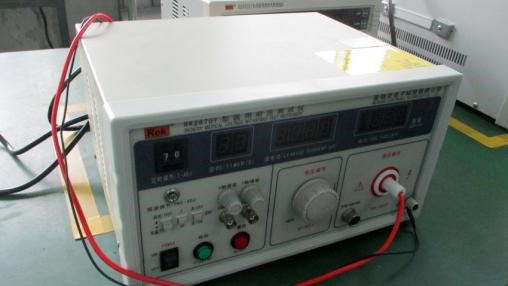
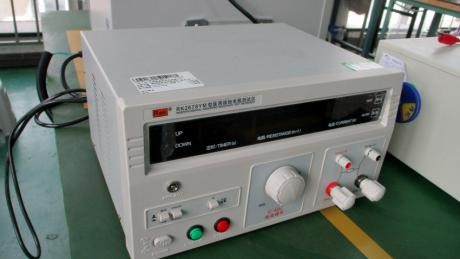
A step-by-step look at our ISO 13485 certified manufacturing plant, highlighting raw material handling, machining, testing, and shipping prep.
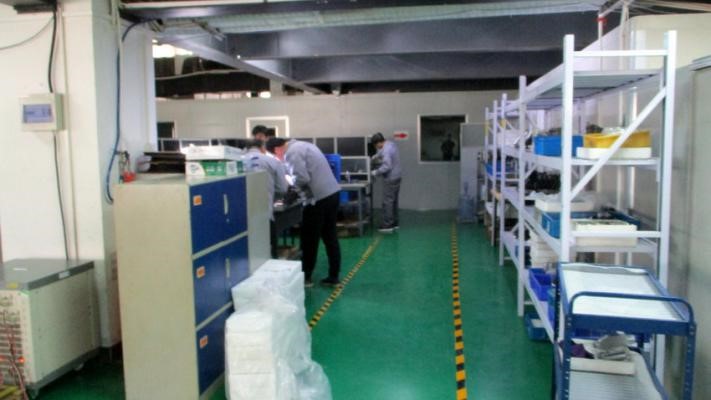
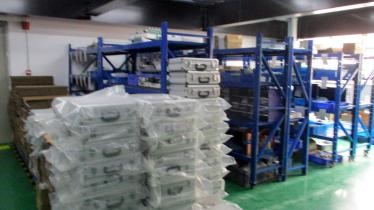
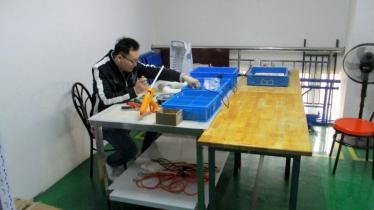

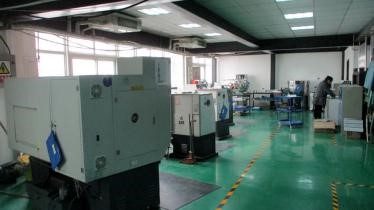
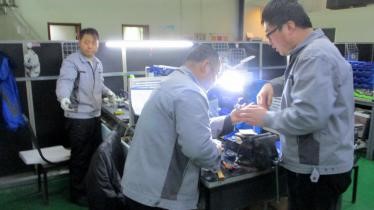


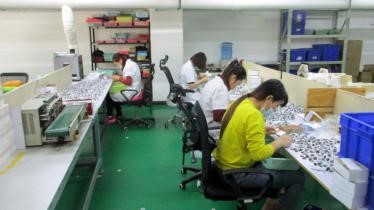
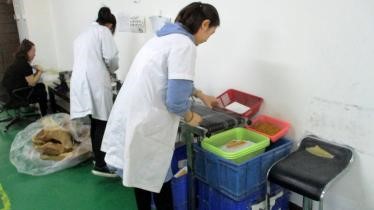
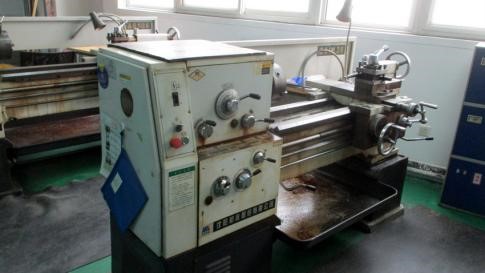
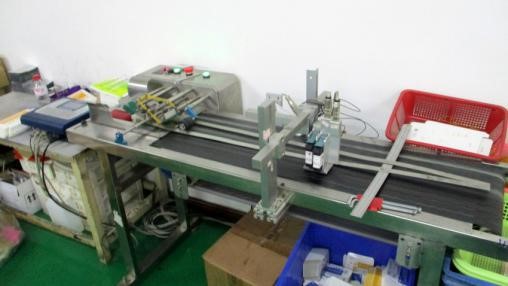
Essential answers regarding manufacturing standards, supply chain compliance, and technical specifications for surgical distributors.
We manufacture implants like the PFNA Intramedullary Nail and Volar Distal Radius Locking Plates using titanium alloys (primarily ASTM F136 Ti-6Al-4V ELI) and PEEK. These materials are chosen for their high biocompatibility, corrosion resistance, and structural strength, ensuring they perform reliably under physiological stress.
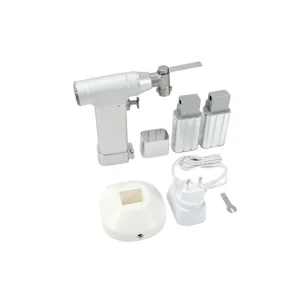
Our micro-electric spine drills and high-speed osteotomy hand tools go through strict testing. This includes dynamic balance checks, noise evaluation, thermal performance tests, and continuous running assessments. These procedures help prevent issues like surgical site overheating and drill runout.
Yes, we provide full customization options. This includes modifying instrument sets like the UBE Spinal Kit, custom laser marking, and designing sterilization containers tailored to specific surgical practices.
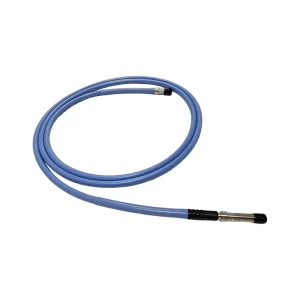
Our 4mm Endoscope Fiber Optic Cables are built using high-purity medical quartz fiber and heat-resistant silicone jackets. Both the cables and our aluminum sterilization boxes are rated to withstand standard autoclave sterilization processes (134°C for 4 to 18 minutes) without degradation.
We maintain trace records for all raw materials. From the initial steel or titanium batch down to the finished item, each product is marked with unique lot and batch numbers. This ensures complete traceability through every phase of machining, surface treatment, and shipping.
Precision-engineered medical gear designed for spine surgery, trauma fixation, and arthroscopic procedures.