Health Chi-Tech
Health Chi-Tech
Health Chi-Tech
High-performance instrumentation engineered to deliver superior rotational dynamics, torque transmission, and anatomical safety.

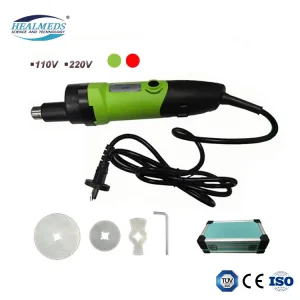
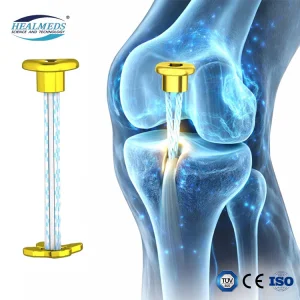
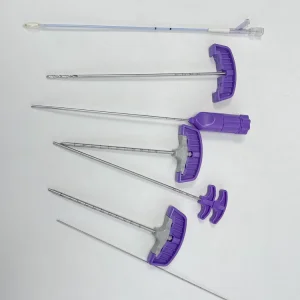
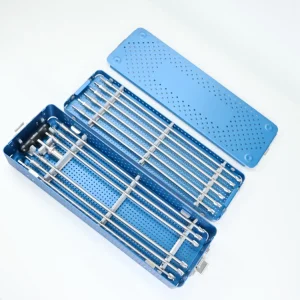
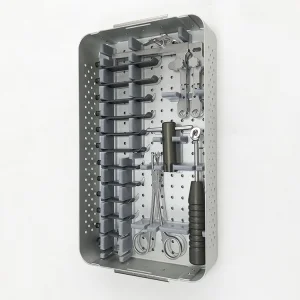
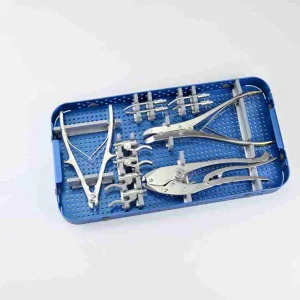
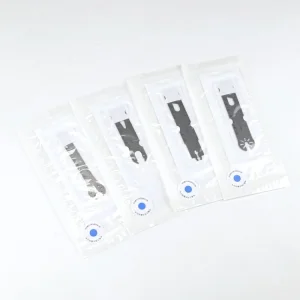
In modern orthopedic trauma surgery, intramedullary (IM) nailing represents the gold standard treatment for long-bone diaphyseal fractures. Crucial to this procedure is the process of intramedullary reaming. Using high-precision flexible reamers to expand the medullary canal allows for the insertion of larger-diameter IM nails, significantly enhancing mechanical stability, improving construct load distribution, and accelerating bone union.
Medical-grade flexible shafts are typically constructed using two distinct technological methods:
The global market for orthopedic surgical instruments is undergoing rapid evolution. Key drivers include a growing geriatric population prone to fragility fractures, rising traffic accidents in emerging economies, and the rising demand for minimally invasive surgical (MIS) systems.
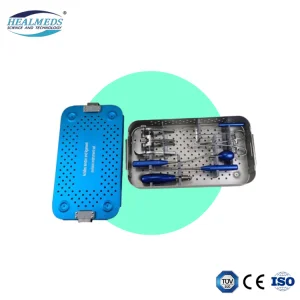
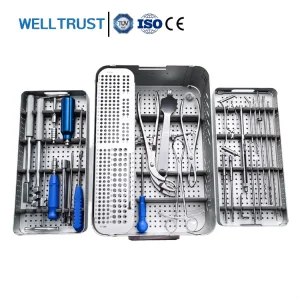
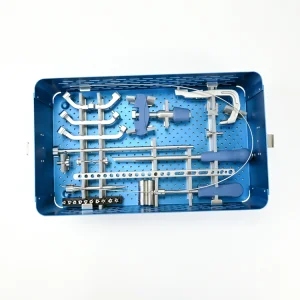
From a commercial standpoint, hospital procurement teams look beyond unit prices. They evaluate Total Cost of Ownership (TCO), sterilization cycles, fatigue life, and compliance with updated regulatory frameworks like the European Medical Device Regulation (EU MDR) and US FDA clearances. Leading OEM/ODM manufacturers now provide comprehensive instrument tray sets alongside flexible reamers. These kits are systematically configured to align with standard surgery protocols, reducing operating room setup times and increasing procedure reliability.
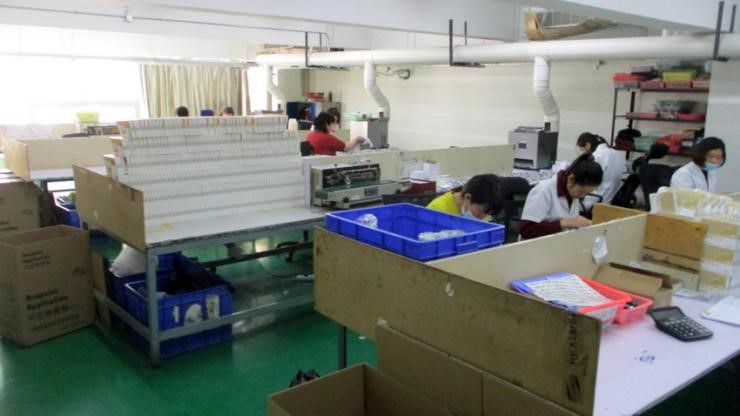
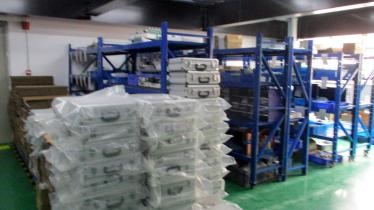
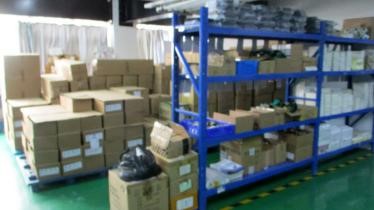
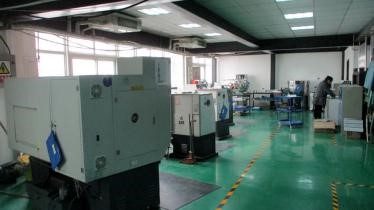
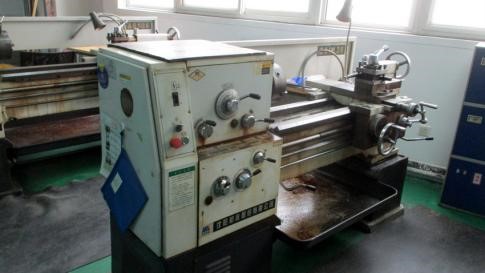
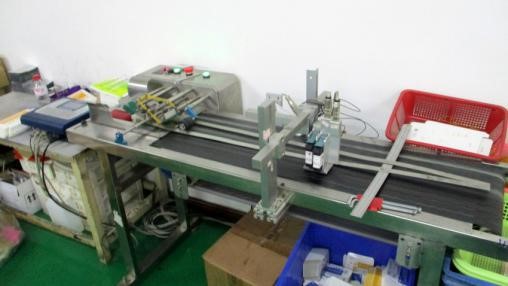
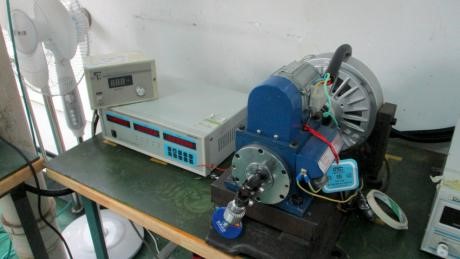
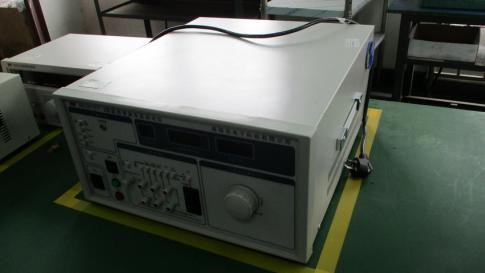
Underpinning our manufacturing excellence with rigorous QA/QC processes, state-of-the-art machinery, and certified regulatory compliance.
| Operational Parameter | Specification & Capability Details |
|---|---|
| Establishment & Industry Longevity | Registered on 2005-01-14 (Over 21 years of surgical grade manufacturing and export experience). |
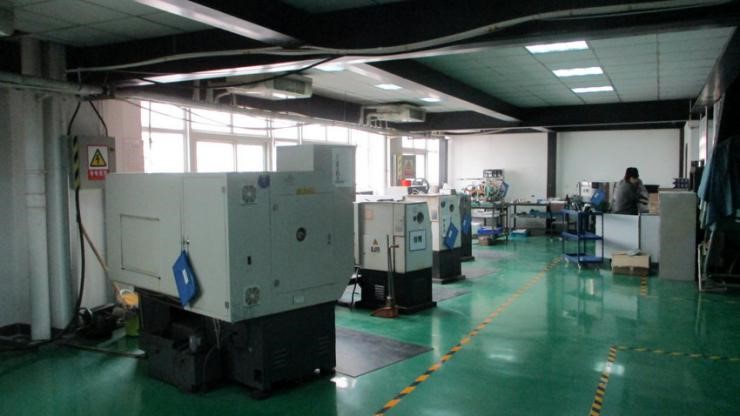
| Facility Floor Space | 1,036 m² dedicated cleanrooms, machining, and inspection environments. |
| Production Infrastructure | 4 dedicated orthopedic production lines powered by 8 state-of-the-art multi-axis CNC machines. |
| Customization Options | Light customization, sample processing, graphic design, and custom-engineered dimensions on demand. |
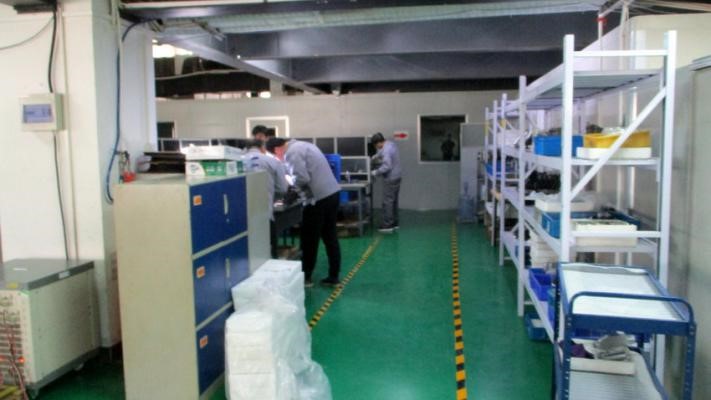
| Quality Control Protocol | 100% product inspection conducted across all lines; full raw material traceability from medical-grade ingot to finished reamer. |
| R&D Strength | 3 full-time graduate R&D engineers; 10 new high-performance surgical instruments launched annually. |
| Primary Target Markets | North America (20%), South America (18%), Domestic Market (15%), with 45 active global supply chain partners. |


When clinical buyers or medical device brands select an OEM/ODM manufacturing partner for flexible reamers, they must audit several critical operational dimensions to satisfy E-E-A-T principles:
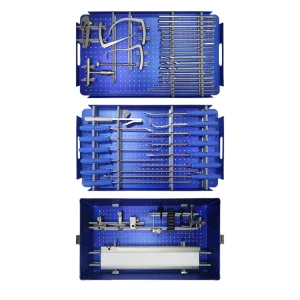
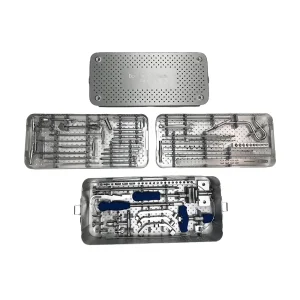
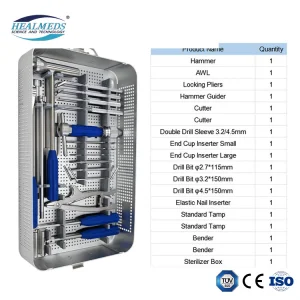
High-resolution structural, anatomical, and production documentation of our advanced orthopedic surgical systems.

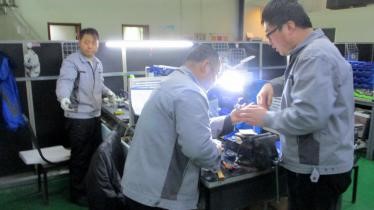
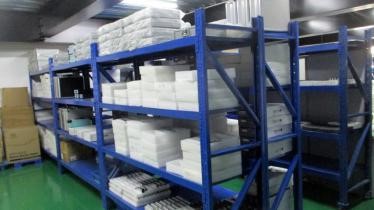

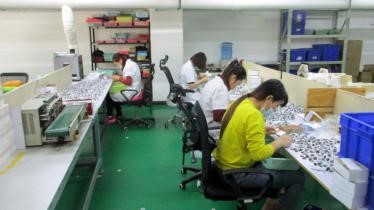

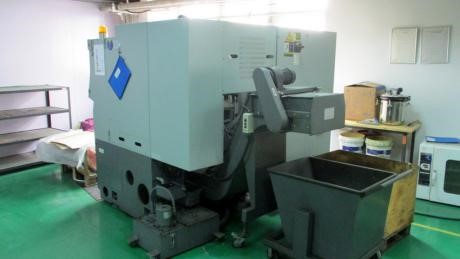
The regulatory landscape for medical devices varies significantly by geographic region. When deploying flexible reamers in global markets, manufacturers must customize compliance profiles for local regulatory authorities:
Clinical Application Diversity: Flexible reamers must meet specific surgical requirements. For instance, pediatric orthopedic surgeries demand small-diameter shafts (4.5 mm to 6.5 mm) with lower torque profiles. Conversely, adult revision hip arthroplasty requires robust shafts (up to 18.0 mm) capable of handling higher torsional loads and effectively clearing bone cement residue.
The future of flexible reamer manufacturing centers on smart systems, advanced materials, and integration with digital health ecosystems:
Highly durable orthopedic hardware and trauma fixation kits engineered for operating room safety and long-term clinical stability.