Health Chi-Tech
Health Chi-Tech
Health Chi-Tech
Explore our selection of sports medicine, trauma, and joint reconstruction instruments manufactured to the highest clinical standards.


Analyzing key macroeconomic and technical forces driving modern orthopedic instrument manufacturing.
The global demand for orthopedic instrument sets is undergoing a structural transition. Medical device OEMs are shifting towards specialized ODM suppliers capable of managing everything from design history files (DHF) to finished medical-grade sterilizing containers. Rising geriatric populations and an increase in joint arthroplasty, trauma repairs, and minimally invasive sports medicine surgeries have created a surge in requirements for tailored orthopedic sets globally.
Regulatory pathways (specifically FDA 510(k), EU MDR 2017/745, and ISO 13485:2016 certifications) represent the baseline for global market access. Modern manufacturing must ensure comprehensive validation of cleaning, sterilization, and biocompatibility protocols. Our facilities leverage established documentation structures, ensuring seamless integration into our clients' regulatory filings and hospital procurement processes.
Surgical techniques dictate instrument ergonomics. North American markets favor highly standardized, custom-fitted disposable components and power tools, whereas European markets prioritize robust, reusable, autoclave-compatible stainless steel sets designed for longevity. In developing markets, the preference leans toward highly versatile, multi-functional modular systems that optimize shelf space and capital expenditure.
Next-generation advancements in orthopedic instruments, from robotic guidance to custom materials.
Precision orthopedic procedures rely on advanced materials that reduce user fatigue and maximize tactile feedback. We utilize high-strength titanium alloys (Ti6Al4V), hardened stainless steel (such as 17-4 PH and 420), and biocompatible polymers like PEEK and Radel®. Advanced surface treatment technologies, including type II/III anodization, physical vapor deposition (PVD) coatings, and electropolishing, are employed to provide excellent wear resistance, reflection-free surfaces, and enhanced corrosion defense through autoclave sterilization cycles.
As robotic-assisted orthopedic surgery expands, instrument designs must keep pace. Our R&D division coordinates with navigation technology developers to design instruments featuring passive tracking markers and integration geometry. Future portfolios include integrated micro-sensors that provide real-time mechanical feedback, verifying depth, angle, and torque requirements directly within target bone regions.
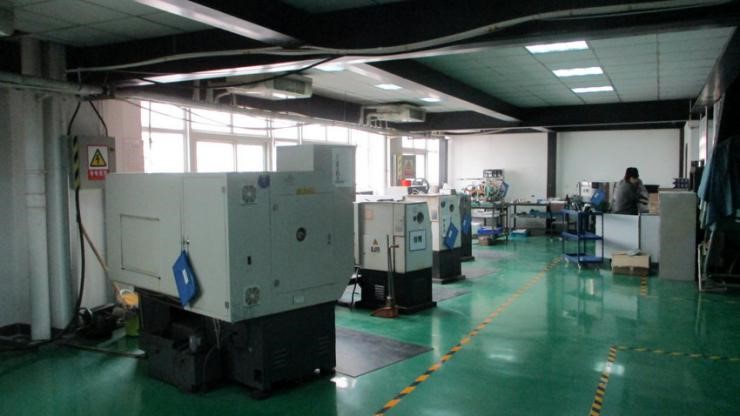
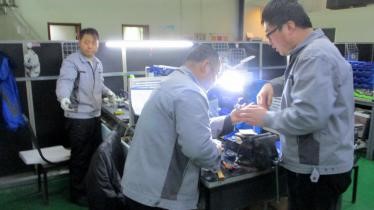
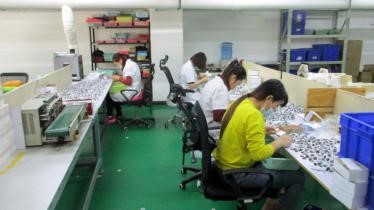
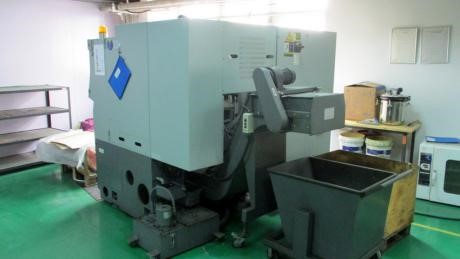
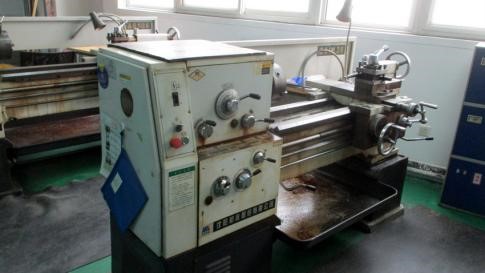
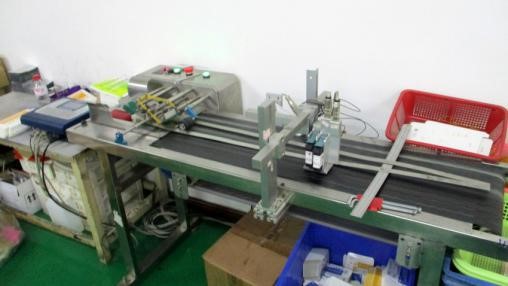
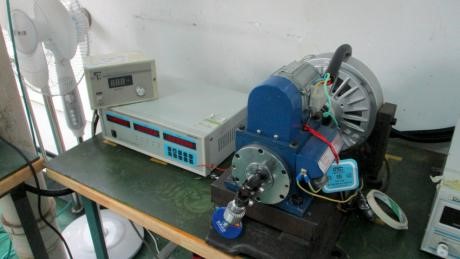
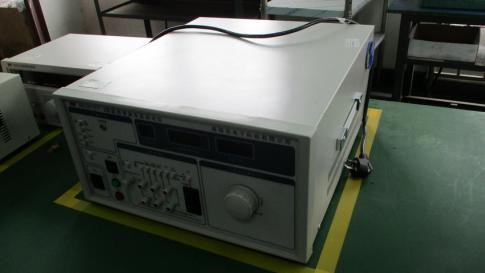
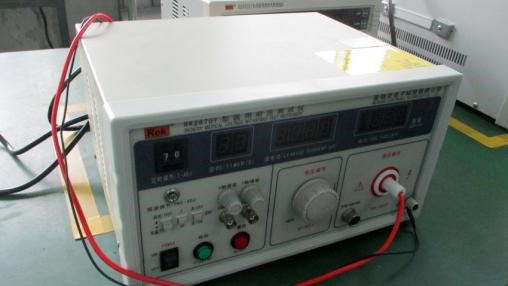
A closer look at our medical-grade manufacturing setups, high-precision tooling, and quality assurance processes.
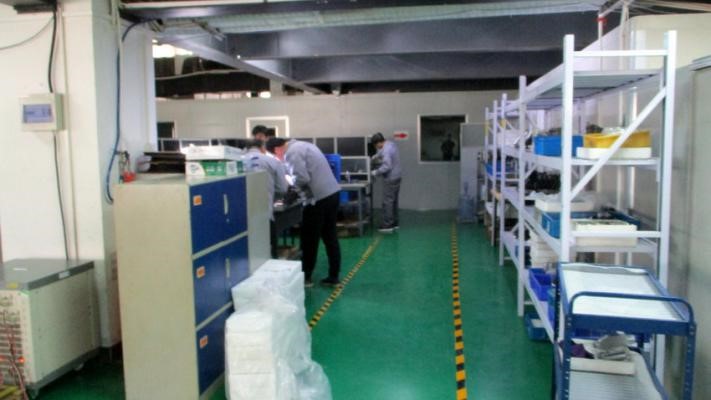
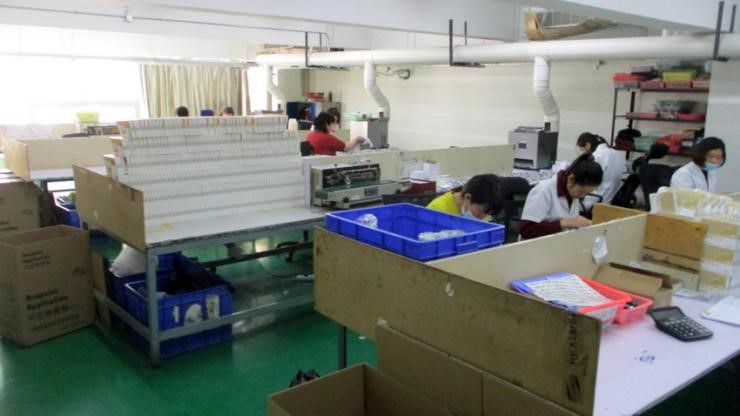
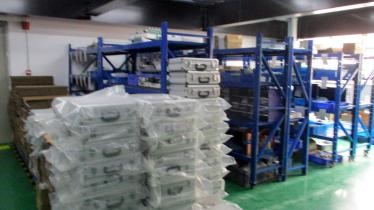


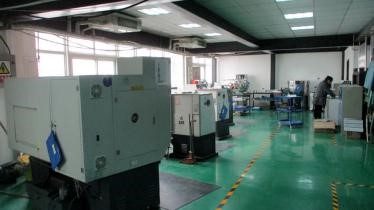



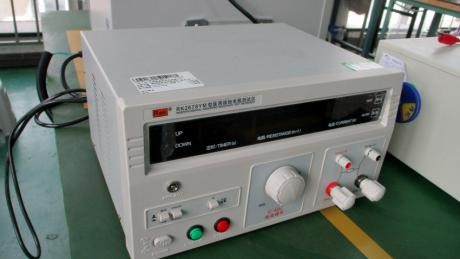
Comprehensive kit structures for specific anatomical and clinical applications.
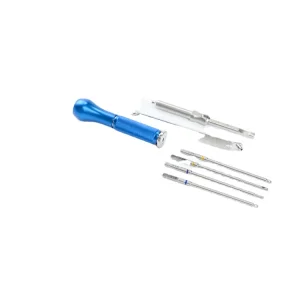
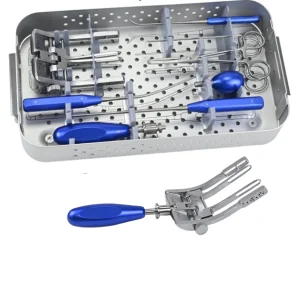
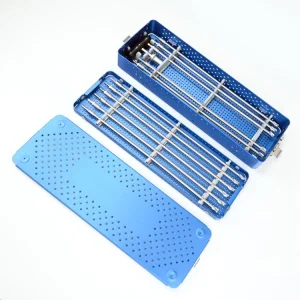
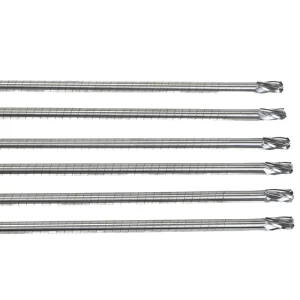
Designed for bone stabilization, fixation, and revision operations. Includes custom modular screw caddies, precision drilling sleeves, depth gauges, and flexible reamer systems that allow surgical teams to address complex diaphyseal fractures. High corrosion resistance ensures stability across consecutive autoclave cycles.
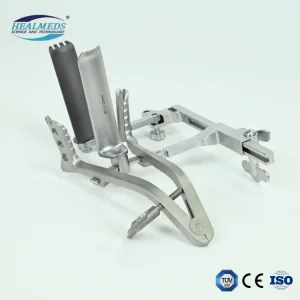
Engineered for high-stress spinal fusion, decompression, and microdiscectomy. Features customized pedicle screw systems, osteotomes, nerve retractors, and customizable trial implants. Each tool is micro-machined to tight tolerances to verify placement accuracy and maximize safety near sensitive neural pathways.
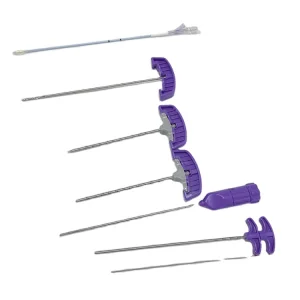
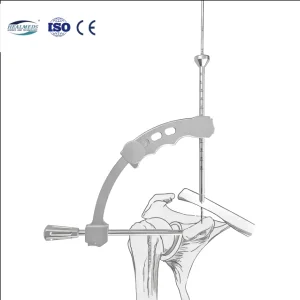
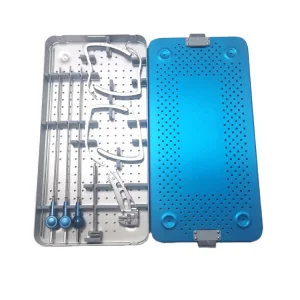
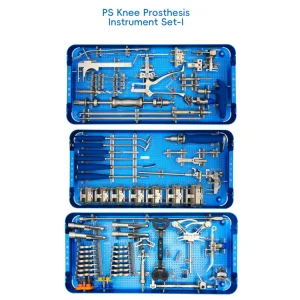
Specialized targeting aids, cannulated drill systems, tendon revision tools, and joint replacement sizing systems. Designed to facilitate minimally invasive arthroscopic surgeries and precise tibial and femoral bone cuts during total knee reconstructions.
In-depth responses to regulatory, engineering, and logistics questions from OEM/ODM partners.
1. What materials are standard for orthopedic instrument sets, and how is biocompatibility ensured?
We primarily utilize surgical-grade materials including Ti6Al4V (Grade 5 Titanium), 17-4 PH, SUS 316L, SUS 420 stainless steels, and performance polymers like PEEK and Radel® PPSU. Material mill test reports (MTR) are collected for all incoming metals. Passive surface passivation and electropolishing are conducted to establish an oxide layer, preventing corrosion and ensuring biocompatibility.
2. How do you support the OEM/ODM product registration and regulatory validation processes?
We offer customized technical documentation packages to support regulatory filings. This includes full material traceability logs, dimensional inspection reports, and surface treatment certificates. Our ISO 13485:2016 and CE certifications verify that our production and quality control protocols align with global standards.
3. What customization options are supported for design prototypes and production runs?
We support multiple levels of customization: light branding, graphic laser marking, sample-based reverse engineering, CAD processing, and full-cycle product development. Our engineering team assists from initial 3D modeling through pilot runs to production.
4. What is the typical lead time for custom surgical instrument prototype tooling?
Prototype turnaround times depend on geometry and complexity. Initial functional prototypes are typically delivered in 4 to 6 weeks, which includes toolpath programming, CNC milling/turning, surface finish application, and primary dimensional inspections.
5. What quality inspection protocols do you apply to orthopedic components?
We apply a 100% inspection process for critical dimensional interfaces. Quality verification tools include coordinate measuring machines (CMM), optical comparators, digital profile projectors, hardness testers, and roughness meters. Functional testing simulates sterilization cycles to verify long-term reliability.
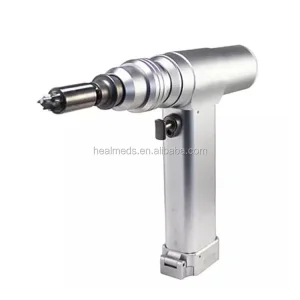
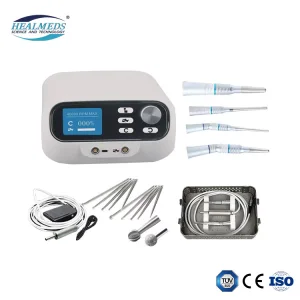
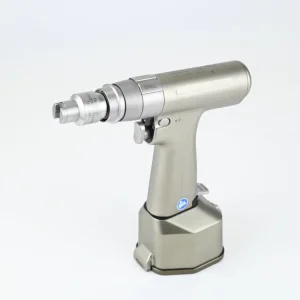
Explore our high-performance power tool arrays, spinal reconstruction kits, and specialized craniotomy drills.