Health Chi-Tech
Health Chi-Tech
Health Chi-Tech
Providing Precision-Engineered Orthopedic Instrumentation, Spinal Systems, and Advanced Arthroscopic Surgical Solutions Globally.
 ISO13485 Approved
 CE Certified (HD 60142131)
CE Certified (G1 104715)
CE Certified (HD 60142131)
CE Certified (G1 104715)
High-grade clinical devices manufactured to rigorous global orthopaedic and medical standards.
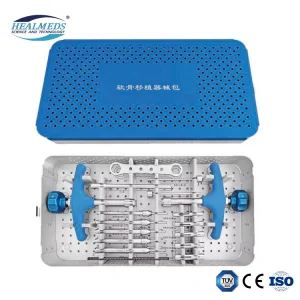
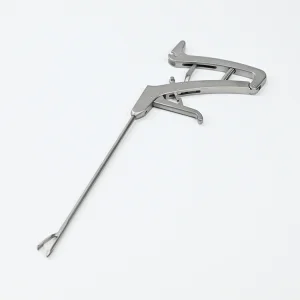
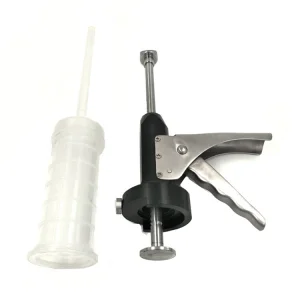
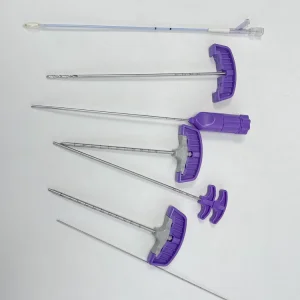
The global medical technology arena is undergoing a profound paradigm shift driven by the fusion of high-definition intraoperative medical imaging and ultra-precise orthopedic implantation systems. The modern operating theater no longer separates diagnostics from treatment; instead, real-time image-guided interventions have become the baseline standard for surgical excellence. As leading OEM/ODM medical device and surgical hardware exporters, we stand at the critical intersection of clinical imaging requirements and physical biomechanical execution.
Across major medical device markets—ranging from highly regulated environments in North America and Western Europe to rapid-growth sectors in South America and the Asia-Pacific—hospitals and ambulatory surgical centers (ASCs) are reporting an exponential surge in demand for specialized implant systems. Spinal stabilization procedures, arthroscopic joint repairs, and complex maxillofacial reconstructions require high-accuracy instrument kits that work in perfect alignment with C-arm fluoroscopy, intraoperative CT, and digital radiography systems.
Surgical trays, screws, and retractors are engineered with precise alloy profiles to minimize radiographic artifacts under real-time imaging.
Engineered for seamless manual rotation, tactile feedback, and high-frequency power tools compatibility across diverse surgical protocols.
Utilizing high-purity medical grade Ti-6Al-4V titanium alloy and unfilled Polyetheretherketone (PEEK) for long-term physiological stability.
Furthermore, emerging macroeconomic tailwinds such as aging global demographics, increasing sports injury incidence, and expanding veterinary orthopedic infrastructure are placing severe logistical pressure on healthcare supply chains. Raw material procurement, micro-tolerance CNC machining, chemical passivation, and mechanical verification must be executed inside a single, tightly controlled regulatory ecosystem to guarantee absolute safety and device efficacy.
Proven capability in precision machining, custom design, and global logistics fulfillment.
The manufacturing roadmap of class-II and class-III orthopedic medical devices relies heavily on physical material characteristics and micro-tolerances. Each device—whether a mini maxillofacial reconstruction plate or an interbody fusion PEEK cage—must satisfy exact structural stress criteria while maintaining biological passivity.
Titanium Alloys (Ti-6Al-4V ELI): Our spinal pedicle screws and maxillofacial plate systems are manufactured using Grade 23 (Extra Low Interstitials) titanium. This specific formulation provides superior fatigue strength, corrosion resistance, and a lower elastic modulus than stainless steel, reducing the effects of stress shielding in bone graft environments.
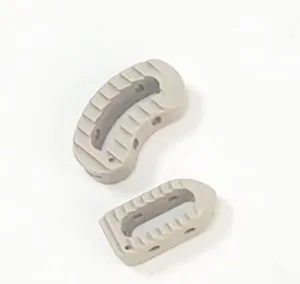
PEEK (Polyetheretherketone): For lumbar interbody fusion cages (PLIF/TLIF), medical-grade PEEK mimics the modulus of human cortical bone, facilitating radiographic assessment of the fusion zone due to its inherent radiolucency.
Our multi-axis machining facilities enable complex geometric features to be manufactured in a single operation, keeping dimensional tolerances within the ±5 micron range. Surface finishing plays an equally critical role: chemical passivation removes free iron particles to prevent localized oxidation, and bead blasting or acid etching provides optimal surface roughness to promote rapid osseointegration.
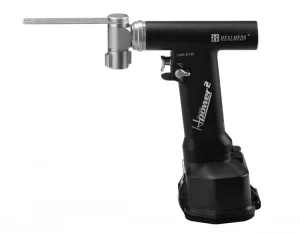
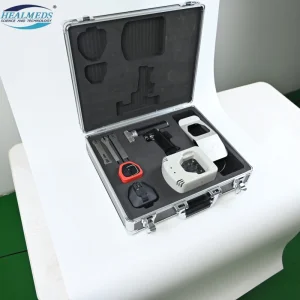
Every brushless-motor sagittal saw, veterinary bone drill, and arthroscopic suture grasper undergoes rigorous verification under coordinate measuring machines (CMM) and visual inspection systems to ensure operational stability at speeds up to 15,000 RPM.
Verified capabilities in customized design, regulatory validation, and raw material traceability.
| Technical Variable | Factory Specification Detail |
|---|---|
| Company Registration Date | 2005-01-14 (21 Years of Continuous Industry R&D and Production) |
| Quality Management Standards | ISO13485 (UKZB24MD30120R0S) / CE (HD 60142131 0001 & G1 104715 0002 Rev. 01) |
| Customization Methods | Full OEM/ODM, light customization, sample processing, graphic CAD/CAM file processing, customized on demand |
| Production Assets & Lines | 4 Dedicated active medical assembly lines supported by 8 precision digital manufacturing stations |
| Traceability of Raw Materials | Complete upstream batch control, chemical certification tracking, and post-machining passivation logs |
| Quality Control & Inspection | 100% inspection across all lines conducted by 2 dedicated, certified QA/QC inspectors |
| R&D Engineering Department | 3 R&D engineers holding postgraduate credentials with focus on biomedical engineering and custom tooling design |
| Principal Export Regions | North America (20%), South America (18%), Domestic Market (15%), with established distribution channels across 50+ countries |
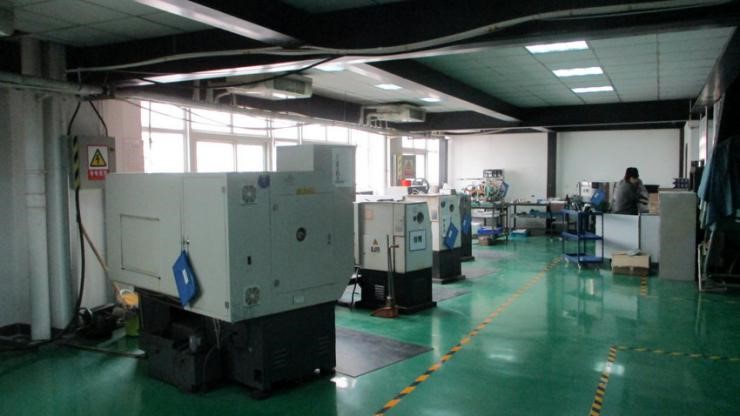
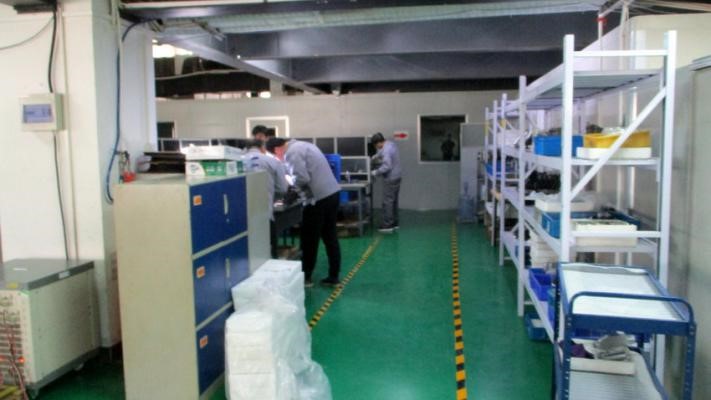
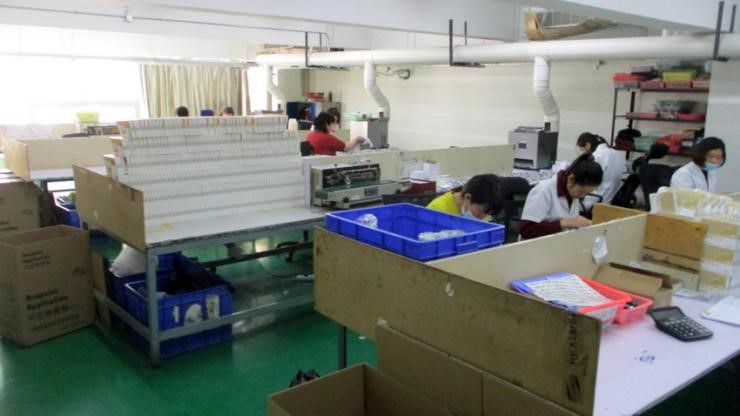
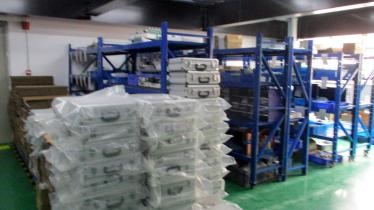
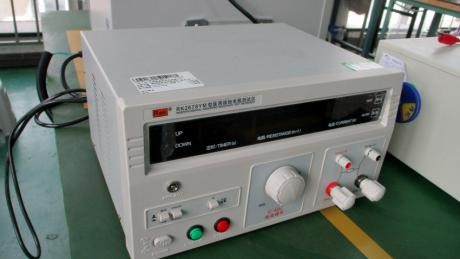
Inside our ISO-compliant production floors, R&D laboratories, testing chambers, and cleanroom packaging spaces.
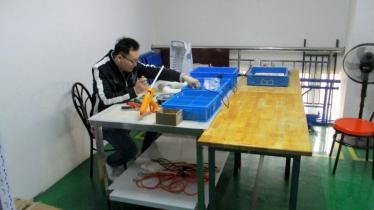

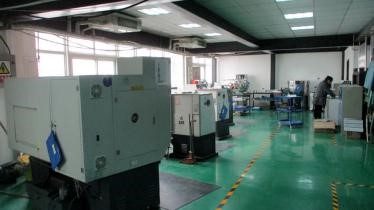
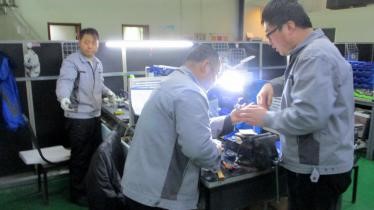
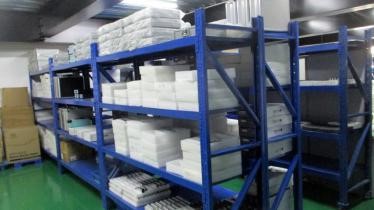

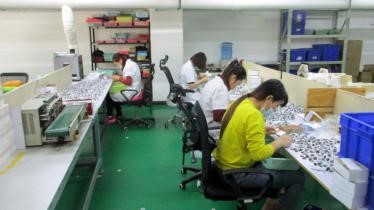
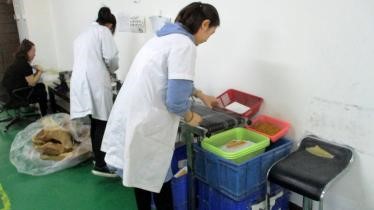
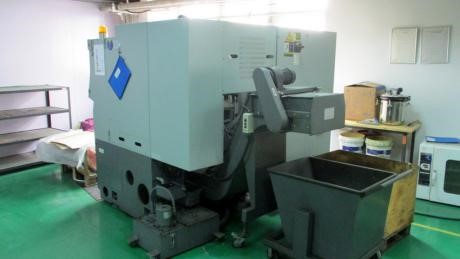
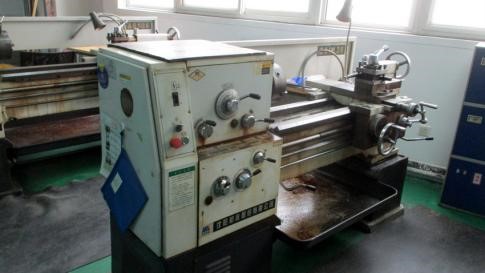
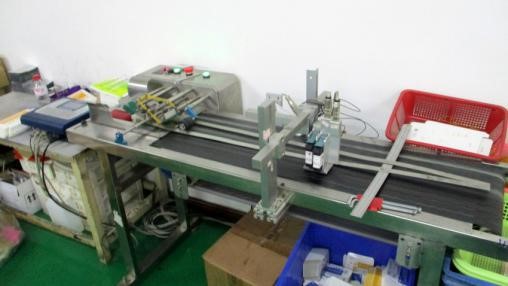
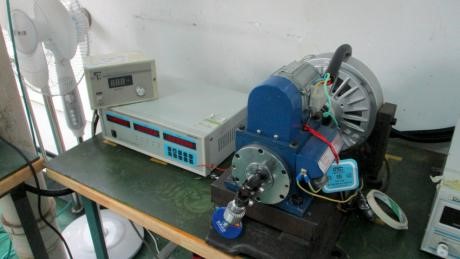
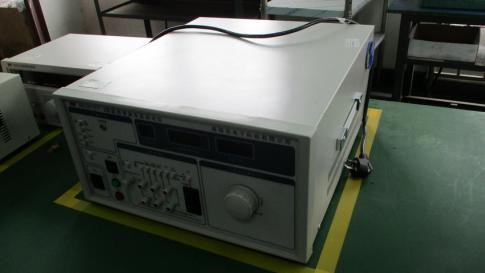
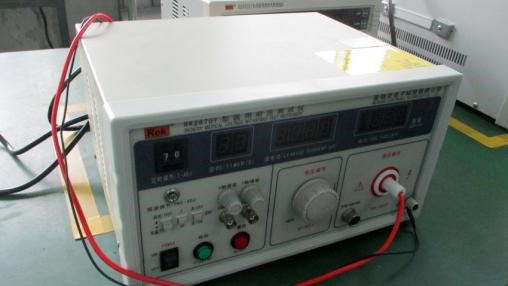
Modern surgical interventions require complete, integrated system solutions rather than isolated components. Both human and veterinary surgical practices require specialized instrumentation sets that simplify procedures, reduce operative time, and improve surgical outcomes.
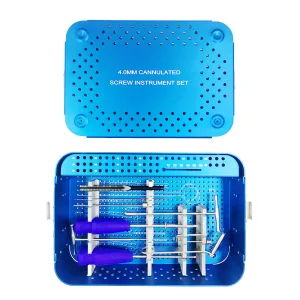
Our spine systems feature multi-axial pedicle screws designed for robust purchase in osteoporotic bone, supported by customized instrument kits. The trays facilitate clean arrangement of torque drivers, depth gauges, and screw-insertion tools. These systems are optimized for clean sterilization cycles in central sterile services departments (CSSD) and are designed to prevent components from shifting during transport.
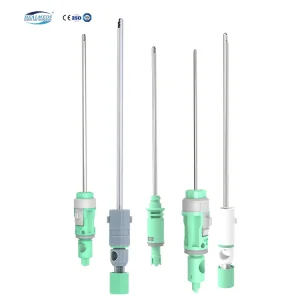
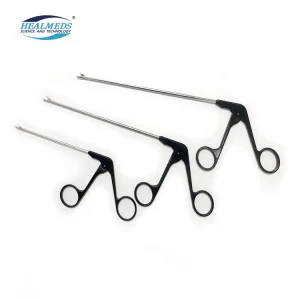
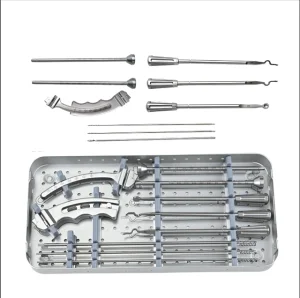
In arthroscopic knee and shoulder surgery, access is highly constrained. We manufacture precision shaver blades, suture graspers, and punch forceps compatible with leading arthroscopy systems. These components use high-precision cutting edges and anti-glare coatings, allowing for clean tissue resection and reliable management under scope visualization.
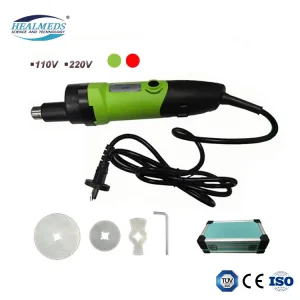
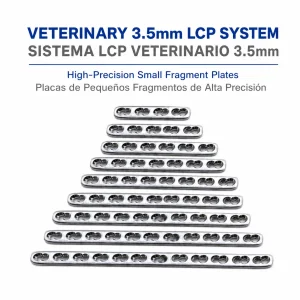
Veterinary surgery spans a wide array of patient anatomical sizes, from toy canine breeds to large equine targets. We provide tailored solutions such as brushless oscillating saws, tibial plateau leveling osteotomy (TPLO) tools, and customized plating kits designed for veterinary biomechanics. This adaptive design capability ensures veterinary surgeons can access the same level of instrument reliability and material security as human orthopedic surgeons.
Direct answers from our engineering and regulatory departments regarding certifications, manufacturing capacities, and custom design projects.
Our manufacturing processes are fully compliant with ISO 13485:2016 quality management standards, which are audited by European notified bodies. Our class-I and class-II spinal, articular, and power systems carry verified CE marks (HD 60142131 & G1 104715), confirming compliance with clinical safety and mechanical stability criteria under European Medical Device regulations.
Yes. We support custom developments, including light customization, graphic processing, sample processing, and custom CAD modeling. Our in-house R&D engineering department, consisting of 3 postgraduate engineers, uses advanced CAM tools to translate surgical requirements into functional designs, with prototypes generated for evaluation prior to production runs.
We implement 100% material traceability. Every batch of Grade 23 Titanium or medical-grade PEEK is supplied with raw material mill test certificates. These are archived in our database alongside production tracking numbers. Post-machining, parts undergo automated chemical passivation to prevent oxidation and protect structural surfaces during storage.
Standard inventory products generally ship within 7–15 days of order confirmation. For custom OEM/ODM production runs, timeline schedules range from 30 to 60 days depending on component complexity and tooling requirements. We utilize secure air freight and sea cargo configurations with protective packaging to prevent damage to fine threads and polished contact surfaces during transport.
Yes. All our orthopedic oscillating saws, bone drills, and instruments are designed to withstand autoclaving (typical standard cycle: 134°C at 2.1 bar for 4 minutes). Critical internal seals, brushless motors, and electronic speed-control circuits are insulated to withstand high-temperature steam sterilization cycles.
Additional specialized surgical kits and medical equipment components from our export collection.