Health Chi-Tech
Health Chi-Tech
Health Chi-Tech
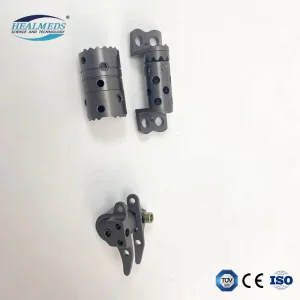
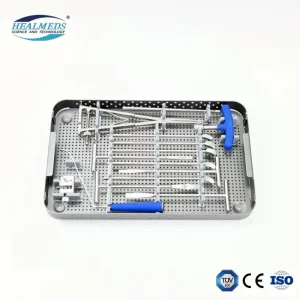
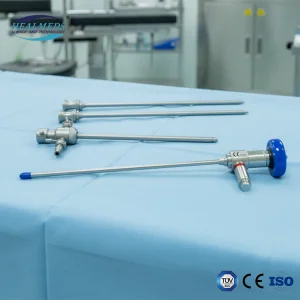
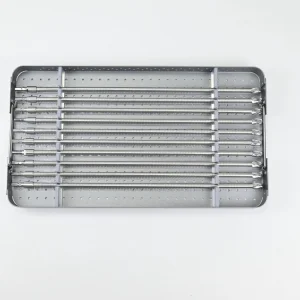
Explore our leading clinical configurations engineered for human and veterinary applications.
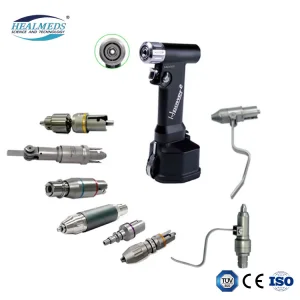
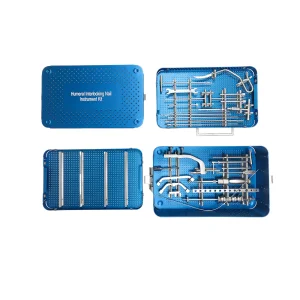
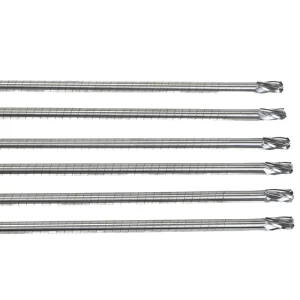
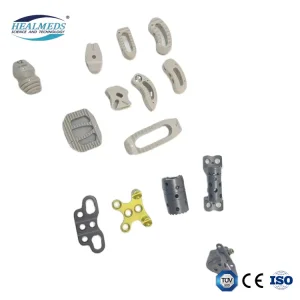
Operational statistics and compliance foundations backing our 21-year manufacturing track record.
| Operational Domain | Technical Capabilities & Verification Metrics |
|---|---|
| Quality Certifications | ISO13485 (Cert No. UKZB24MD30120R0S) | CE (Cert No. HD 60142131 0001) | CE (Cert No. G1 104715 0002 Rev. 01) |
| Quality Control Framework | 100% inspection of all production lines; 2 specialized QA/QC inspectors; Full traceability of medical raw materials (Ti, PEEK, CoCr, Stainless Steel) |
| Production Infrastructure | 8 Advanced CNC Manufacturing Machines & dedicated processing nodes |
| Research & Development | 3 Graduate R&D Engineers; 10 new products launched annually; Light customization, sample processing, graphic processing, and on-demand CAD/CAM modeling |
| Global Footprint | North America (20%), South America (18%), Domestic Chinese Market (15%), with 45 established supply chain partners globally |
| Client Demographics | Brand Business, Retailers, Wholesalers, Biomedical Engineers, Contract Manufacturers, and Specialized Clinical Institutes |
Modern trauma surgery and orthopedic reconstructive procedures demand fixation technologies that balance biomechanical stability with biology-preserving interventions. As a premier OEM/ODM intramedullary nail systems manufacturer, we address this demand by engineering load-sharing devices that facilitate secondary bone healing through micromotion. Unlike conventional compression plates, which are load-bearing and can lead to stress shielding and localized bone resorption, intramedullary nails are positioned close to the anatomical axis of the long bone. This placement distributes physiological forces dynamically, promoting rapid callus formation and reducing time-to-weight-bearing for the patient.
Our comprehensive product portfolio addresses the full anatomical spectrum of long-bone trauma, including femoral, tibial, and humeral fracture dynamics. Leveraging finite element analysis (FEA) and computational biomechanics, we optimize the geometric design of our interlocking nail structures. For instance, our Proximal Femoral Nail Antirotation (PFNA) systems resolve complex trochanteric fractures by replacing traditional dual-screw configurations with a single helical blade. This design compacts the cancellous bone structure, providing superior resistance to cut-out and rotational instability, particularly in osteoporotic bone.
Achieving optimal clinical outcomes requires careful management of physical loading configurations. Our intramedullary systems feature multi-planar locking options, allowing surgeons to select between static locking—to maintain length and rotational alignment in highly comminuted fractures—and dynamic locking, which allows controlled axial compression. By integrating elongated slot geometries into our distal locking holes, our systems facilitate dynamic axial compression under natural physiological load during rehabilitation, accelerating biological remodeling of the bone tissue.
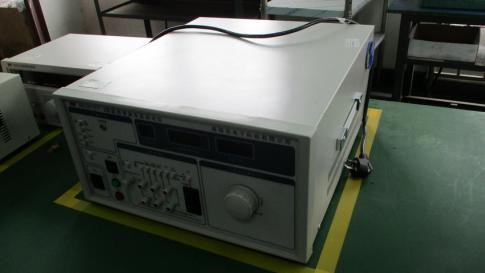
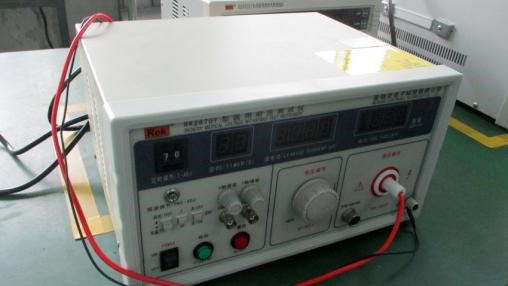
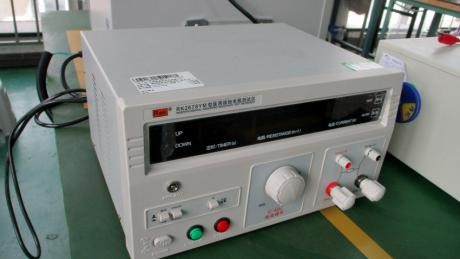
Visual evidence of our rigorous processing pipeline, CNC tooling, cleanroom verification, and structural inspection standards.
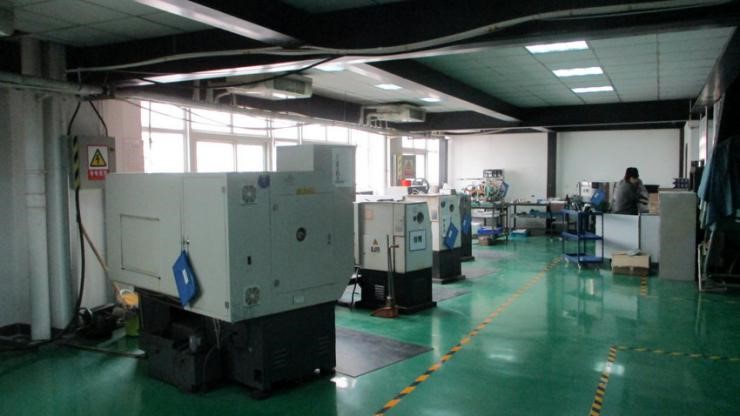
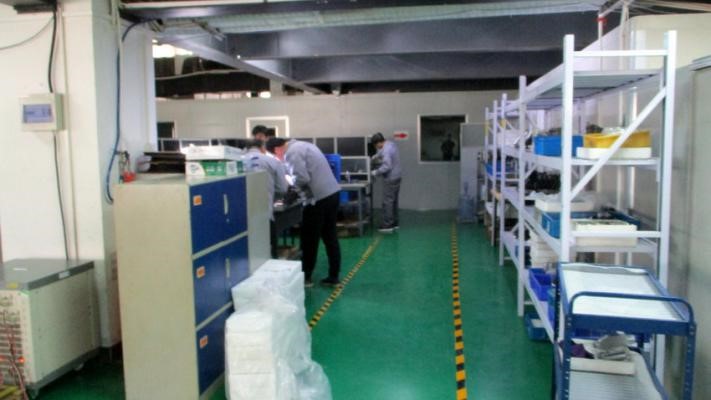
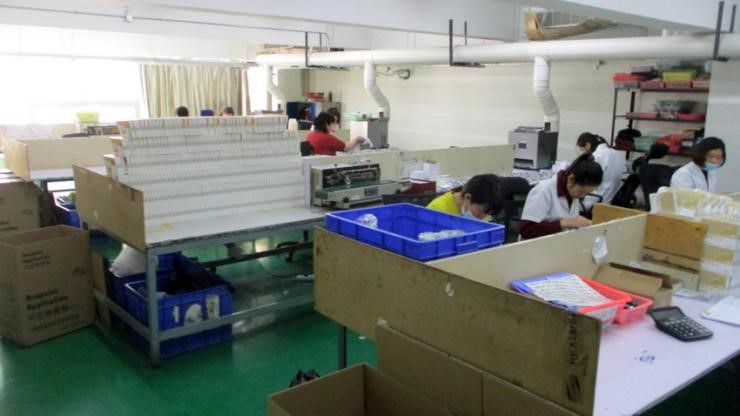
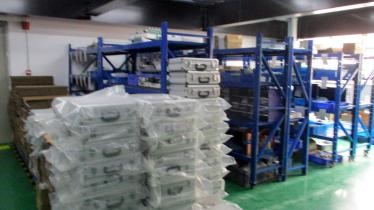
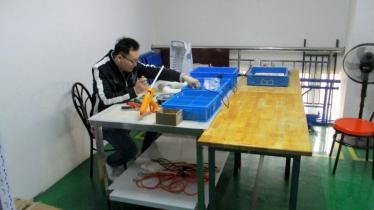
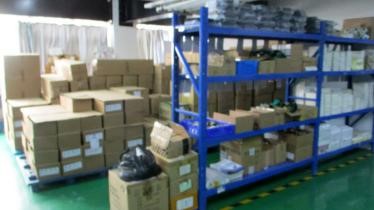
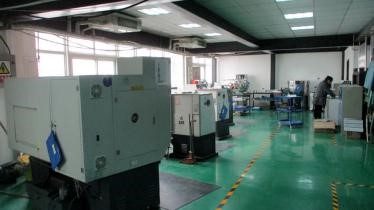
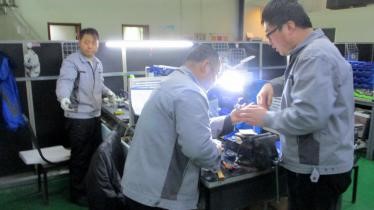
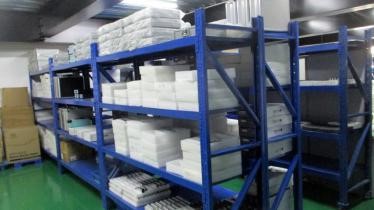
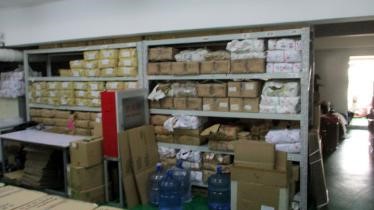
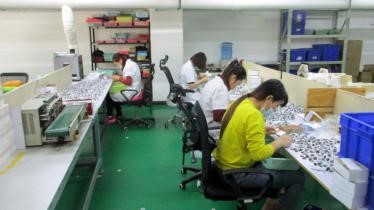
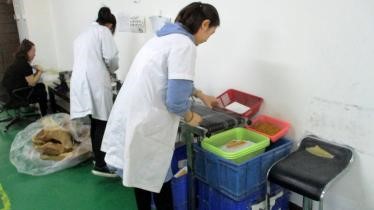
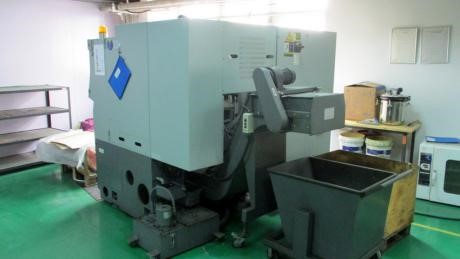
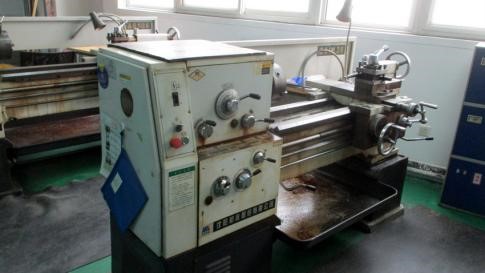
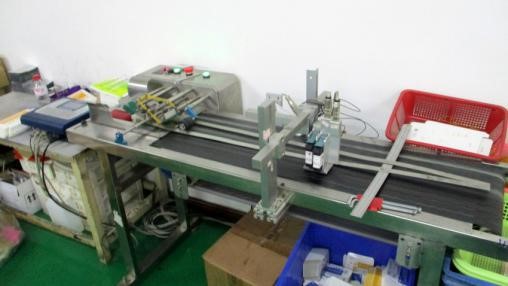
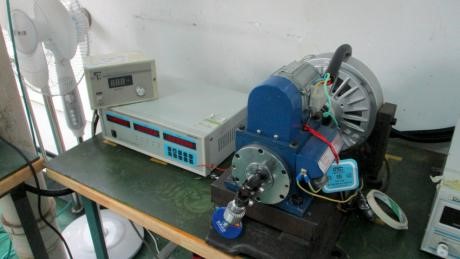
Navigating the global regulatory environment for class IIb and class III medical devices requires deep domain expertise. Our manufacturing facility operates under a certified ISO 13485:2016 Quality Management System, verifying that every step of our design, production, and distribution process complies with the harmonized global standards for medical technologies. With CE mark registrations, our intramedullary nail systems and associated instrumentation kits are authorized for clinical integration across diverse markets, providing hospital buyers, surgical coordinators, and distribution partners with assurance of safety, reliability, and traceabilty.
For B2B partners seeking customized solutions, our OEM/ODM development process follows a structured stage-gate design verification and validation protocol. This includes engineering mock-ups, mechanical stress validation under ISO 7206/ASTM F1264 standards (covering static four-point bending, dynamic fatigue, and torsional strength), and comprehensive bio-compatibility evaluations. This data pack is essential for regulatory filings, streamlining regional clearance processes with the FDA, EMA, or local ministries of health.
| Testing Parameter | Standard Guideline | System Performance Metric |
|---|---|---|
| Static Bending Strength | ASTM F1264 / ISO 9585 | Optimized yield moment preventing plastic deformation under peak load conditions. |
| Fatigue Life Verification | ASTM F1264 | Exceeds 1,000,000 cycles of dynamic load simulation without micro-fracture propagation. |
| Torsional Rigidity | ASTM F1264 | Maximized torsional resistance protecting system alignment during high rotational strain. |
| Biocompatibility Protocols | ISO 10993 Series | Non-cytotoxic, non-mutagenic, non-irritant surface compliance verified via ISO certified labs. |
Clinical needs vary significantly across regional demographics, healthcare systems, and anatomical applications. As a global exporter, we customize our manufacturing output to meet these diverse needs. In North America and Europe, where healthcare models favor high-efficiency surgical workflows, we provide customized, single-use sterile procedure packs. These packs minimize instrument processing times, lower contamination risks, and streamline operating room inventory management.
In South America and select Asian markets, we focus on modular, highly durable stainless steel (316LVM) and titanium alloy instrument kits. These components are engineered for repeated steam autoclave sterilization cycles (exceeding 500 cycles without degradation of calibration or laser marking clarity), providing long-term cost efficiency for regional trauma centers.
Our manufacturing facility also produces veterinary-specific orthopedic solutions. The biomechanical challenges in veterinary trauma, such as quadrupedal gait distribution and variable bone sizes in pets, require specialized designs. Our veterinary product line features ultra-compact interlocking nails (ranging from 1.5mm to 4.0mm in diameter) designed for feline and canine femoral/tibial stabilization. These are paired with specialized targeting guides that fit the compact skeletal dimensions of small animals, helping veterinary surgeons perform precise procedures with minimal soft tissue disruption.
The field of osteosynthesis is evolving toward personalized and smart implant systems. Our R&D team, in partnership with materials research institutes, is developing the next generation of intramedullary nail systems. A key focus is the integration of surface modification technologies that promote rapid osseointegration. By applying electrochemically deposited hydroxyapatite (HA) coatings and micro-arc oxidation (MAO) structures to our titanium alloys, we create a bioactive interface that stimulates osteoblast attachment, reducing the risk of implant loosening in poor-quality bone.
Additionally, we are exploring smart implant systems. By incorporating passive radio-frequency identification (RFID) tags and strain-measuring sensors, future orthopedic implants could track real-time healing progress and mechanical loading, allowing for personalized, data-driven rehabilitation protocols. We are also expanding our CAD-to-CAM pipeline to support custom 3D-printed titanium implants for complex reconstructive surgeries, ensuring we continue to offer cutting-edge solutions for our B2B partners worldwide.
Clear answers to regulatory, material, and operational questions for purchasing managers and distributors.
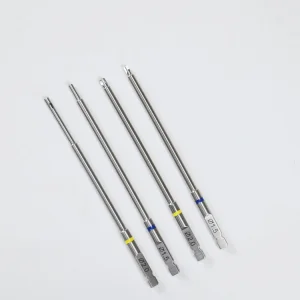
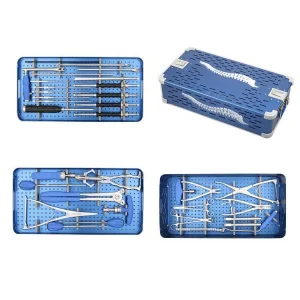
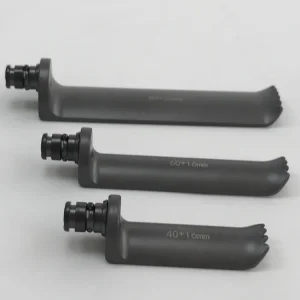
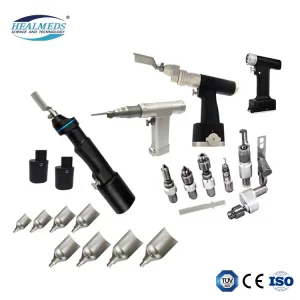
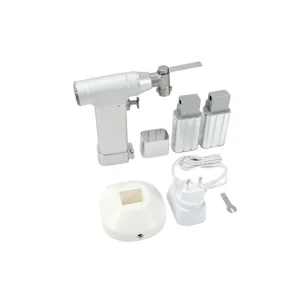
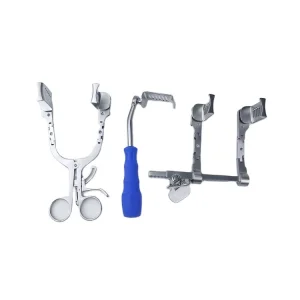
Precision power tools, spinal implants, and customized trauma retractors for general orthopedic suites.