Health Chi-Tech
Health Chi-Tech
Health Chi-Tech
Advanced instrumentation for small bone fixation and trauma repair.
Global Strategic Insights for Medical Device Procurement and R&D
Hand surgery represents one of the most anatomically dense and complex fields of orthopedic medicine. With 27 bones and a intricate network of tendons, nerves, and vascular structures, the margin for error is non-existent. Our Hand Surgery Instruments Factory focuses on the "Information Gain" of surgical outcomes—providing tools that not only perform but enhance the surgeon's tactile feedback. Modern hand surgery has transitioned from "macro" trauma repair to "micro" functional restoration, necessitating a move toward titanium alloys and ultra-high-grade stainless steel (AISI 420/316L) to ensure biocompatibility and corrosion resistance during repeated sterilization cycles.
The paradigm of "Made in China" has shifted to "Innovated in China." For global distributors and hospital groups, sourcing from a specialized Chinese factory offers three pillars of advantage:
Supporting Surgeons from Trauma Centers to Elective Micro-Surgery Suites
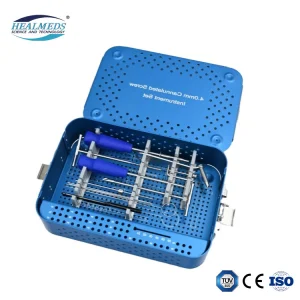
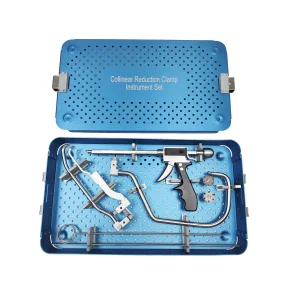
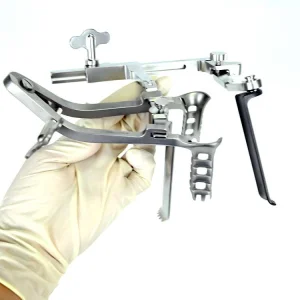
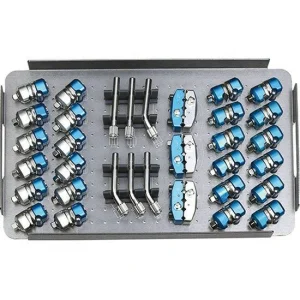
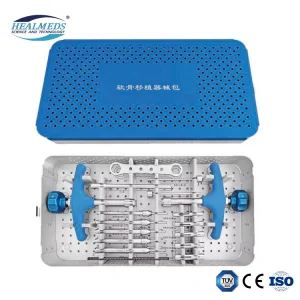
Comprehensive sets for distal radius fractures, metacarpal stabilization, and phalanx repair. Our collinear reduction clamps and K-wire systems are designed for minimally invasive entry.
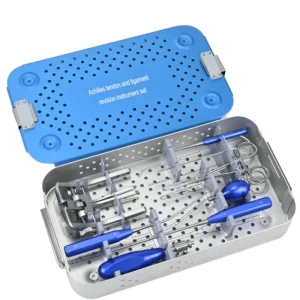
Specialized kits for Achilles and quadriceps tendon repair using percutaneous techniques, minimizing scarring and accelerating post-operative rehabilitation.
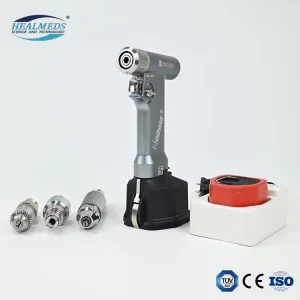
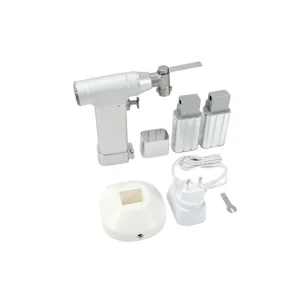
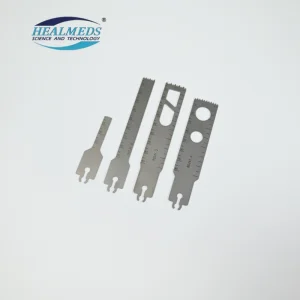
High-torque, low-vibration mini-oscillating saws and surgical drills designed specifically for the delicate dimensions of hand and foot surgery.
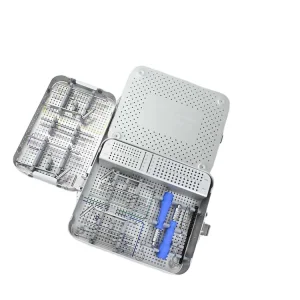
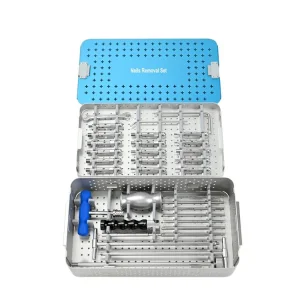
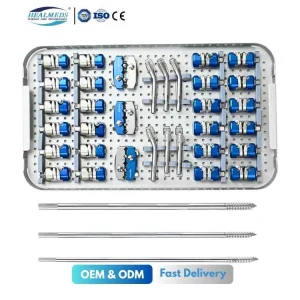
Providing standardized instrument containers and sterilization trays that fit seamlessly into existing hospital CSSD (Central Sterile Supply Department) workflows.
White-label manufacturing for international medical brands, including custom branding, laser marking, and region-specific regulatory documentation support.
Continuous exploration of PEEK (Polyetheretherketone) for spinal cages and carbon-fiber-reinforced instruments for radiolucent surgical environments.
Anticipating the needs of the 2025-2030 Surgical Market
1. Robotic-Assisted Hand Surgery: While full automation is years away, "smart instruments" that provide digital haptic feedback to surgeons are becoming the new standard. Our factory is investing in sensor-integrated handles to monitor grip force during delicate nerve grafting.
2. Sustainable & Reusable vs. Single-Use: There is a growing macro-trend toward high-durability reusable instruments to reduce the environmental footprint of hospitals. Our proprietary passivation process extends the life of stainless steel tools by 25% compared to standard suppliers.
3. Ergonomic Human-Factor Design: Surgeon fatigue is a major factor in procedural errors. We collaborate with orthopedic surgeons to design instrument handles with silicone grips and weighted balances that reduce wrist strain during long microsurgical cases.
4. 3D-Printed Implants: The integration of instruments with patient-specific implants is the next frontier. We provide the "Reconstruction Kit" for bone cement and implant placement that matches the precision of custom 3D scaffolds.
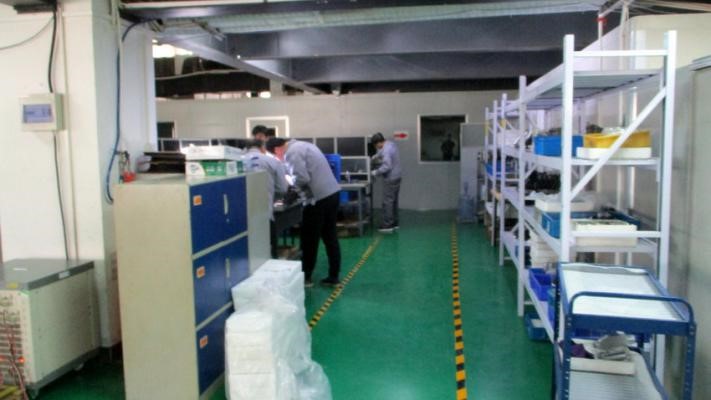
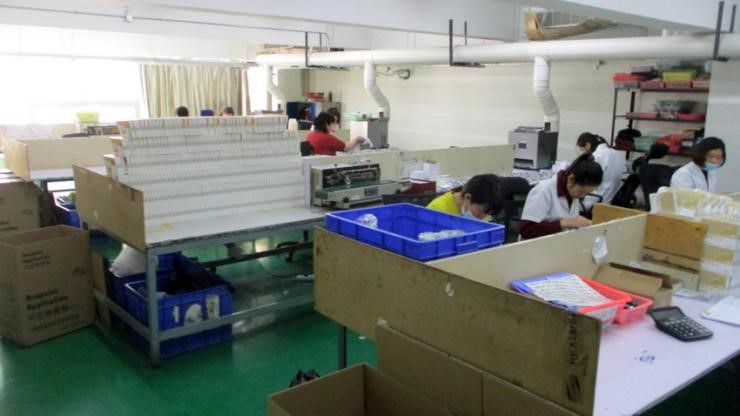
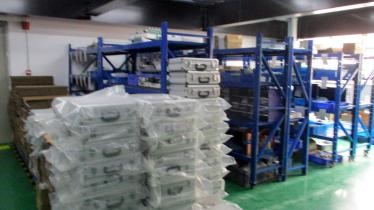
Transparent Operations & Certified Quality Assurance
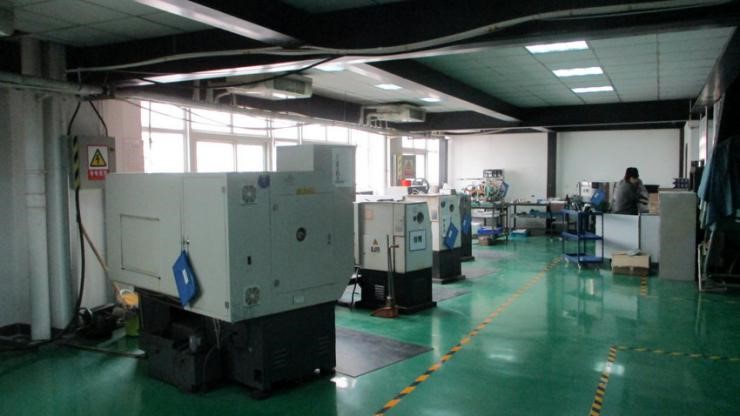
| Established | 2005-01-14 |
|---|---|
| Export Experience | 21 Years |
| R&D Team | 3 Graduate Engineers |
| Certifications | ISO13485, CE (TÜV SÜD) |
| Main Markets | North America (20%), South America (18%) |
| Customization | Sample, Graphic, OEM/ODM |
| Quality Control | 100% Product Inspection |


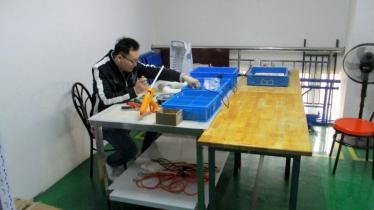

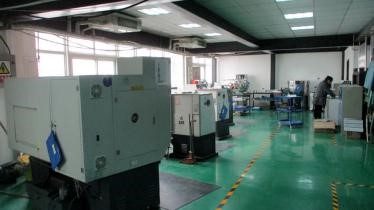
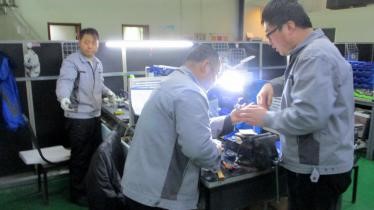


Key Information for Global Procurement Managers
A: We primarily utilize Medical Grade Stainless Steel (17-4PH, 420, 316L) and Titanium Alloy (Ti6Al4V ELI). These materials are selected for their superior mechanical properties, biocompatibility, and ability to withstand rigorous autoclave sterilization cycles without degradation.
A: Yes. We offer "light customization" and sample processing for emerging brands. Our R&D team works closely with you to refine designs before scaling to mass production, ensuring your unique IP is protected and perfectly manufactured.
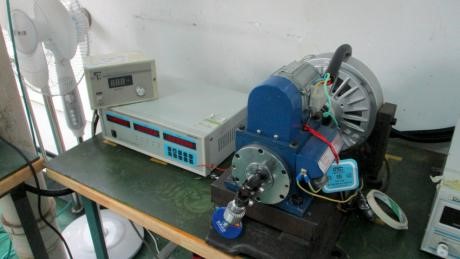
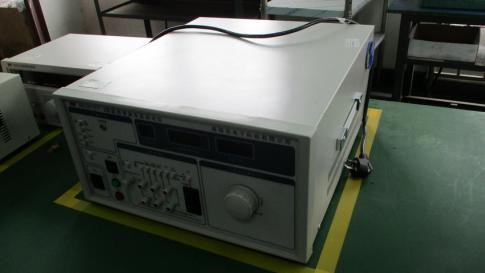
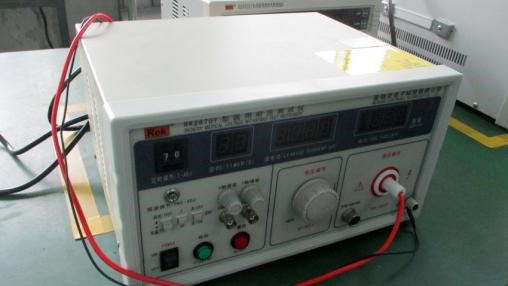
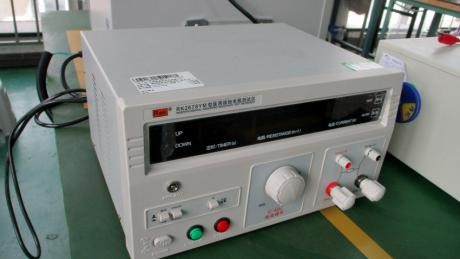
A: We implement a 100% inspection protocol. Every instrument undergoes visual inspection, functional testing (e.g., clamp tension, blade sharpness), and ultrasonic cleaning. Documentation includes material traceability reports and sterilization compatibility certificates.
A: For graphic or logo customization, lead time is typically 2-3 weeks. For complex ODM projects requiring new molds or CNC programming, the cycle ranges from 45 to 90 days, including prototyping and regulatory validation phases.
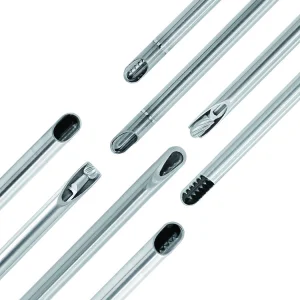
A: Yes, our oscillating saw blades and shaver tips are engineered to be compatible with major systems like Stryker, Smith & Nephew, and Linvatec, providing high-quality, cost-effective alternatives for hospital procurement.
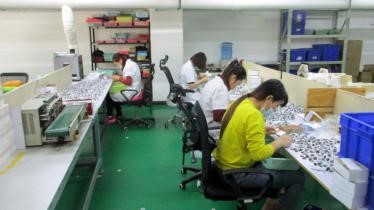
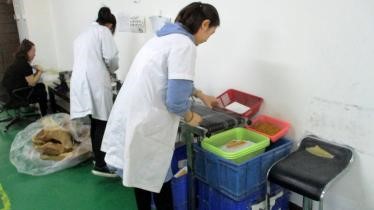
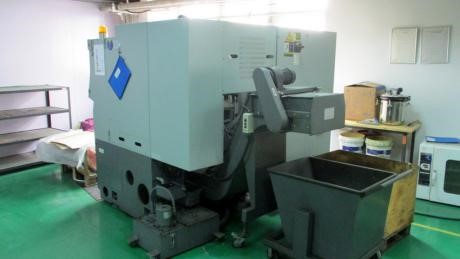
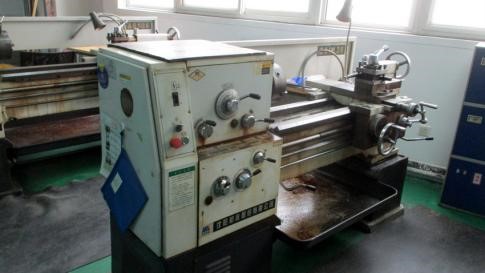
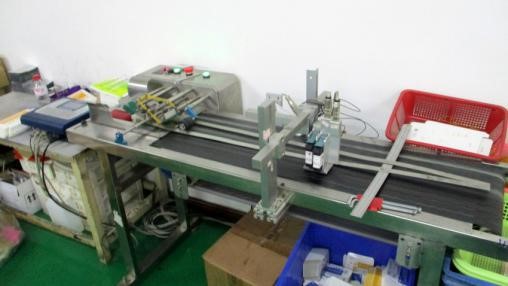
Comprehensive solutions for orthopedic surgery and complex trauma.