Health Chi-Tech
Health Chi-Tech
Health Chi-Tech
In the high-stakes arena of orthopedics, the Acetabular Reamer is not merely a cutting tool; it is the bridge between surgical planning and biological success. As global populations age and the demand for Total Hip Arthroplasty (THA) surges, the focus on China's manufacturing ecosystem has shifted from "volume" to "hyper-precision." Leading Chinese factories are now integrating AI-driven design and advanced metallurgy to produce reamers that ensure optimal primary stability for cementless implants.
This white paper explores how top-tier suppliers in China are leveraging 20+ years of industrial experience to meet the rigorous E-E-A-T (Experience, Expertise, Authoritativeness, and Trustworthiness) criteria required by global medical device distributors and hospital procurement teams.
Modern Acetabular Reamers manufactured in China utilize Medical Grade 420B Stainless Steel or specialized diamond-like coatings (DLC) to reduce heat generation during bone preparation. Excessive thermal energy can lead to bone necrosis, hindering the osseointegration of the implant.
In emerging markets, reamer systems must be robust enough for repeated sterilization in varying autoclave conditions. China’s top suppliers provide localized support by offering reamer sizes adapted for regional anatomical variations—critical for Asian, African, and Caucasian patient profiles.
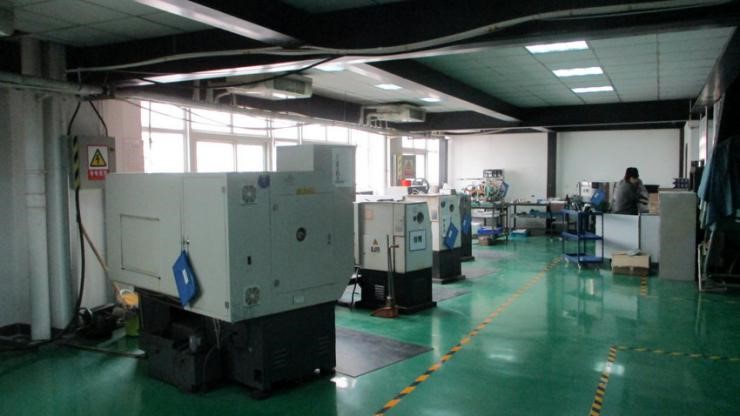
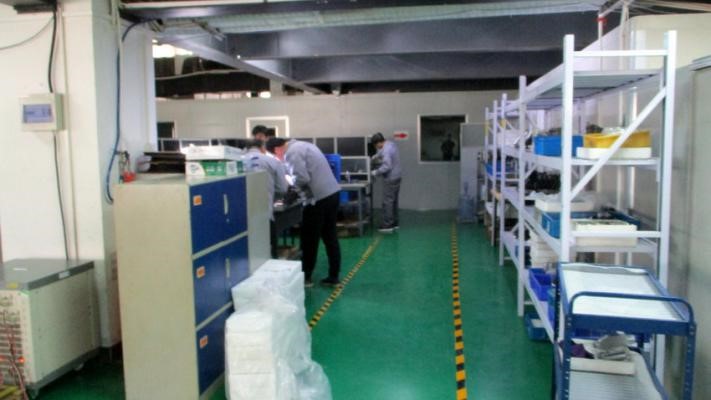
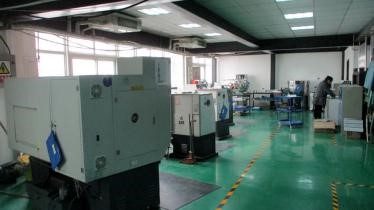
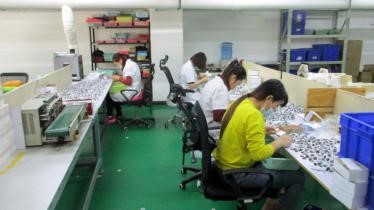
Unlike fragmented manufacturers, China’s medical hubs (such as those in Changzhou and Suzhou) offer vertical integration. This means raw material sourcing, CNC machining, laser etching, and sterile packaging (Class 10,000 cleanrooms) occur within a 50km radius, reducing lead times by 40% compared to Western counterparts.
The roadmap for the next decade of acetabular preparation includes:
Reamers designed specifically for robotic arms (like Mako or CORI), requiring dynamic balancing for high-RPM stability.
The move toward pre-sterilized, disposable reamers to eliminate cross-contamination and reduce hospital processing costs.
Embedding IoT sensors to monitor bone density in real-time during the reaming process, alerting the surgeon to osteoporotic zones.



A: Most premium reamers utilize hardened 420B stainless steel for its superior edge retention and biocompatibility. We also offer specialized coatings to enhance durability and reduce friction.
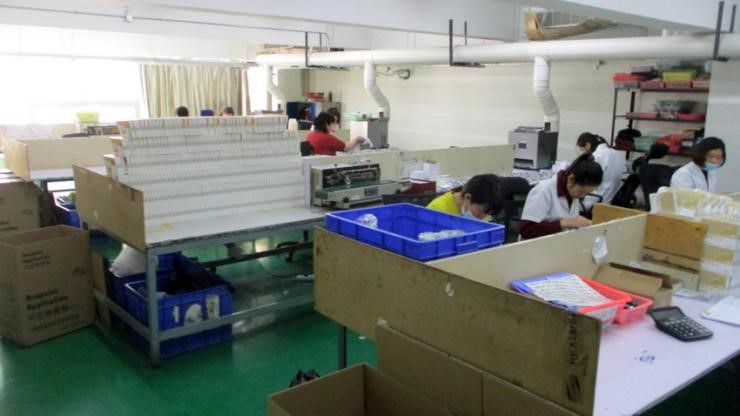
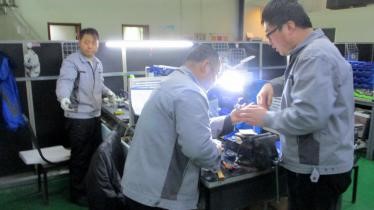
A: Every reamer undergoes 100% inspection using digital micrometers and CMM (Coordinate Measuring Machines) to ensure it stays within the +/- 0.02mm tolerance required for cementless THA.
A: Yes. With our 3 graduate R&D engineers, we provide light customization, sample processing, and full graphic design based on your specific orthopedic system requirements.
A: Absolutely. Our reamers are designed with universal adapters (Hudson, AO, or customized) to ensure seamless integration with major brands like Stryker, Medtronic, and Zimmer Biomet.