 Health Chi-Tech
Health Chi-Tech
Health Chi-Tech
Premium class mechanical, battery-operated, and arthroscopic dynamic instruments designed for orthopedic surgeons demanding unmatched ergonomic feedback and longevity.
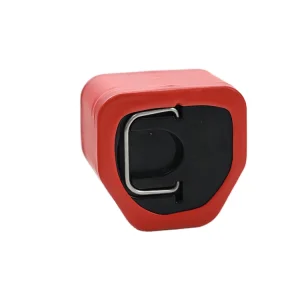
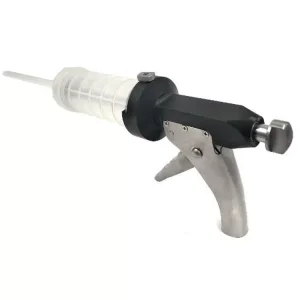
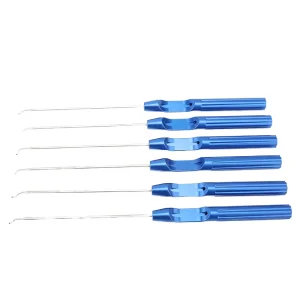
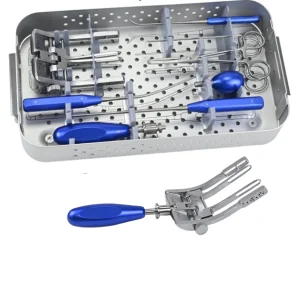
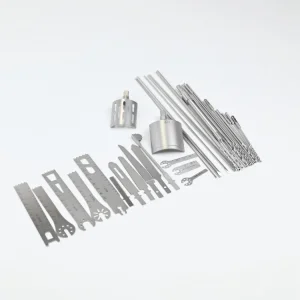
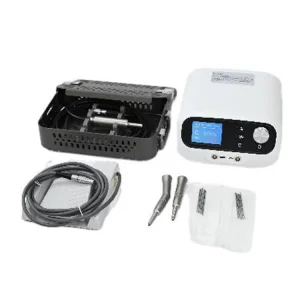
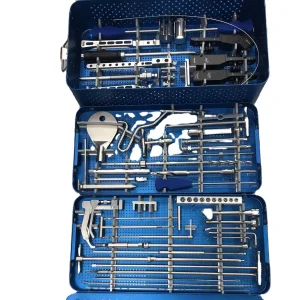
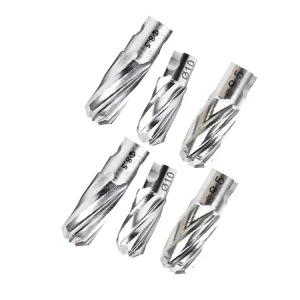
The landscape of surgical device sourcing has shifted dramatically. Formerly viewed primarily as a region for high-volume component manufacturing, China's surgical instruments cluster has evolved into a premier design, engineering, and system-level manufacturing hub. This growth matches international standards, incorporating high biocompatibility raw materials, smart electric mechanisms, and robotic assembly precision.
By integrating strict adherence to ISO 13485 and European CE certifications, modern Chinese manufacturing hubs provide cross-disciplinary expertise in metallurgy, precision milling, electronics, and sterile packaging. Clinical centers worldwide rely on these high-spec medical devices to deliver therapeutic results in operating rooms daily.
Procuring surgical-grade medical stainless steels (ASTM F899) and premium Titanium Alloys (Ti-6Al-4V ELI) ensures biocompatibility and resistance to aggressive autoclave cycles.
Employing 5-axis CNC machining, Swiss-type milling, and electro-discharge machining (EDM) to realize tolerances as small as ±3 micrometers for orthopedic reamers, burrs, and suture hooks.
State-of-the-art electropolishing, chemical passivation, and PVD/DLC (Diamond-Like Carbon) coatings to reduce friction coefficient, minimize tissue adhesion, and prevent light reflection during microscopic surgeries.
Adapting critical instruments to varying surgical procedures, biomechanics, and clinical settings globally.
Trauma surgical interventions demand precise implant alignment and secure skeletal stabilization. Solutions like the *PFNA Instrument Set* (Proximal Femoral Nail Antirotation) and *DHS/DCS Dynamic Hip and Condylar Screw* kits provide trauma centers with the specialized jigs, reamers, and drivers required for complex fracture fixation.
Minimally invasive therapies require downsized instrumentation capable of operating within confined synovial spaces. Advanced *Shoulder Arthroscopic Suture Passers* and *Knee Cartilage Removal Sets* (curettes, dynamic shavers, suture hooks) permit surgeons to reconstruct tissue with minimal anatomical disruption.
Transforaminal Lumbar Interbody Fusion (*TLIF Set*) and high-speed spinal burrs represent the pinnacle of neurosurgical safety. Engineered tool profiles avoid neural damage while offering efficient bone resection. Autoclavable, high-torque micro-electric drills maintain continuous axial performance under loads.
Solidified by over two decades of technical export experience, validated certifications, and meticulous quality gates.
| Audit Parameter | Standard Specification Details |
|---|---|
| Facility Floor Space | 1,036 m² state-of-the-art cleanroom and production zone. |
| Primary Export Distribution | North America (20%), South America (18%), Domestic Market (15%), with 45 active global partners. |
| Production Infrastructure | 4 dedicated manufacturing lines, 8 high-performance production machines, and 3 graduate R&D engineers. |
| Quality Control Strategy | 100% inspection of finished medical devices, robust raw material traceability systems, and 2 dedicated QA/QC inspectors. |
| Customization Capabilities | Light customization, sample processing, graphic design blueprint conversion, and customized-on-demand engineering. |
The technological trajectory of surgical tools centers on smart integration, modularity, and micro-precision. The incorporation of brushless DC (BLDC) motors into handheld dynamic tools (like bone saws and spine burrs) has drastically reduced heat signature and housing dimensions.
Simultaneously, sterilization validation has transformed. Autoclave cycles (134°C at high pressure) wear down metals, causing micro-fractures and stress corrosion. Modern metallurgy prevents this degradation by using vacuum heat treatment processes and advanced passivating formulations. This ensures that surgical tool kits maintain their structural and visual integrity over long life cycles.
"Our engineering goal is simple: construct instruments that deliver tactile feedback directly to the surgeon's hands, matching the natural kinetics of anatomical operations."
1. Martensitic Stainless Steels (420A/B/C): Employed in cutting-edge instruments (osteotomes, bone rongeurs, and dynamic drill bits) demanding maximum hardness (Rockwell C scale 50-55 HRc) and sharp edge retention.
2. Austenitic Stainless Steels (316LVM / 304): Applied in components requiring superior corrosion resistance, high ductility, and non-magnetic properties, such as implant trials, retractors, and locking plate guide sleeves.
3. High-Performance PEEK (Polyetheretherketone): Utilized in weight-sensitive trial implants, radio-transparent surgical guides, and structural components of reusable sterilization trays.
How clustering and manufacturing capabilities guarantee stable operations, shorter lead times, and mitigation of global logistical risks.
Our proximity to secondary process facilities—such as anodization, laser marking, and customized sterilization tray production—enables rapid prototyping. This shortens the cycle from initial design to ISO-certified batch manufacturing, reducing standard lead times by up to 35% compared to fragmented western supply chains.
By keeping a constant reserve of medical-grade steel and titanium billets, our factory mitigates global material price spikes. Through long-term agreements with certified steel mills, we ensure consistent batch chemistry and mechanical properties for all manufactured tools.
Our engineering team can translate custom drawings or sample components into production-ready CNC programs within 5 business days. This adaptability is critical for hospitals requiring customized dimensions or instruments designed for specific patient anatomies.
A transparent look inside our manufacturing processes, including CNC milling, mechanical calibration, quality testing, and cleanroom packaging.
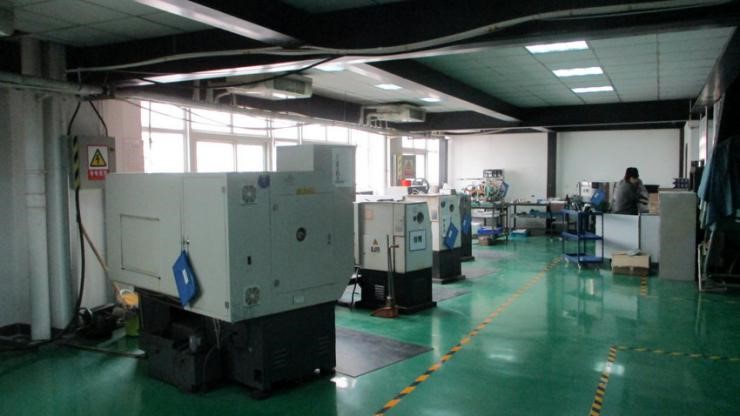
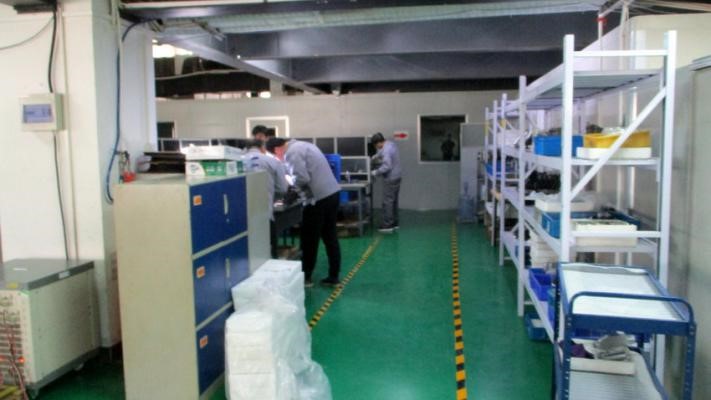
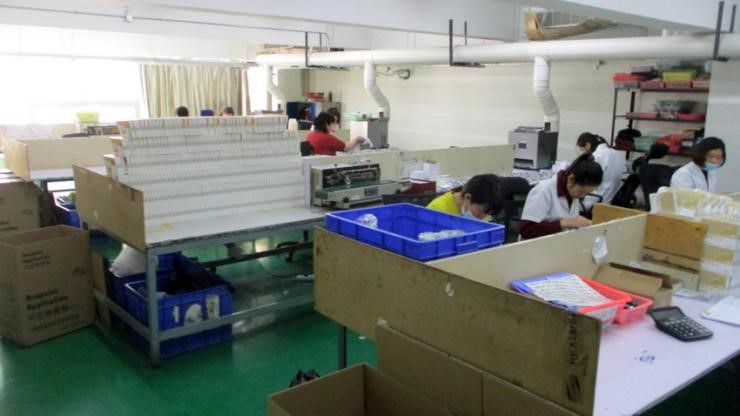
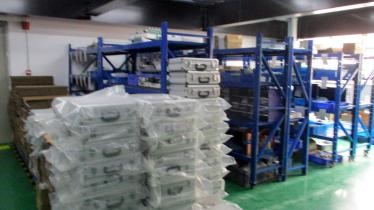


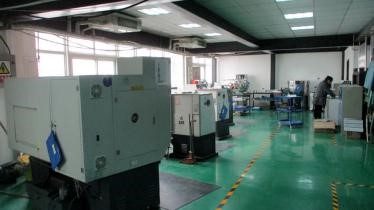
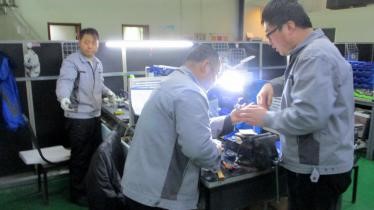
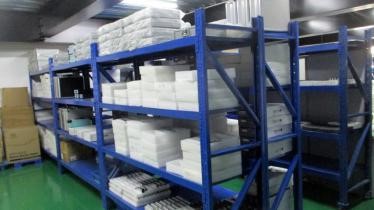

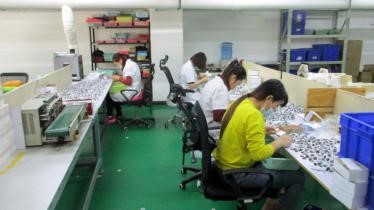

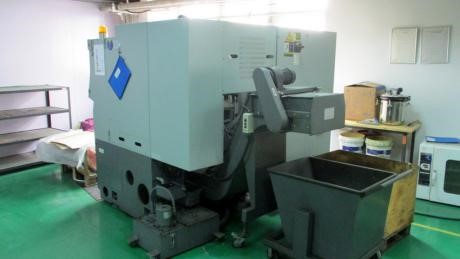
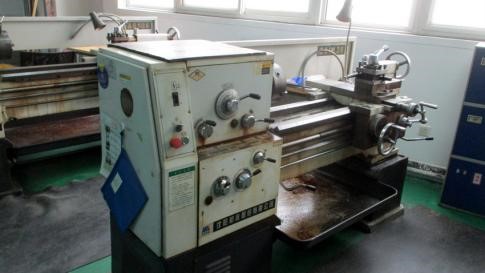
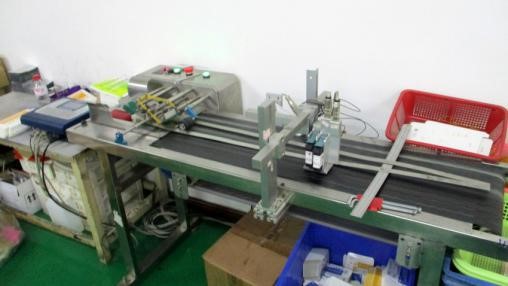
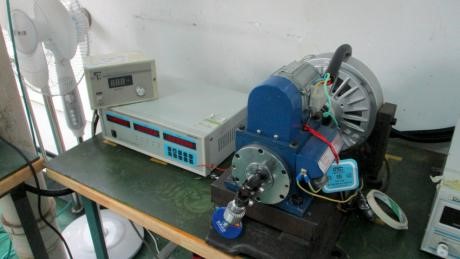
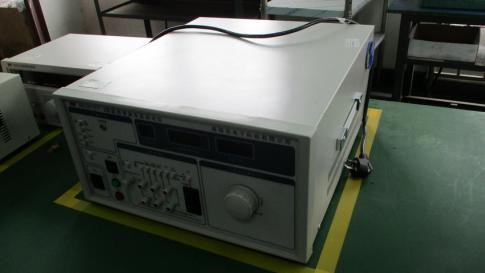
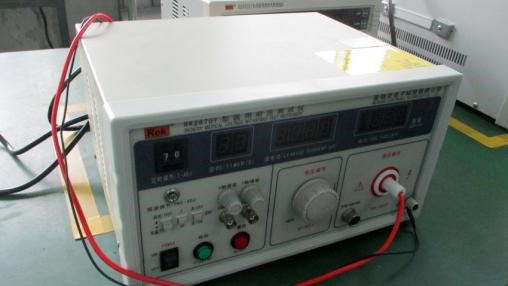
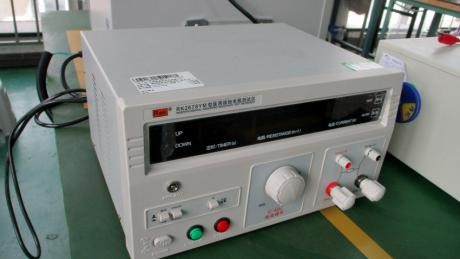
Precision-milled medical equipment built for reliability through demanding clinical procedures and repeat sterilization cycles.
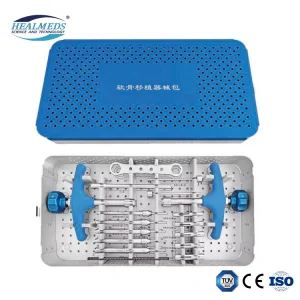
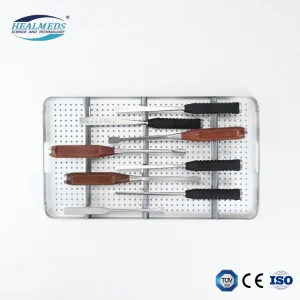
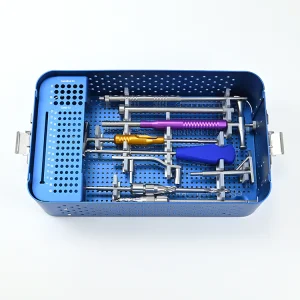
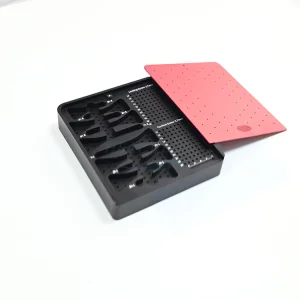
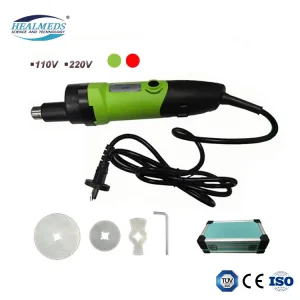
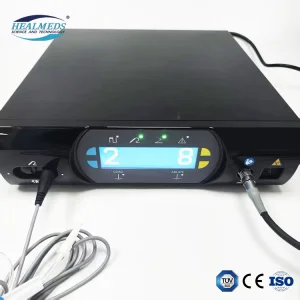
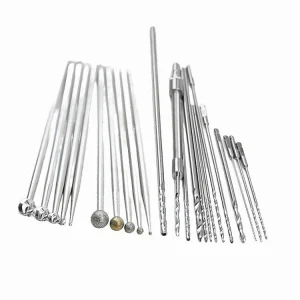
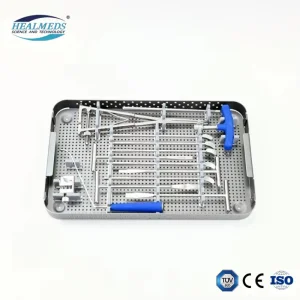
Operating room equipment must meet strict international standards. Our manufacturing processes comply with the rigorous requirements of European CE (MDD 93/42/EEC & MDR 2017/745 transition protocols) and ISO 13485 (UKZB24MD30120R0S) quality management systems.
Each production batch undergoes standard validation, including material hardness verification, ultrasonic cleaning checks, corrosion resistance tests (boiling water method), and non-destructive dimension testing using laser measuring devices. This ensures that every tool delivered to hospital systems maintains long-term reliability and patient safety.
Exploring the next frontier of surgical instrument technology, including smart sensors, navigation compatibility, and enhanced sustainability.
Modern surgical suites rely on real-time computer-assisted tracking. Our R&D division is developing instrument adapters with passive tracking arrays and electromagnetic sensors. This integration allows tools like hip drills and spinal reamers to interface with leading navigation systems, supporting precise placement in the operating room.
To extend instrument lifespan and reduce heat build-up during osteotomy procedures, we are introducing next-generation coatings like Chromium Nitride (CrN) and Titanium Aluminum Nitride (TiAlN). These surface treatments improve wear resistance and maintain edge sharpness over multiple sterilization cycles.
Partnering with global healthcare organizations, we are optimizing the sustainability of our products. This includes transitioning to lightweight, highly durable anodized aluminum sterilization cassettes and optimizing cleanroom packaging to reduce single-use plastic waste while maintaining sterile barrier performance.
Critical answers for hospital procurement specialists, clinical engineers, and distribution partners concerning regulatory compliance, factory capacity, and manufacturing capabilities.