Health Chi-Tech
Health Chi-Tech
Health Chi-Tech
Decoding the shift from single-use wraps to sustainable rigid container systems (RCS).
The global healthcare sector is rapidly moving away from traditional blue-wrap sterilization towards Rigid Sterilization Containers. This transition is driven by the need for enhanced puncture resistance, stackability in the CSSD, and significant reduction in medical waste. China has emerged as the primary hub for high-quality, cost-effective aluminum and polymer sterilization solutions.
Current market analysis indicates a 6.8% CAGR in the sterilization container segment. North America and Europe remain the largest consumers, demanding rigorous adherence to ISO 11607 and CE standards. Chinese manufacturers, leveraging advanced anodic oxidation and CNC precision, now bridge the gap between premium performance and economic viability.
Reliability in sterilization is non-negotiable. As an industry leader with over 21 years of manufacturing expertise, we focus on material integrity—using specialized 5000-series aluminum alloys that withstand thousands of autoclave cycles without warping or losing seal integrity.
Integrating AI-driven tracking and material science into modern sterilization workflows.
The integration of RFID tags into sterilization boxes allows for real-time tracking of surgical sets throughout the hospital ecosystem. This minimizes "lost tool" incidents and optimizes the sterilization turnaround time (TAT).
Modern R&D focuses on lightweighting containers without compromising structural strength. By utilizing honeycomb structures and advanced aerospace-grade alloys, we reduce the ergonomic strain on hospital staff.
Transitioning to reusable PTFE filters and permanent valve systems eliminates the need for disposable paper filters, aligning with global "Green Hospital" initiatives and ESG goals.
Customized containment solutions for diverse medical disciplines.
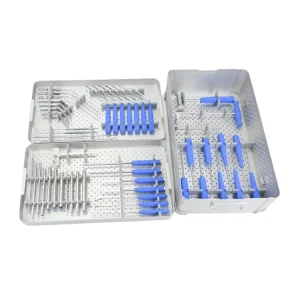
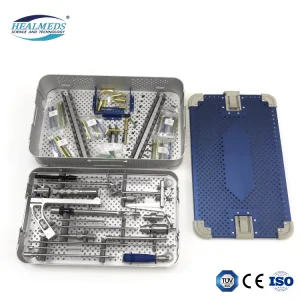
Heavy-duty containers with silicone mats and customized brackets for drills, saws, and plates. Designed to handle the weight and complexity of total joint replacement sets.
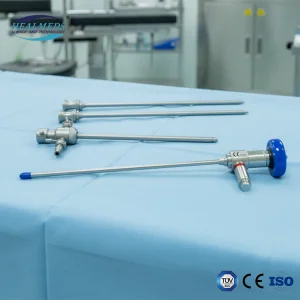
Long-format boxes for endoscopic telescopes and delicate laparoscopy instruments, featuring shock-absorbent silicone holders to prevent optical damage.
Compact, high-turnover containers optimized for tabletop autoclaves. These provide dental clinics and vet hospitals with the same level of safety as large-scale trauma centers.
| Phase | Technology Focus | User Benefit |
|---|---|---|
| Current (Gen 3) | Anodized Aluminum, Silicone Gaskets, Mechanical Valves | Durable, reusable, standard autoclave compatibility |
| Near Future (Gen 4) | Integrated RFID, Color-Changing Indicator Lids | Automated inventory management, instant sterility visual check |
| Long-Term (Gen 5) | Smart Sensors for Internal Pressure/Temp Logging | Cloud-based sterilization validation for every single cycle |
Certified Quality Management Systems for International Export.
Established: 2005-01-14
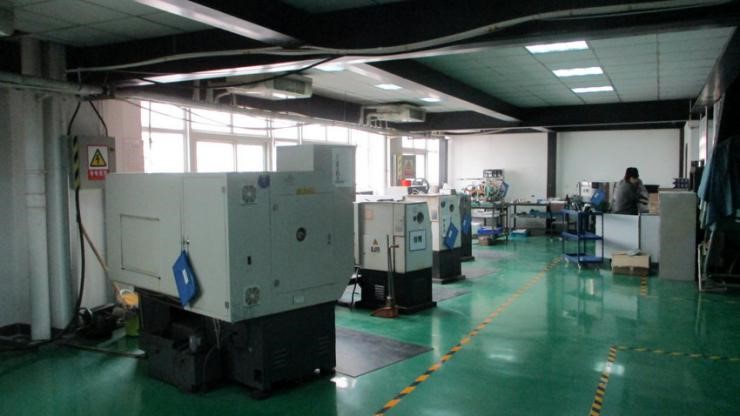
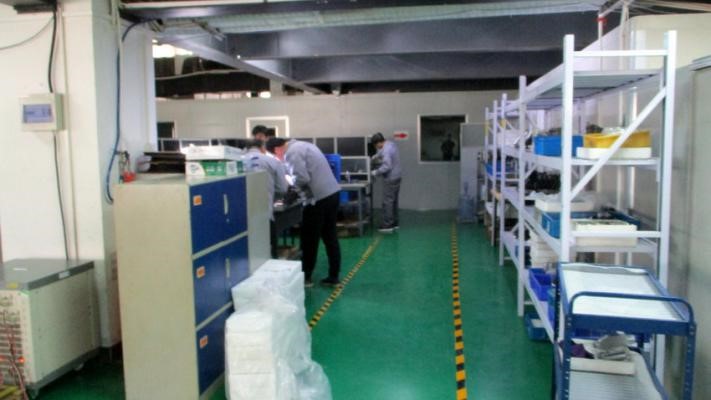
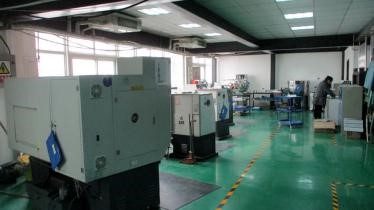
Facility Space: 1036㎡
Export History: 21 Years
Main Markets: North America (20%), South America (18%), Domestic (15%)
R&D: 3 Graduate Engineers

ISO13485
UKZB24MD30120R0S

CE Marking
HD 60142131 0001
CE G1
104715 0002 Rev. 01
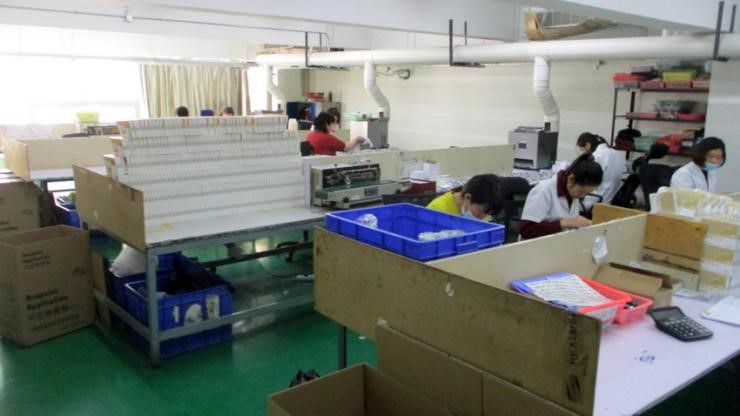
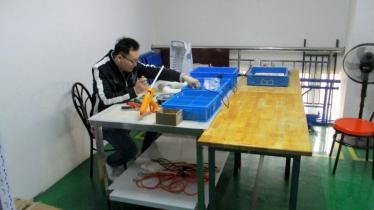
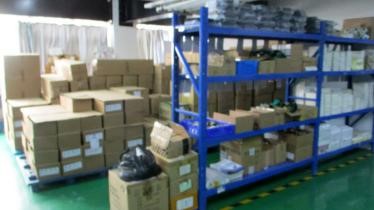
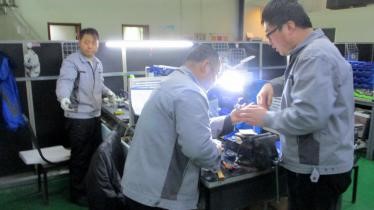
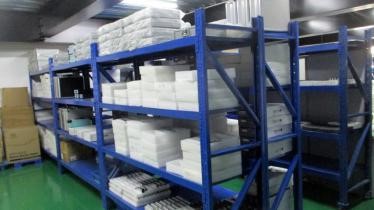
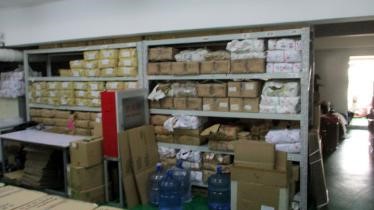
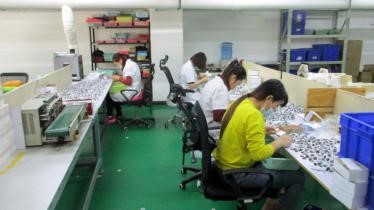
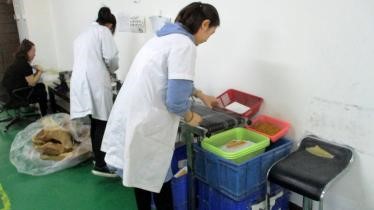
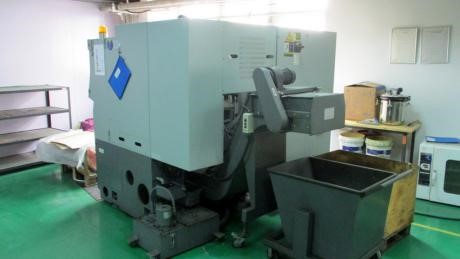
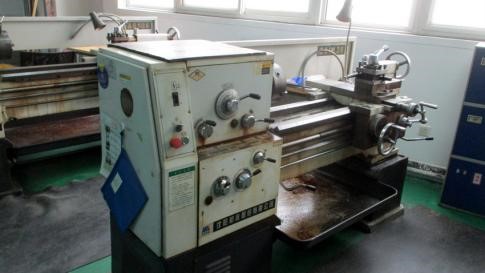
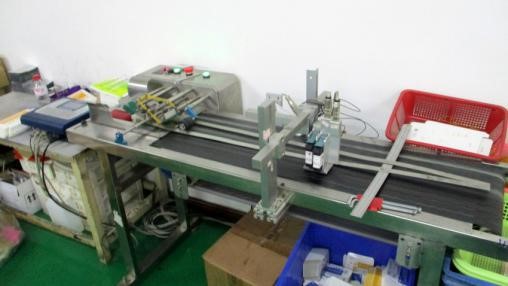
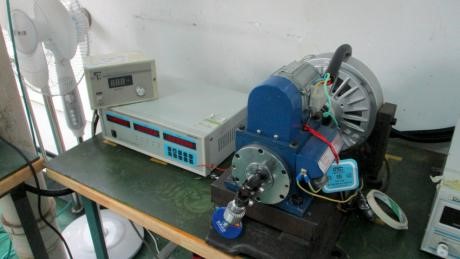
Our production lines (4 total) are monitored by 2 dedicated QA/QC inspectors. We implement 100% inspection of all products and maintain full traceability of raw materials, ensuring that every sterilization box leaving our facility meets the highest safety benchmarks.
Addressing common technical inquiries regarding sterilization containers.
Aluminum offers superior thermal conductivity, which ensures faster heating and cooling during the autoclave cycle, significantly reducing drying time and preventing "wet packs." Additionally, its high strength-to-weight ratio improves ergonomics for staff.
We use a specialized hard-anodization process that creates a thick, non-reactive oxide layer. This layer is resistant to alkaline detergents and the high temperatures of steam sterilization, preventing corrosion over hundreds of cycles.
Yes, our rigid sterilization containers are designed to meet the requirements of ISO 11607-1, ensuring they provide an effective microbial barrier and maintain sterility until the point of use.
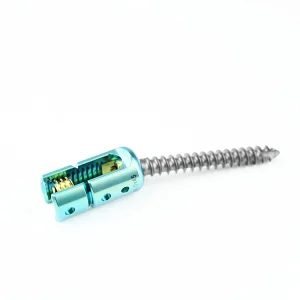
Absolutely. We offer light customization, sample processing, and graphic processing. Our engineers can design custom silicone mats and stainless steel dividers to secure specific instrument configurations, such as spine surgery or arthroscopy sets.