Health Chi-Tech
Health Chi-Tech
Health Chi-Tech
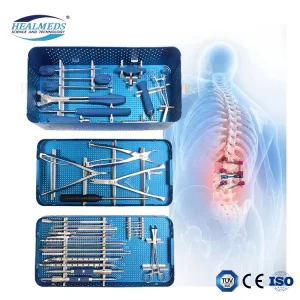
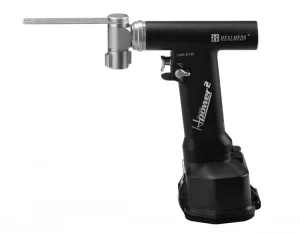
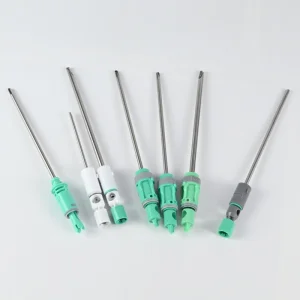
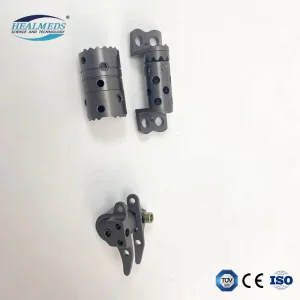
Explore our top-performing orthopedic kits, specialized bone cutting saws, spinal implants, and customized sterilization containers engineered for seamless surgery.
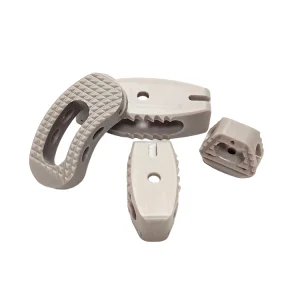
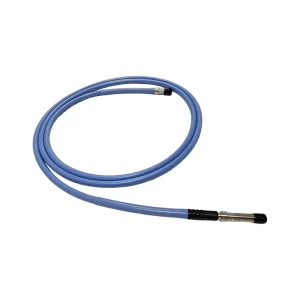
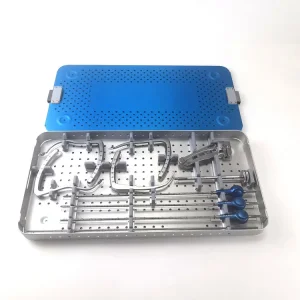
Direct factory auditing metrics and certified regulatory compliance data. Our instruments conform strictly to international medical equipment standards.


Unpacking the structural trends in global orthopedic surgery, implant logistics, and standardizations required by international trauma care networks.
Global regulatory landscapes are consolidating under the EU MDR and FDA Class II requirements. Reusable instrument sets must withstand severe sterilization loops while retaining surgical alignment accuracy without micro-fracturing or metal fatigue.
Medical-grade titanium alloys (Ti-6Al-4V ELI) and PEEK (Polyetheretherketone) represent the zenith of implant biomechanics. Our materials prevent osteolysis, reduce stress shielding effects, and mimic natural bone elasticity to ensure superior osteointegration.
Modern operation theaters demand standard trauma screw interfaces. Our instrument boxes feature high-precision hex, torx, and star-drive configurations compatible with major global orthopedic systems, reducing setup overhead in critical trauma rooms.
Every drill bit, tap, and depth gauge we produce undergoes passivation and electro-polishing to build a highly inert, chromium-oxide layer. This chemical barrier prevents corrosion during repeated autoclaving cycles and enzymatic cleanings.
Our facility leverages 4 dedicated production lines, managing a rigorous QA matrix supervised by two graduate inspectors. This safeguards 100% raw-material traceability, tracking every billet of surgical steel back to its foundry melt report. The result is zero surgical failure risk under high load-bearing orthopedic configurations.
| Parameters | Medical Titanium (Grade 5) | Medical PEEK Poly | 316LVM Stainless Steel |
|---|---|---|---|
| Biocompatibility | Excellent (FDA Approved) | Exceptional (Inert) | High (Standard Trauma) |
| Tensile Strength | ≥ 860 MPa | 90 - 100 MPa | ≥ 490 MPa |
| Modulus of Elasticity | 110 GPa | 3.6 GPa | 193 GPa |
| Application | Pedicle Screws, Plates | Spinal TLIF Cages | Drill Guides, Osteotomes |
The biological demands of reconstructive surgery transcend species. Veterinary orthopedic operations have rapidly mirrored human clinical demands, adopting titanium PEEK cages for canine spine fusion and brushless motor oscillating saws to secure clean osteotomies without thermal necrosis.
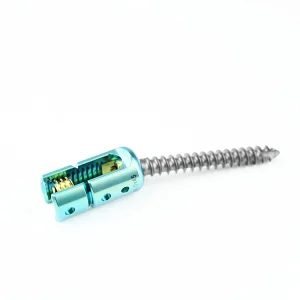
Our orthopedic portfolios accommodate these crossover demands. We manufacture spinal pedicle screw systems (available in 5.5mm and 6.0mm architectures) optimized for either reconstructive human neurosurgery or critical large-animal spinal stabilization. Through customizable configurations and tailored sterilization boxes, hospitals can rapidly index tools by surgical module size.
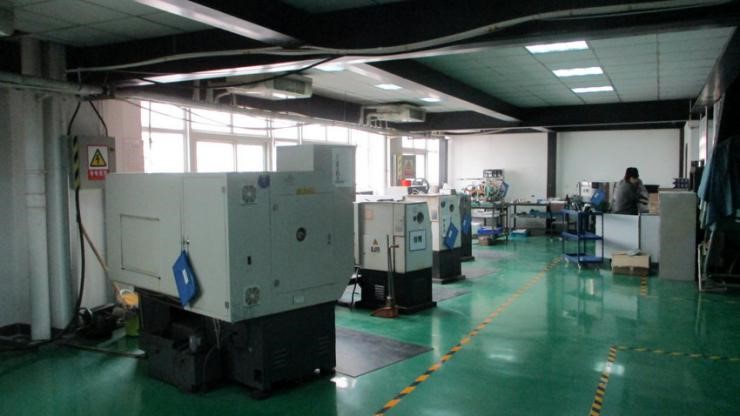
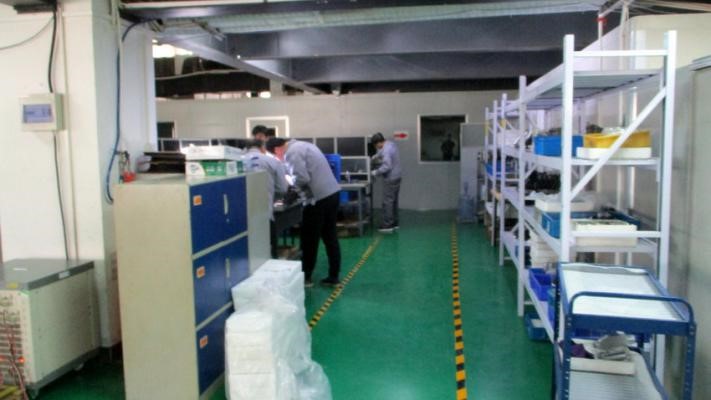
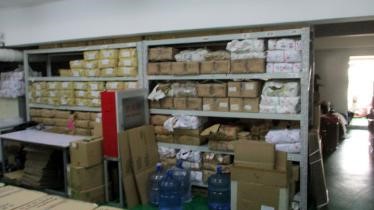
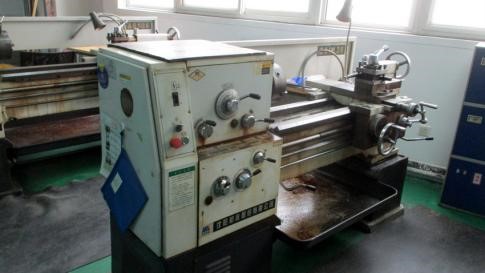
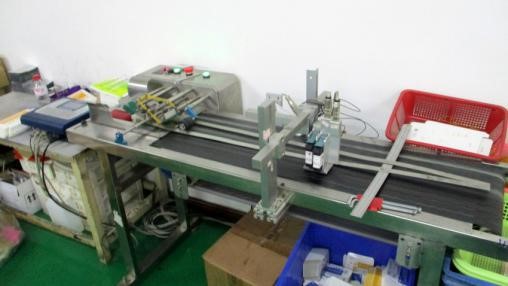
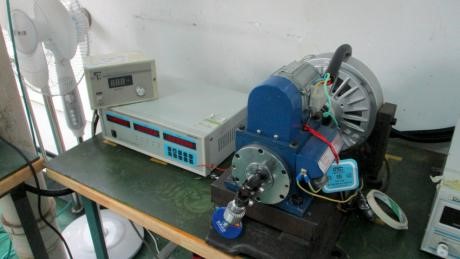
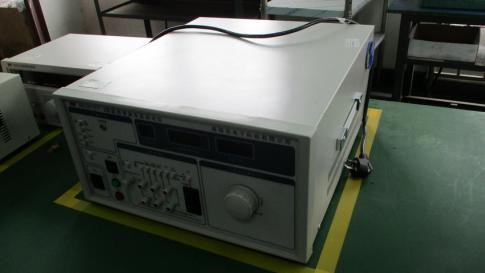
Visualizing our raw material processing, robotic tolerances calibration, sterilization testing, and final product packaging.
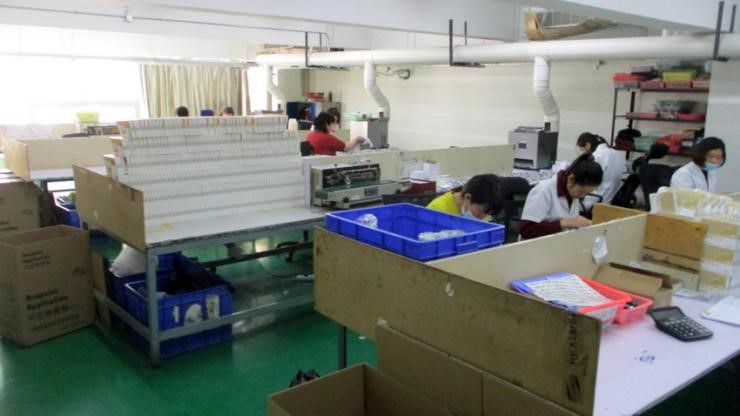
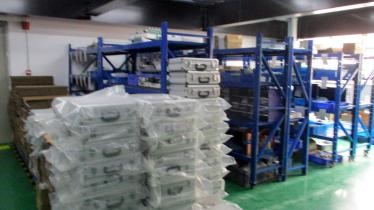
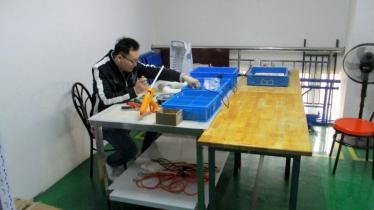
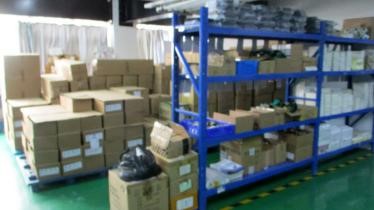
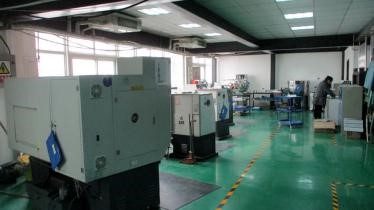
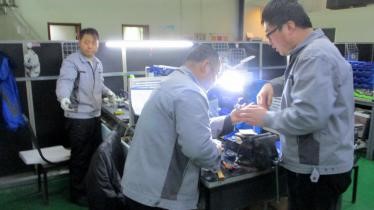
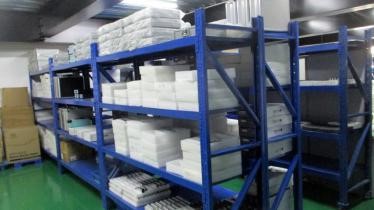
Leading the orthopedic export industry into the next generation of smart surgery. Our roadmap prioritizes biological performance, structural fatigue resistance, and system integration.
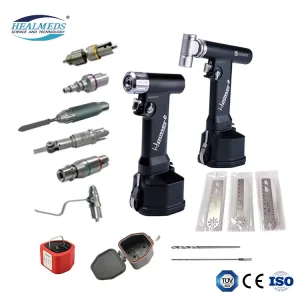
Integrating intelligent brushless controllers in bone oscillating saws. Our micro-chip motor design monitors real-time cutting drag, adaptively governing torque outputs to prevent mechanical bone fracturing and limit thermal tissue damage.
Developing structured laser textures on TLIF and PLIF cages. Through high-frequency metal surface manipulation, we create micro-porosities that trigger bone marrow stem cell attachment, shortening clinical healing periods by 30%.
Implementing robotic sorting, automated packing, and laser engraving lines for customized instrument trays. This minimizes manual contact prior to final terminal sterilization, maintaining zero particulates inside the surgical set containers.
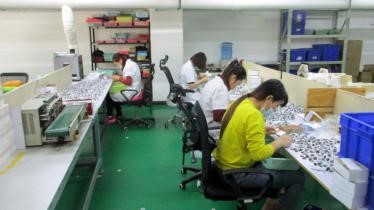
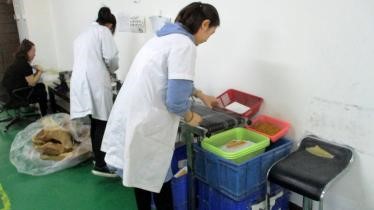
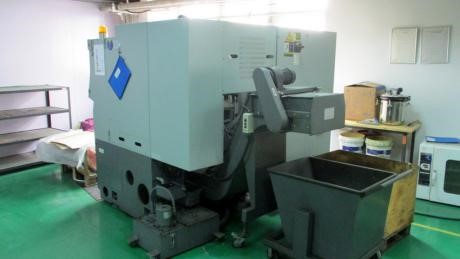
Under the ISO 13485 framework, we control a double-verification protocol for raw material selection. Each batch of raw titanium rods, medical PEEK blocks, and specialized alloy plates is tagged with a laser bar code that documents the mechanical chemistry, ultimate tensile strength, elongation percentages, and hardness metrics.
These markings remain visible on the components during machining. If any operational anomaly occurs, our inspectors can trace it back to the exact machine, operator, and raw material batch. This trace protocol forms the foundation of our trusted exporter status across North America and South America.
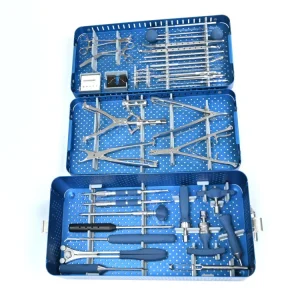
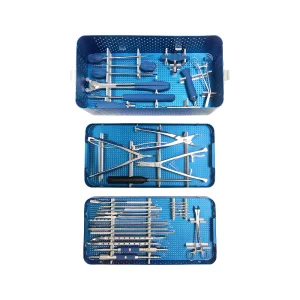
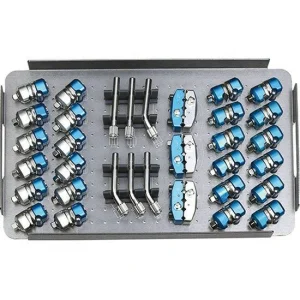
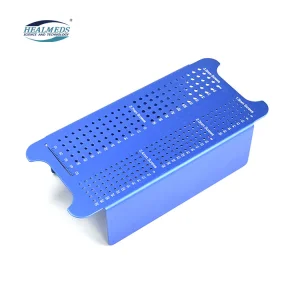
Our orthopedic screw organizer cases and modular instrument trays are crafted from premium anodized aluminum alloys or durable PPSU polymers. These structural containers feature medical silicone inserts that hold fine tools securely during ultrasonic washing or steam autoclaving.
The structured layout prevents impact damage, and color-coded labels make size identification easy during surgery. This clean layout saves time and helps nurses quickly locate bone taps, trial cages, and drill guides.
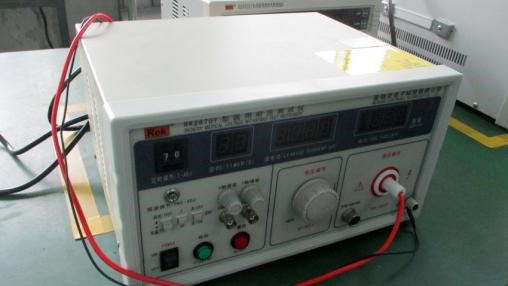
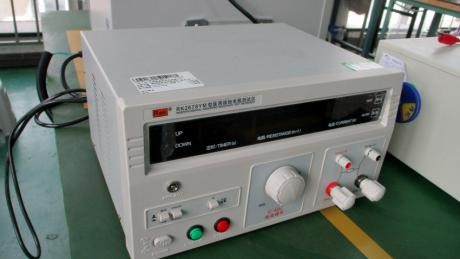
In-depth insights into regulatory standards, customization processes, sterilization steps, and delivery timelines.
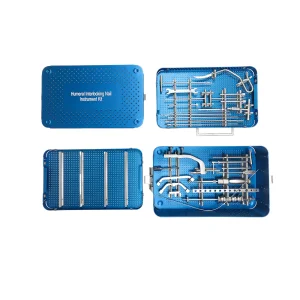
Complete trauma sets, interlocking nail modules, and precision power accessories built to minimize intraoperative issues.