 Health Chi-Tech
Health Chi-Tech
Health Chi-Tech
Pioneering mobile clinical execution systems and medical cart configurations engineered to carry premium implants, precision power machinery, and orthopedics tools.
How modern hospital digital transformations are reshaping POC (Point-of-Care) hardware requirements globally.
The global medical cart sector is transitioning from passive, single-tier mobile storage bins into highly sophisticated, battery-powered clinical workstation engines. Under the pressure of global digitalization, modern clinical operations require seamless bedside access to data. This shift demands carts with integrated power systems, ergonomic configurations, and specific load capacities capable of transporting surgical motors, spinal screw arrays, and critical orthopedic tools securely across cleanroom barriers.
As hospitals move toward EMR (Electronic Medical Records) integrations, the cart itself has become the fundamental physical node of healthcare networks. In sterile surgical theaters and emergency trauma rooms, medical carts function as cleanable mobile platforms containing surgical instruments, complex power tool kits, and high-frequency arthroscopy systems. These setups allow clinical teams to act rapidly without leaving the clean field to retrieve materials.
Bedside medical workstations need smart computing integration, supporting real-time data feeds during spinal pedicle fixation and general ortho surgeries.
Utilizing advanced anodized alloys and chemical-resistant medical coatings that endure intensive autoclave and chemical cleaning procedures.
Integrated with anti-tilt shock absorption wheels, dual locking systems, and precise center-of-gravity calculations for heavy surgical equipment transport.
Navigating certifications and quality thresholds for cross-border hospital tenders and distributor procurement.
Procuring clinical mobile devices requires strict compliance with international medical device directives. Standard commercial carts are not suitable for sterile, intensive clinical environments. Hospitals, medical brand companies, and global wholesalers prioritize regulatory verification—specifically CE Certification (under EU MDR 2017/745) and ISO13485 Medical Devices Quality Management System. These benchmarks confirm that materials, mechanical tolerances, and cleanability meet rigorous clinical requirements.
For brand businesses and distributors, sourcing medical carts that lack CE and ISO compliance introduces substantial legal liabilities and import risks. An accredited manufacturing partner ensures that structural frames, lock mechanisms, and electrical routing components have been tested for durability, preventing structural failures during patient care.
 ISO 13485:2016 Medical Devices Standard
Cert No: UKZB24MD30120R0S
ISO 13485:2016 Medical Devices Standard
Cert No: UKZB24MD30120R0S
 CE Mark Compliance (Medical Workstation Infrastructure)
Cert No: HD 60142131 0001
CE Surgical Auxiliary & Orthopedic Equipment Cart Authorization
Cert No: G1 104715 0002 Rev. 01
CE Mark Compliance (Medical Workstation Infrastructure)
Cert No: HD 60142131 0001
CE Surgical Auxiliary & Orthopedic Equipment Cart Authorization
Cert No: G1 104715 0002 Rev. 01
Leveraging robotic welding, integrated logistics, and 21 years of medical-grade export engineering.
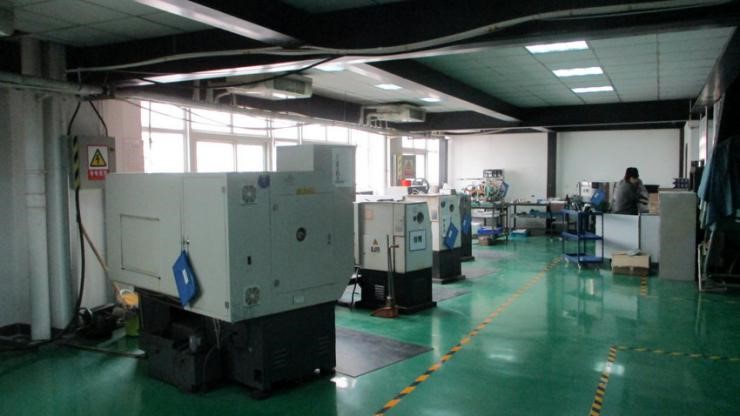
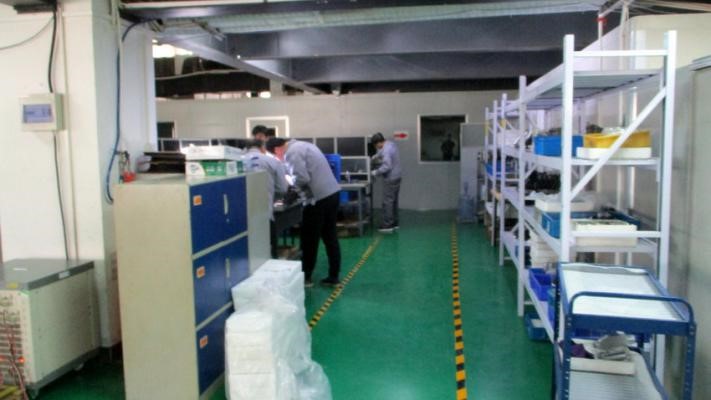
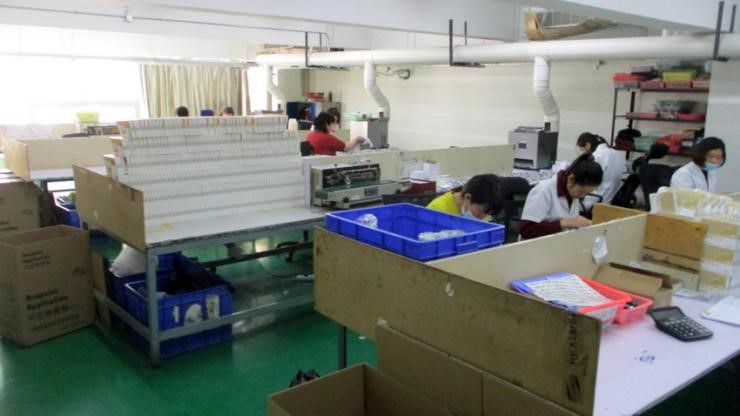
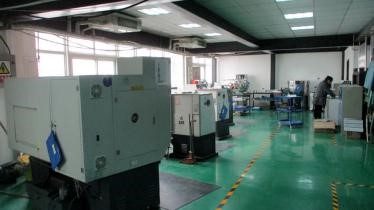
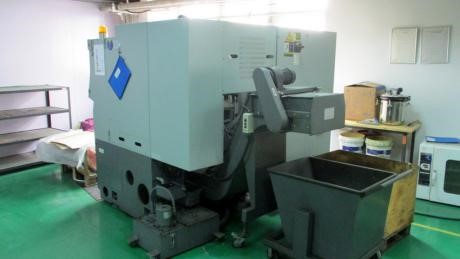
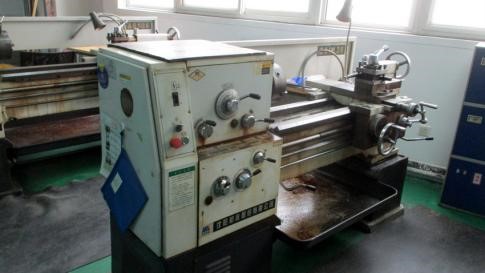
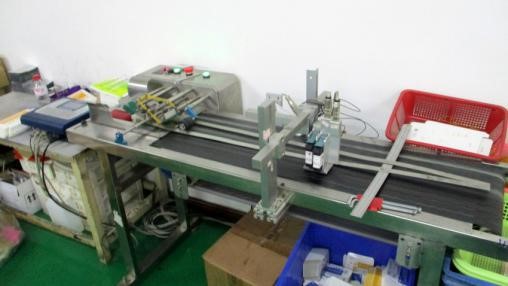
Our production facility operates on advanced industrial design principles, leveraging a robust network of 45 vetted supply chain partners to source raw materials, custom components, and specialized surface finishes. Established on January 14, 2005, the factory covers 1,036 square meters and features 4 dedicated production lines and 8 precision production machines. This setup allows for continuous, high-efficiency manufacturing of medical carts, clinical computer trolleys, and surgical workstation bases.
By utilizing computerized laser cutting, automated tube-bending, and robotic powder-coating lines, we reduce mechanical variance to sub-millimeter tolerances. This manufacturing precision ensures structural stability, allowing carts to transport surgical power drills, Stryker saws, and delicate arthroscopy shavers safely across clinical departments.
Underpinning our manufacturing authority with clear, verifiable operational metrics and quality control records.
Supported by 3 dedicated R&D engineers, all holding graduate degrees. The team engineered and launched 10 new custom product families last year.
Optimized configurations that integrate advanced technology platforms directly into cleanroom operations.
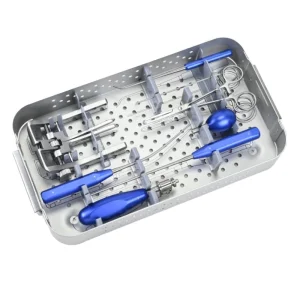
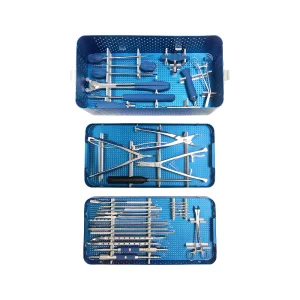
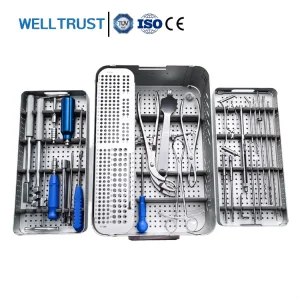
Designed with high-density sterile trays and vibration-insulated drawers, making these carts suitable for carrying complex surgical setups like TLIF Surgical Instrument Sets and Spinal Pedicle Screw Instruments. These configurations keep critical implants accessible during complex lumbar fusion procedures.
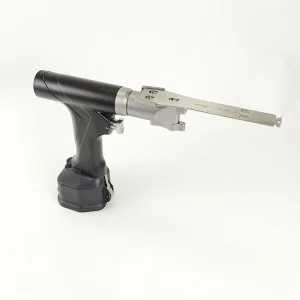
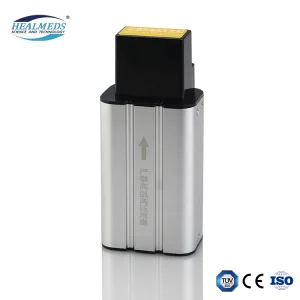
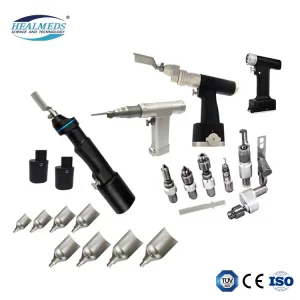
Equipped with integrated power outlets, gas cylinder mounts, and smart cable management routes. This specialized design safely houses heavy surgical instruments like Stryker oscillating saws, arthroscopy shavers, and rechargeable medical batteries, helping to maintain sterile and organized surgical fields.
Compact, impact-resistant structures optimized for veterinary clinics. These carts are engineered to carry lightweight, durable tools—such as veterinary TPLO saws and titanium PEEK cages—protecting sensitive instrumentation during mobile pet surgeries.
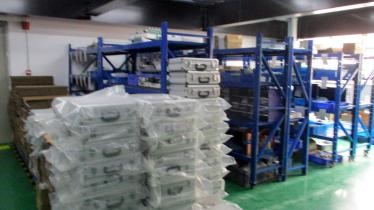
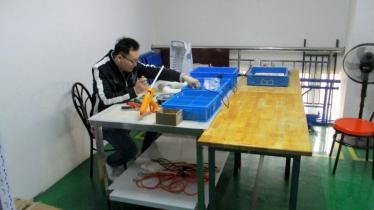
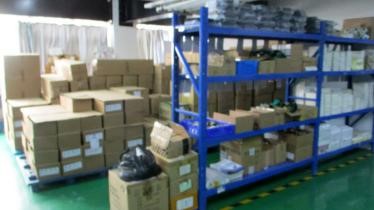
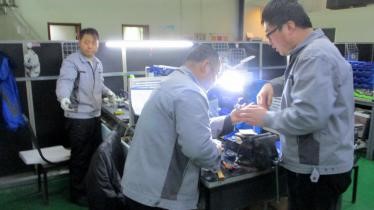
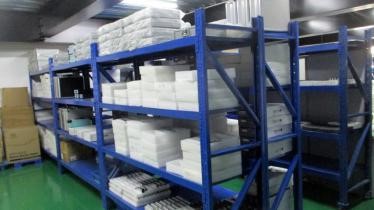
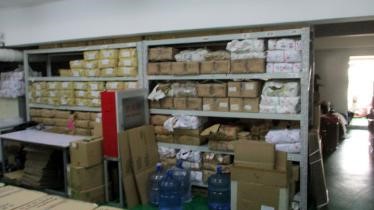
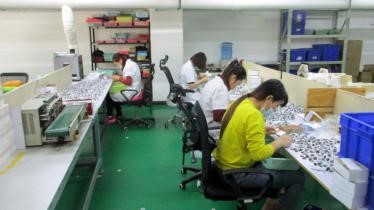
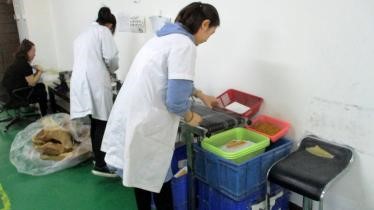
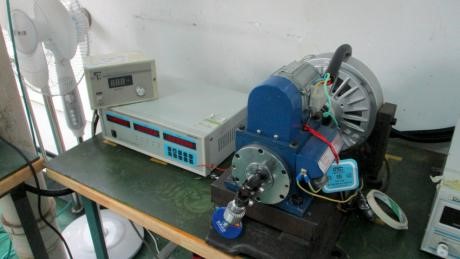
Visual documentation of our 100% inspection pipelines, assembly bays, and metal fabrication workshops.
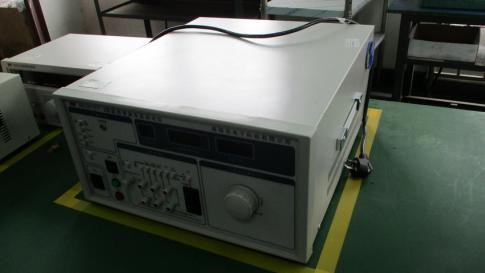
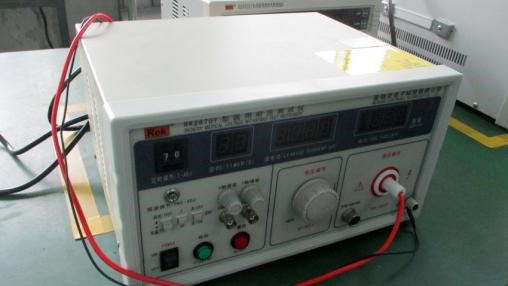
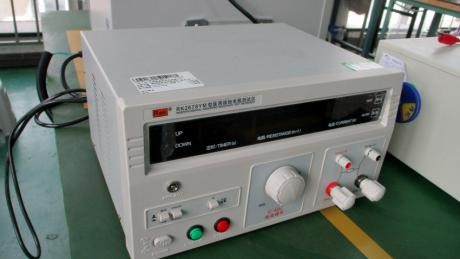
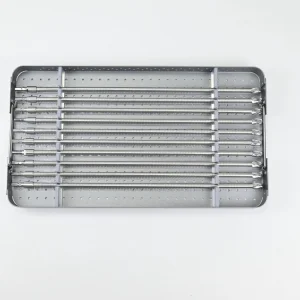
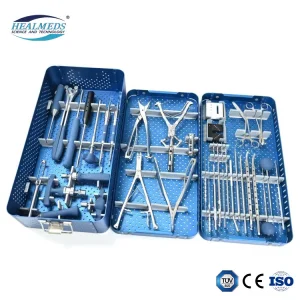
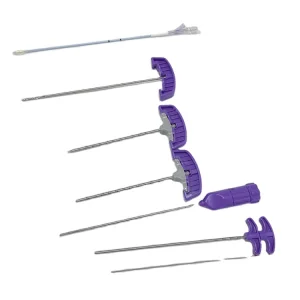
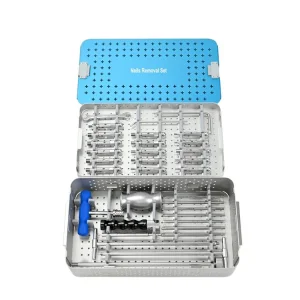
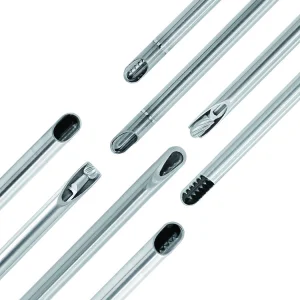
Accompanying devices engineered for high reliability, certified compliance, and seamless operational compatibility.
Answering critical procurement questions regarding custom fabrication, certifications, and international shipping.
Our manufacturing processes are fully compliant with ISO 13485:2016 quality system requirements (Certificate: UKZB24MD30120R0S) for medical devices. The medical cart and surgical workstations carry CE markings under HD 60142131 0001 and G1 104715 0002 Rev. 01. This certification status ensures compliance with EU import regulations for hospital utilization.
Yes. Backed by 3 graduate-level R&D engineers, we offer comprehensive design services, including light customization, CAD blueprint processing, and sample prototyping. We can customize height adjustments, drawer configurations, monitor arm load capacities, and integrate custom backup batteries to meet your specifications.
Our carts use medical-grade steel alloys and anodized aluminum frames, finished with an antimicrobial powder coating. This surface treatment ensures resistance to standard hospital disinfectants (such as isopropyl alcohol, chlorine dioxide, and hydrogen peroxide vapors), preventing corrosion over long-term use.
We have 21 years of medical export experience, with North America (20%) and South America (18%) as our primary markets. Supported by 45 vetted supply chain partners, we manage consistent material sourcing and logistics. This network helps maintain stable production lead times, even during volatile shipping conditions.
We implement a strict quality control process managed by two dedicated QA/QC inspectors across all four assembly lines. We perform a 100% inspection on every product batch. This process includes testing load distribution, caster wheel durability, lock integrity, and validating material tracking records before releasing goods for shipment.