Health Chi-Tech
Choosing the best Cranial Perforator requires more than comparing speed, price, or brand reputation. It requires careful attention to surgical purpose, bone thickness, drill control, and patient safety. A perforator used for a thin pediatric skull may not suit an adult cranial procedure. Small differences matter.
Experienced neurosurgical teams usually evaluate cutting performance, depth control, compatibility, and sterilization requirements. They also review manufacturer instructions and institutional protocols before adoption. A reliable Cranial Perforator should create a controlled opening while limiting unnecessary pressure, heat, and tissue risk. Clear handling can support safer, more consistent results.
The surgeon’s experience remains important.
No device replaces sound judgment.
This guide considers practical factors that influence selection, including design, safety mechanisms, maintenance, and workflow efficiency. It also examines how bone density, operative access, and available equipment can change the decision. Published evidence and verified product information should guide final comparisons. Marketing language alone is not enough.
There is no universally perfect Cranial Perforator. Each system has strengths, limitations, and learning requirements. Some models may feel intuitive but perform differently across procedures. Others may offer advanced features that add complexity without improving every case. That uncertainty deserves honest consideration.
A thoughtful choice balances clinical needs with validated performance. It also includes training, service support, and long-term reliability. Surgeons should confirm that any selected device is legally approved for its intended use. They should follow local regulations and hospital policies. Careful selection protects more than operating time; it supports patient-centered surgical practice.
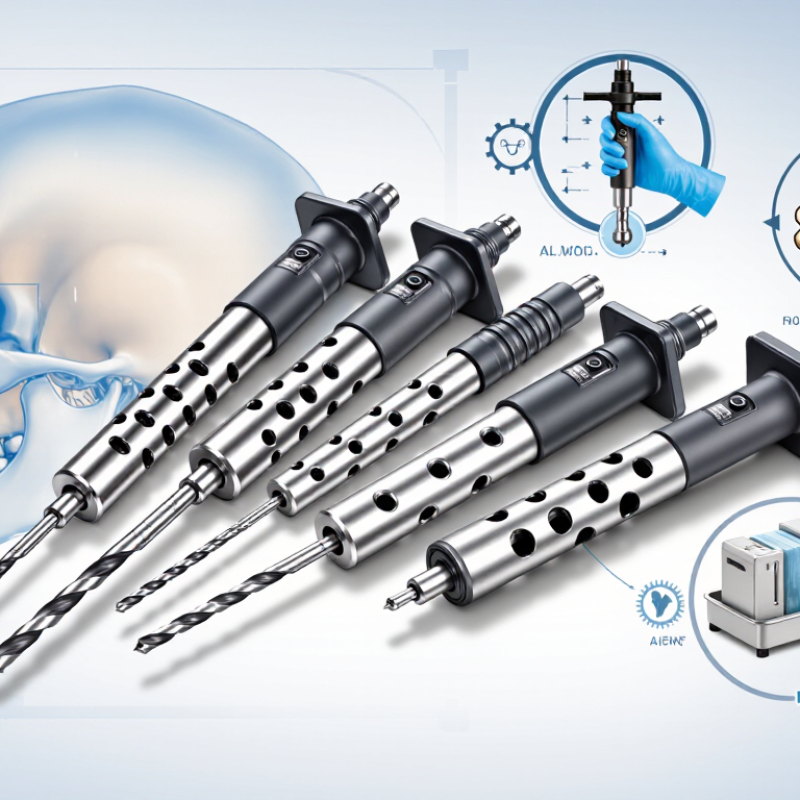
A cranial perforator creates a controlled opening through the skull. Its role is to support safe surgical access while limiting unnecessary bone damage. The device must match the patient’s anatomy, the planned approach, and the surgical team’s experience.
Cranial perforators differ in their drive systems and safety features. Manual models rely on controlled hand pressure and tactile feedback. Powered models use pneumatic or electric systems for consistent rotation. Some designs include guarded cutting elements or automatic stopping mechanisms. Single-use and reusable options also differ in preparation, maintenance, and cost. No single type suits every case.
Choice begins with bone thickness, access angle, and procedural demands. Preoperative imaging can help the team anticipate difficult areas. The surgeon should also review the device’s instructions, compatibility, sterilization requirements, and regulatory status. In practice, small ergonomic details matter, including grip stability and clear visibility. A reliable team assesses these factors together. Still, a neat checklist can miss unexpected anatomy or equipment limitations. Clinical judgment remains essential, and selection should follow institutional protocols and trained neurosurgical oversight.
Selecting a cranial perforator starts with bone thickness, not habit. Preoperative imaging can reveal thin, dense, or irregular areas. These differences affect penetration control and the risk of uneven entry. A perforator suited to thicker bone may not perform predictably on a fragile calvarium. Measure the intended site carefully. Do not rely on a standard estimate.
Surgical access also shapes the choice. A narrow incision, angled approach, or limited working space may restrict instrument movement. The surgeon should confirm that the perforator can align with the skull surface without excessive wrist pressure. Stable positioning matters. Even a technically suitable device can become difficult to control through a poor trajectory. Small access errors may create larger problems.
Compatibility requires more than checking the connection. Confirm the shaft dimensions, handpiece interface, guard mechanism, and irrigation requirements. Review the current instructions for use and verify sterile-processing limits with the operating-room team. A quick trial outside the patient can expose looseness, unusual vibration, or poor visibility. This step is easy to skip. It should not be.
Clinical judgment still matters when measurements and specifications appear clear. Bone quality, patient anatomy, and the planned flap can change during surgery. A careful team should reassess rather than force the original plan. That imperfect pause may protect precision better than speed.
Comparing Cutting Performance, Safety Features, and Durability
Cutting performance should be judged beyond speed. A reliable cranial perforator should advance smoothly, create a controlled opening, and limit unnecessary vibration. In practical evaluations, I look for consistent penetration across different bone thicknesses. Excessive heat, chatter, or sudden resistance deserves attention. No tool is perfect. Even experienced teams can misjudge performance when testing only on ideal specimens.
Safety features are equally important. A clutch or automatic stopping mechanism may reduce the risk of uncontrolled advancement. A clear depth response also helps the surgeon recognize changing resistance. The handpiece should support a stable grip, even with gloves and irrigation. Feel matters. However, safety features do not replace training, maintenance, or approved operating procedures. Their value depends on correct setup and careful use.
Durability affects both reliability and long-term cost. Inspect the cutting tip, attachment points, and protective components after repeated use. Corrosion resistance and straightforward sterilization requirements can improve workflow. Review documented testing, service guidance, and regulatory compliance before purchase. I have found that durability claims can look convincing but remain incomplete without independent evidence. A balanced assessment should include clinical feedback, maintenance records, and performance after repeated processing.
Sterilization should be assessed before cutting performance. Confirm whether the perforator is single-use or reusable. For reusable instruments, check the validated cleaning, disinfection, and sterilization instructions. Steam exposure, drying time, and repeated cycles can affect sharpness and mechanical strength. A clean-looking instrument may still have hidden residue or damaged edges. Ask the sterile-processing team to review inspection points and tracking records. Do not rely on appearance alone.
Handling matters during a precise procedure. The perforator should offer stable control with gloved hands. A textured grip can reduce slipping when irrigation or blood affects the field. Balance also matters. Excessive weight near the handpiece may increase fatigue and reduce tactile feedback. During practical evaluation, test loading, release, and guard adjustment with one hand. Small delays become frustrating. I would not judge comfort from a short demonstration only; longer simulated use may reveal pressure points and awkward movements.
Equipment compatibility requires careful verification. Check the handpiece coupling, drive speed, torque range, shaft dimensions, and protective guard. Confirm that the perforator matches the intended cranial thickness and procedure requirements. Irrigation access should not interfere with visibility or movement. Review the current equipment instructions with a qualified clinical engineer or operating-room specialist. Compatibility tables can be useful, but they may not reflect every setup. A trial under realistic conditions is safer than assuming universal fit.
Choosing a cranial perforator begins with the surgical plan, not the instrument cabinet. The required diameter, cutting depth, and bone characteristics should guide selection. A standard adult craniotomy may need a different perforator from a pediatric or revision procedure. Bone can be unexpectedly dense, thin, or irregular.
The handpiece must match the perforator securely and operate within the manufacturer’s stated limits. Inspect the cutting tip, shaft, and locking mechanism before use. Irrigation can reduce heat, but it does not replace controlled pressure and steady technique.
In my experience, rushing the first opening creates avoidable problems. Small movements matter.
Procedure length also deserves attention. A reliable perforator should maintain smooth performance without excessive vibration. For fragile bone, surgeons may prefer a design that offers controlled penetration and clear tactile feedback. Still, no single model fits every case. That assumption sounds convenient, but it can be unsafe. Patient anatomy, previous surgery, and imaging findings may change the decision.
Selection should follow validated surgical protocols, staff training, and the current instructions for use. The operating team should confirm compatibility before sterilization and review any warning signs, including unusual resistance or heat. Clinical judgment remains central. Even experienced surgeons should pause when the instrument behaves differently. That moment may prevent a larger complication.
It creates a controlled opening through the skull. This supports surgical access while limiting unnecessary bone damage.
Manual models use hand pressure and tactile feedback. Powered models use pneumatic or electric rotation. Some include guarded cutters or automatic stopping features.
The choice should reflect bone thickness, access angle, opening size, and procedural demands. Patient anatomy matters more than a crowded instrument cabinet.
No. Adult, pediatric, revision, thin-bone, and irregular-bone procedures may require different designs. One tool cannot solve every situation.
The perforator should advance smoothly with limited vibration. Watch for excessive heat, chatter, sudden resistance, or uneven penetration. Speed alone proves little.
Clutches, guarded cutting elements, and automatic stopping mechanisms may limit uncontrolled advancement. They cannot replace training, maintenance, or careful technique.
Confirm handpiece compatibility and inspect the tip, shaft, and locking mechanism. Review sterilization requirements and current instructions. Small checks prevent larger problems.
Imaging may reveal difficult bone areas and unusual anatomy. However, images cannot predict every equipment limitation. The surgeon must still respond to changing resistance.
Inspect cutting tips, attachments, and protective parts after repeated processing. Review maintenance records and independent evidence. Durability claims can look stronger than the evidence.
Pause when resistance, heat, or vibration changes unexpectedly. Recheck the setup and follow institutional protocols. Experienced teams can still misjudge a tool.
Choosing the best Cranial Perforator requires a careful balance of surgical purpose, patient anatomy, and instrument performance. Start by understanding the available perforator types and how each is designed for creating controlled cranial openings. Assess bone thickness, the planned surgical approach, and whether the perforator is compatible with the handpiece or drive system used in the operating room. These factors help determine whether a particular instrument can provide accurate access while supporting efficient surgical workflow.
Performance and safety are equally important. Consider cutting precision, resistance to overheating, depth-control features, stability, and overall durability. The instrument should also be easy to handle, simple to clean, and suitable for validated sterilization procedures. Compatibility with existing equipment and maintenance requirements can affect long-term reliability and cost. Ultimately, the best Cranial Perforator is the one that matches the specific procedure, anatomical conditions, and clinical requirements while promoting controlled operation, dependable performance, and consistent patient safety.
