Health Chi-Tech
Choosing the best Acetabulum Reamer in 2026 requires more than comparing sizes, prices, or polished product photographs. This instrument shapes the acetabulum during hip replacement surgery, so small design differences can influence preparation control, bone preservation, and surgical efficiency. Experienced orthopedic teams usually assess cutting performance, shell compatibility, handle connection, visibility, and resistance to deformation. They also consider how the reamer behaves against dense sclerotic bone and softer peripheral areas.
Clinical judgment remains essential. A reamer that performs well in one operating room may not suit another surgeon’s technique, implant system, or patient anatomy. That sounds obvious, yet it is often overlooked. Manufacturer specifications provide useful starting points, but independent evidence, validated testing, and real-world feedback deserve equal attention. Sterilization instructions and instrument tracking also matter, especially in busy hospitals where repeated processing can affect performance.
This guide examines the practical factors behind a reliable purchase decision. It considers cutting geometry, material quality, size range, ergonomic control, connection security, and compatibility with contemporary acetabular systems. It also reviews documentation, warranty support, quality management, and supplier responsiveness. No single model is perfect. Trade-offs remain.
Readers should involve qualified orthopedic surgeons, operating-room staff, biomedical engineers, and procurement specialists before selecting a device. Patient anatomy, surgical approach, and implant planning must guide final decisions. The goal is not to promote the most expensive option. It is to identify an Acetabulum Reamer that delivers predictable preparation, supports careful bone management, and fits established clinical protocols. Evidence matters. So does experience.
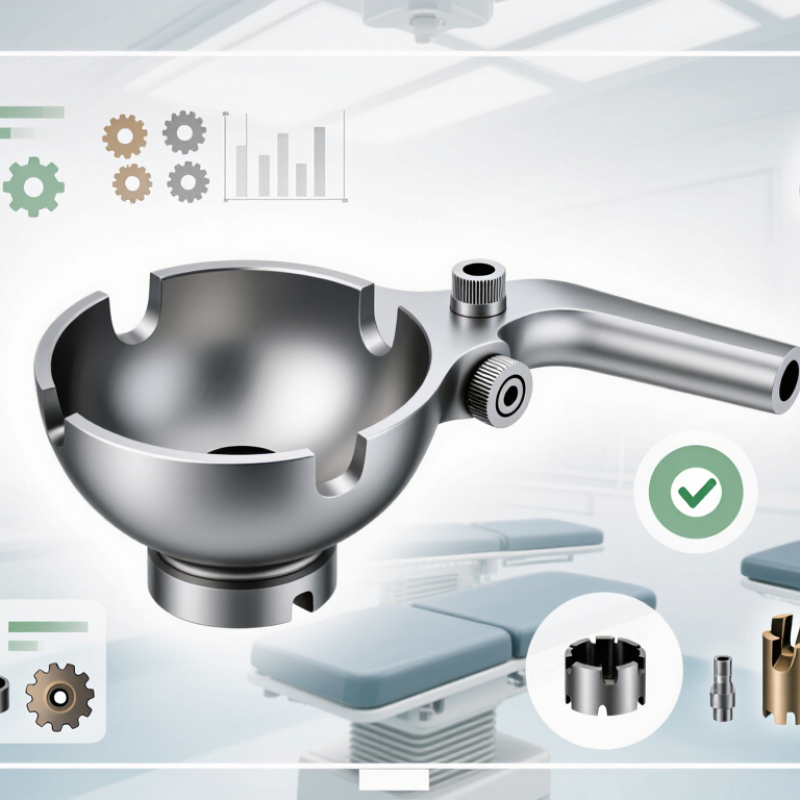
How to Choose the Best Acetabulum Reamer in 2026?
What Is an Acetabulum Reamer and What Does It Do?
An acetabulum reamer is a hemispherical surgical instrument used during hip replacement procedures. It removes cartilage and small amounts of bone from the hip socket. The goal is to create a controlled, rounded cavity for an acetabular component. Proper preparation can support stable seating and accurate cup positioning.
The instrument usually includes cutting teeth, flutes, and a connection for a powered or manual handle. Its size, geometry, and cutting pattern affect bone removal and surgical control. Experienced surgical teams consider the patient’s anatomy, bone quality, planned component size, and surgical approach. A sharp reamer should cut smoothly, not chatter or require excessive pressure. Excessive force can damage valuable bone. That risk is easy to underestimate.
In practice, the best reamer is not always the fastest one. Tactile feedback matters, especially when bone is thin or uneven. A size chart alone can mislead. Selection should also include verified compatibility, secure attachment, reliable cleaning instructions, and appropriate sterilization. These details may seem ordinary, but small failures can interrupt a procedure.
Tips: Match the reamer size gradually to the surgical plan. Check teeth for wear before use. Confirm handle compatibility and inspect the instrument after sterilization. When bone quality is uncertain, preserve more bone and reassess frequently. There is no universal choice.
Reamer selection begins with the patient, not the instrument tray. CT images can reveal dysplasia, protrusio, bone loss, and uneven acetabular walls. The National Joint Registry’s 21st Annual Report recorded more than 1.5 million hip replacement procedures, highlighting the need for consistent implant positioning and revision surveillance. These figures do not identify one perfect reamer. They show why surgical judgment still matters.
Bone quality strongly influences the reaming strategy. Osteoporotic bone may require conservative hemispherical reaming and careful preservation of the medial wall. Dense sclerotic bone can demand sharper cutting geometry and controlled pressure. In dysplasia, a smaller reamer may protect the anterior and superior columns. In revision surgery, flexible, multi-size systems may help manage segmental defects. Blood loss, exposure, surgical approach, and planned cup fixation also affect the choice.
Do not chase a perfect fit.
The American Joint Replacement Registry’s 2024 Annual Report links long-term arthroplasty monitoring with patient characteristics, implant positioning, and revision outcomes. However, registry data cannot capture every intraoperative decision. That limitation deserves attention. A reamer that performs well in a laboratory may behave differently in fragile bone or limited exposure. Surgeons should compare preoperative imaging with tactile feedback, trial stability, and final component orientation. Reaming depth, inclination, and version must support stable fixation without unnecessary bone removal. Sometimes the safest decision is slower, smaller, and less impressive.
Choosing an acetabulum reamer starts with the reamer type. Fluted designs can improve bone removal and reduce clogging during preparation. Basket-style systems may provide smoother cutting in dense bone. However, aggressive teeth can remove valuable bone quickly. That is not always an advantage. A 2024 American Joint Replacement Registry report documented more than three million hip and knee procedures, highlighting the need for consistent, reproducible preparation.
Size selection should follow anatomy, not a fixed sequence. Surgeons commonly compare reamer diameter, shell size, and the planned implant geometry. A 1-millimeter increase can change press-fit behavior noticeably. Trialing matters. The reamer should contact healthy host bone without excessive force. Oversizing may improve initial fixation, but it can also increase fracture risk. Undersizing may preserve bone, yet reduce stability. The correct choice is rarely the largest available option.
Material and design also affect handling. Stainless steel offers familiar durability, while specialized alloys may reduce weight or improve wear resistance. Cutting teeth should remain sharp after repeated sterilization cycles. ISO 17665 guidance emphasizes validated steam sterilization processes, but real-world performance still depends on inspection and maintenance. I would not trust marketing claims alone. Review fatigue testing, surface finish, tooth geometry, and compatibility with navigation systems. The 2023 OECD Health Statistics show wide differences in hip replacement rates between countries, reminding clinicians that patient anatomy and surgical practice vary considerably. A reamer that feels efficient in one operating room may perform poorly in another.
Safety should be checked before cutting performance. Select a reamer with clear instructions for use, validated sterilization guidance, and traceable production records. Its geometry should support controlled bone removal without excessive force. Sharp, even teeth matter. Damaged teeth can create uneven preparation and increase surgical difficulty. Look for documented risk management, inspection procedures, and a quality system aligned with ISO 13485. Material information and biocompatibility evidence should also be available. A polished surface looks reassuring, but appearance alone proves little.
Compatibility needs practical verification. Confirm the reamer diameter range, shaft connection, handle interface, and rotation limits. Check whether it matches the planned cup system and available trial components. Small dimensional differences matter. The instrument should connect securely without unusual play or resistance. Review cleaning instructions carefully, especially around teeth, slots, and junctions. Poor cleaning access can become a weak point, even when the design seems excellent. Requirements may vary by region, so follow current regulatory documentation and hospital protocols.
Tips: Request technical drawings, lot traceability, and performance data before selection. Compare the reamer with the exact surgical workflow, not only a product photograph. Ask how wear is detected after repeated processing. If an answer is vague, pause. A short trial assessment can reveal handling problems that specifications miss. No checklist replaces trained clinical judgment. Reflection is still necessary.
Choosing the best acetabulum reamer in 2026 starts with the procedure, not the instrument catalog. Primary total hip arthroplasty usually requires controlled hemispherical preparation. Revision surgery may demand flexible shafts, smaller working diameters, or reamers designed for limited bone stock. The surgeon should assess cup geometry, acetabular defects, bone quality, and the planned implant system before opening the tray.
The National Joint Registry’s 21st Annual Report recorded more than 190,000 primary hip replacements in England, Wales, and Northern Ireland during 2023. That volume highlights a practical issue: one reamer design cannot suit every patient. A larger diameter may improve coverage, but aggressive reaming can sacrifice valuable bone. In dysplasia, anatomical landmarks may be unreliable. In revision cases, selective reaming often protects remaining columns and walls. Small details matter.
Check the cutting efficiency first.
Then assess control.
A reamer should provide predictable progression, stable fixation to its handle, and clear depth feedback. The American Joint Replacement Registry’s 2024 Annual Report also reinforces the importance of tracking primary and revision arthroplasty outcomes. However, registry data cannot replace intraoperative judgment. My own selection checklist would include sharpness, visibility, compatibility, and cleaning requirements. It is not perfect. Surgical preference and real bone behavior can still change the plan. Sources: National Joint Registry 21st Annual Report; American Joint Replacement Registry 2024 Annual Report.
Typical final reamer diameter ranges used for procedural planning. Actual sizing depends on anatomy, implant system, bone quality, and surgeon judgment.
Primary total hip arthroplasty generally uses moderate reamer sizes, while dysplasia cases may require smaller diameters and careful medialization. Revision procedures often require larger sizes to prepare expanded or previously reconstructed acetabular bone. Reaming should remain concentric, controlled, and limited to the planned implant geometry.
It is a hemispherical surgical instrument for preparing the hip socket. It removes cartilage and limited bone. The goal is a rounded cavity for component placement.
Its cutting teeth and flutes remove material in a controlled pattern. A stable connection helps maintain direction. Smooth cutting is important.
No. The fastest option may reduce tactile feedback or remove too much bone. Control can matter more than speed.
Match the size gradually to the surgical plan and planned component. Consider anatomy, bone quality, and socket geometry. A size chart alone can mislead.
Revision cases may involve limited bone stock or existing defects. Smaller diameters, selective preparation, or flexible shafts may be useful. Bone preservation becomes especially important.
Thin or uneven bone requires careful pressure and frequent reassessment. Excessive force can remove valuable bone. That risk is easy to underestimate.
Confirm the reamer fits its powered or manual handle securely. Check attachment stability and planned component compatibility. Small details matter.
Examine the cutting teeth for wear before use. Follow validated cleaning and sterilization instructions. Inspect the instrument again afterward.
No. Patient anatomy, surgical approach, defects, and bone behavior vary. The selection checklist is useful, but it is not perfect.
It should cut smoothly, progress predictably, and provide clear depth feedback. Good visibility and controlled handling also matter. Real surgery may change the plan.
Choosing the best Acetabulum Reamer in 2026 requires a clear understanding of its role in preparing the acetabulum for implant placement. The reamer should remove bone precisely, create a stable hemispherical surface, and support accurate component positioning while preserving as much healthy bone as possible. Selection depends on the patient’s anatomy, bone quality, surgical approach, procedure type, and the surgeon’s preferred technique.
A careful comparison should consider reamer size range, cutting geometry, material, surface finish, durability, handle or drive compatibility, and visibility during use. Safety checks should include secure attachment, reliable performance, appropriate sterilization capability, and compliance with applicable medical-device quality standards. The most suitable Acetabulum Reamer is the one that matches the procedure, provides controlled and efficient preparation, supports consistent surgical accuracy, and integrates safely with the available instruments and workflow.
