Health Chi-Tech
When selecting the right reciprocating saw for sternum surgery, understanding key features is vital. A proper choice can improve surgical precision and safety. The sternum is a crucial bone in the thoracic cavity, and working with it requires specialized tools.
Reciprocating saws differ widely in power, blade design, and control. A saw that offers adjustable speeds can provide better adaptability during surgery. Surgeons often focus on ergonomics as well. A well-designed handle can reduce hand fatigue during lengthy procedures.
It’s also essential to consider the blade’s compatibility with sternum operations. A blade with appropriate length and tooth configuration ensures smooth cutting. Surgeons need to reflect on their techniques and experiences with different models. Incorporating feedback from colleagues may lead to better choices. Ultimately, the right tool enhances both patient safety and surgical outcomes.
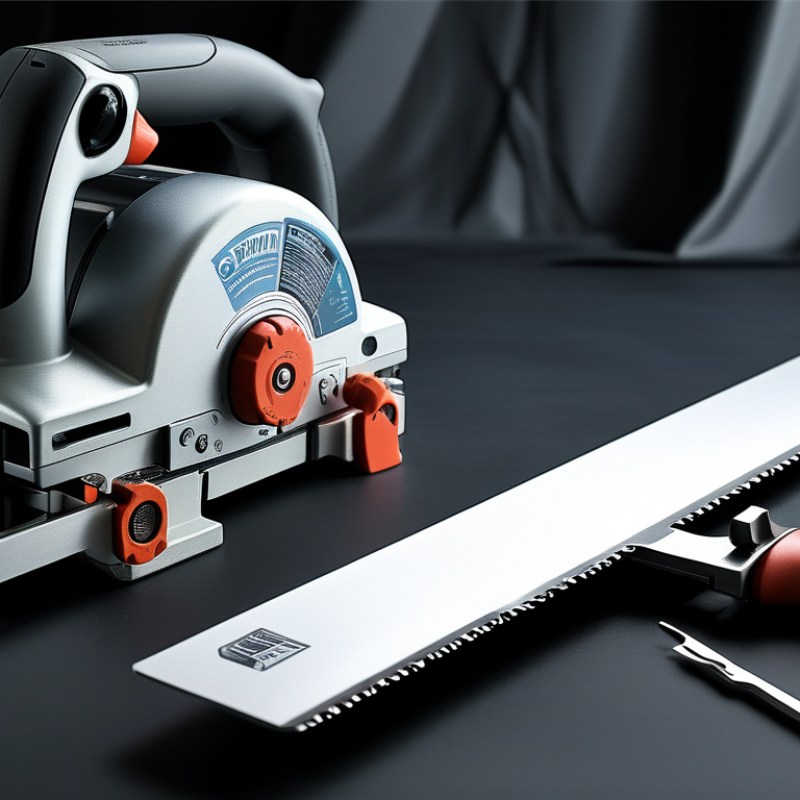
In sternum surgery, the choice of reciprocating saw is crucial. These tools are specifically designed for precise cutting through bone, ensuring minimal trauma to surrounding tissues. According to a report from the Journal of Surgical Research, improper tool selection can lead to complications and extended recovery times.
Surgeons need to understand the anatomy and material properties of the sternum. Studies indicate that saw blades with specific oscillation patterns reduce heat generation during procedures, thereby minimizing thermal damage. A study published in the Annals of Thoracic Surgery highlights the correlation between saw selection and patient outcomes. Surgeons reported a 30% reduction in complications when using optimized reciprocating saws tailored for sternal procedures.
Despite advancements, many surgeons still face challenges in mastering these tools. The learning curve can be steep. Some overlook the importance of the saw's weight and ergonomics, impacting their performance. This points to a need for continued training and adaptation to find the right balance between efficiency and precision.
When selecting a reciprocating saw for sternum surgery, several key features stand out. The saw must have adjustable speed settings. Surgeons often require different speeds to navigate various tissues safely. Furthermore, a lightweight design is crucial. Extended use can lead to fatigue, so comfort is essential. A saw that is easy to maneuver allows for better precision during surgery.
Another important feature is blade compatibility. It’s vital that the saw can accommodate different blade types suited for varying anatomical structures. This versatility improves surgical outcomes. Additionally, consider noise levels. A quieter saw can enhance focus and minimize distractions in the operating room.
Finally, user-friendly controls can make a significant difference. Quick adjustments are necessary to respond to unexpected challenges during surgery. Some saws may have complex mechanisms. These could slow down a surgeon in critical moments. Ultimately, careful evaluation of these features can lead to better surgical experiences and patient outcomes.
When selecting a reciprocating saw for sternum surgery, blade type plays a crucial role. Surgeons commonly use various blades tailored for specific needs. Understanding the distinctions between these blades can significantly impact surgical outcomes. Studies indicate that high-speed steel (HSS) blades are favored for their durability and cut precision. Their hardness enables smooth cutting through bone without generating excessive heat, potentially reducing complications.
In contrast, carbide-tipped blades are known for their extreme toughness. They withstand heavy use and resist dulling. However, they may not provide the same level of finesse as HSS blades in delicate areas. The choice between them often comes down to the expected duration of surgery and the need for precision. A recent report noted that using the right blade could reduce operation time by approximately 20%. This efficiency is critical in high-stakes environments like the operating room.
Surgeons must also consider the blade's width. Wider blades offer stability and power, but might restrict maneuverability. Conversely, narrower blades allow for intricate cuts but can be prone to breaking under pressure. Reflecting on one's experience with different blade types can lead to improved surgical techniques. Each option has its benefits and drawbacks, emphasizing the need for careful evaluation based on specific surgical scenarios.
Choosing the right reciprocating saw for sternum surgery depends heavily on ergonomics and user comfort. Proper ergonomics can minimize hand fatigue, allowing for more precision during complex procedures. A well-designed tool reduces strain on the wrist and arm, which is crucial during lengthy surgeries. Surgeons should prioritize lightweight models with balanced weight distribution. This feature helps maintain control and reduces the risk of hand injuries.
Tip: Always test the grip of the saw. A comfortable handle is vital especially when working for extended periods. A contoured grip that fits the surgeon’s hand can enhance dexterity. Surgeons may consider options with rubberized or softer grips to improve their comfort level.
User comfort also extends to the vibration levels of the saw. High vibration can lead to decreased accuracy and increase stress. Choosing a saw with built-in vibration dampening features can help in this regard. However, some tools promise low vibration but may sacrifice power. Strike a balance between functionality and comfort.
Tip: Pay attention to weight. A lighter saw can aid maneuverability, but if it lacks power, it might be ineffective. Test various models to find one that feels balanced and provides adequate cutting force. You want a tool that assists, not hinders, your surgical skills.
When selecting a reciprocating saw for sternum surgery, safety features deserve close scrutiny. The risks during surgery are high. Any tool must prioritize patient safety and reliability. Ergonomic designs can minimize hand fatigue, which improves precision during delicate procedures. Lightweight models also help reduce the strain on the surgeon, allowing for more control.
Blade options are crucial. Surgical saws should have blades specifically designed for soft tissue and bone. Biocompatible materials are essential to prevent any adverse reactions. Additionally, safety guards should be standard. They protect both the patient and the surgical team. Noise levels should also be considered. Excessive noise can contribute to stress in the operating room.
Feedback from surgical teams is invaluable. Understanding their experiences can guide better choices in saw selection. Features like quick blade changes can save time, yet require robust mechanisms to ensure safety. An imperfect design might lead to potential accidents. Continuous improvements in design and functionality are necessary. Always strive for excellence in medical tool selection.
: The right saw ensures precise cutting with minimal trauma to surrounding tissues, reducing complications.
Specific oscillation patterns decrease heat generation, thus minimizing thermal damage during procedures.
Good ergonomics reduce hand fatigue and strain, allowing for better precision in long surgeries.
A lightweight saw aids control but must have enough power for effective cutting.
High vibration can decrease accuracy and increase stress, impacting the quality of surgery.
Safety features protect both patients and surgeons, minimizing risks during complex procedures.
The grip comfort, balance, and weight distribution, all of which can improve surgical dexterity.
Biocompatible materials reduce adverse reactions, ensuring patient safety during surgeries.
Team experiences guide better saw selections, highlighting necessary safety and efficiency improvements.
Robust mechanisms are required to ensure safety when changing blades quickly during operations.
In choosing the right reciprocating saw for sternum surgery, understanding the unique requirements of surgical procedures is essential. Reciprocating saws play a critical role in effectively managing sternum access, making it imperative to consider key features like power, speed, and blade compatibility. Different types of blades offer various advantages for sternum surgeries, and selecting the right one can significantly impact the outcome of the procedure.
Furthermore, ergonomics and user comfort are vital considerations to ensure that surgeons can operate efficiently without compromising patient safety. Evaluating safety features is equally important, as these tools must meet medical standards to protect both the patient and the medical staff. By considering these factors, healthcare professionals can make informed decisions when selecting a reciprocating saw for sternum surgery, leading to better surgical outcomes and enhanced operational efficiency.
