Health Chi-Tech
The field of neurosurgery is evolving rapidly. Neurosurgery drills play a crucial role in this evolution. According to a recent report by Markets and Markets, the global neurosurgery devices market is expected to reach $14.3 billion by 2026. This growth highlights the increasing reliance on advanced surgical technologies.
In 2026, significant trends in neurosurgery drills will emerge. Innovative designs are enhancing surgical precision. Advanced materials are improving durability. These trends reflect the industry’s commitment to patient safety and surgical outcomes. However, ongoing challenges exist. Not all drills meet the rising standards set by leading neurosurgical centers.
Research shows that training in using these new tools is essential. It’s not just about having advanced equipment; skilled personnel make the difference. Moreover, integrating these drills into existing surgical workflows presents hurdles. Although progress is being made, it’s critical to focus on both technology and training. Emphasizing continuous education is key to fully realizing the potential of new neurosurgery drills.
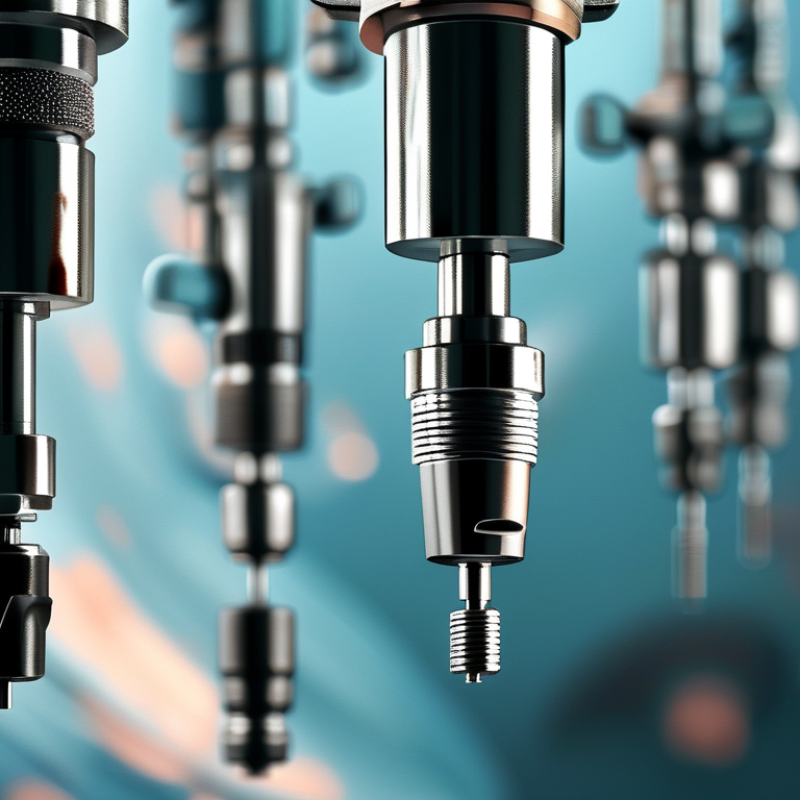
In 2026, the field of neurosurgery will witness significant advancements in drill technology. One key trend is the development of smart drills. These devices integrate sensors that monitor bone density in real-time. This data helps surgeons make informed decisions during procedures. The goal is to minimize damage to surrounding tissues. Precision is crucial in delicate surgeries. Surgeons will benefit from enhanced visibility and control.
Another promising innovation is the emergence of wireless drilling systems. By eliminating the need for cords, these systems increase maneuverability. Surgeons can navigate complex anatomies with greater ease. However, reliance on battery power raises concerns about durability and reliability. Surgeons must adapt to potential power limitations during long procedures.
Robotic-assisted drills are also gaining traction. These systems provide unparalleled precision and stability. They allow for intricate maneuvers that human hands might struggle with. Nonetheless, there are challenges in ensuring seamless collaboration between machines and surgeons. The future of neurosurgery drills is bright, but careful consideration of these innovations is essential.
The evolution of neurosurgery drills is shaping the future of surgical procedures. Enhanced precision and safety are central to this advancement. New designs incorporate improved ergonomics, allowing surgeons to operate with greater comfort. This minimizes fatigue during long procedures and leads to better outcomes.
A shift towards smart technology is notable. Some drills now feature advanced sensors that provide real-time feedback. Surgeons can now adjust their techniques based on immediate data. This technology enhances safety by reducing the risk of injury to surrounding tissues. However, there is a learning curve. Surgeons must adapt to these advancements to maximize their benefits.
Despite these innovations, challenges remain. The integration of new tools into existing workflows can be complex. Some surgeons may resist change, fearing complications or unfamiliarity. As developments progress, ongoing education is vital. Continuous training will ensure that the benefits of these advanced drills are fully realized in the operating room. Balancing innovation with practical application is crucial for the field's growth.
The integration of smart technology and AI in neurosurgery tools is transforming the field. Surgeons are increasingly using advanced systems that enhance precision and efficiency. These innovations allow for more accurate diagnoses and targeted treatments, reducing surgery time and improving patient outcomes.
One example of this evolution is the use of AI-driven imaging tools. They aid surgeons in identifying pathways and anomalies within the brain. However, reliance on technology also raises concerns. Overdependence can lead to errors if machines misinterpret data or fail. It is essential for medical professionals to balance innovation with their clinical judgment.
Tips for incorporating AI in neurosurgeries include regular training sessions. Surgeons should familiarize themselves with new tools. This knowledge helps in using technology effectively. Another tip is to maintain open channels of communication with tech developers. Collaboration can lead to improvements in device functionality and reliability. Evaluating the effectiveness of these tools continuously is vital. It ensures they meet the evolving needs of neurosurgery.
The sustainability movement is significantly influencing the future of neurosurgery equipment. A recent report from a leading healthcare research firm indicates that 70% of medical professionals are prioritizing green innovations in surgical tools. This highlights a shift towards eco-friendly practices in operating rooms. The demand for sustainability is reshaping how neurosurgery drills are manufactured.
Recyclable materials and energy-efficient technologies are becoming the norm. Studies have shown that using these materials can reduce environmental footprints by up to 40%. However, there is a challenge. The higher initial costs of sustainable materials deter some facilities from adopting them. This reflects a need for ongoing dialogue about balancing budget constraints with ecological responsibility.
Innovation is key to making sustainable neurosurgery equipment more accessible. Collaborations among manufacturers and health institutions may help streamline production processes. As more facilities adopt these practices, the industry can better align with global sustainability goals. The conversation around these trends is crucial for the future of neurosurgery.
Advancements in neurosurgery drills increasingly focus on patient-centric designs. Surgeons now prioritize tools that enhance precision while minimizing damage to surrounding tissue. Enhanced visualization options and ergonomic handles are two notable features being integrated into drill systems. They help improve the surgeon's dexterity and control during complex procedures. The goal is to create a seamless experience for both the patient and the medical team.
User feedback plays a crucial role in shaping these innovations. Surgeons share experiences about surgical challenges. Their insights drive the development of features that improve efficiency and safety. For example, adjustments in weight distribution on drills can help reduce hand fatigue during long surgeries. Incorporating these elements illustrates how drills can be refined through real-world application. Yet, challenges remain in balancing advanced technology with surgical simplicity. All innovations must be rigorously tested to ensure reliability and optimal performance. This careful approach helps build trust among healthcare professionals and patients alike.
I transforming neurosurgery?
Overdependence on machines can cause errors. Misinterpretation of data may lead to serious mistakes.
Regular training sessions are crucial. Familiarity with new tools enhances their effectiveness during surgeries.
Many professionals are prioritizing eco-friendly practices. The use of recyclable materials is becoming more common.
Higher costs of sustainable materials deter some medical facilities from adoption. Budget constraints create reluctance.
Surgeons share challenges they face. This feedback drives improvements in tool design and functionality.
Enhanced visualization and ergonomic handles are key. These features improve control and minimize tissue damage.
Ongoing assessment ensures tools meet the evolving needs of surgical practices. It also maintains high safety standards.
Innovations must be rigorously tested for reliability. This builds trust among healthcare professionals and patients.
Balancing advanced technology with surgical simplicity remains a challenge. Complex tools may complicate straightforward procedures.
The article on "2026 Top Neurosurgery Drill Trends You Need to Know" discusses several key advancements and innovations shaping the future of neurosurgery drills. Emerging technologies are paving the way for cutting-edge designs that enhance precision and safety during surgical procedures. Furthermore, the integration of smart technology and artificial intelligence is revolutionizing how neurosurgery tools operate, improving outcomes through increased accuracy and efficiency.
In addition to technological advancements, there is a notable focus on sustainability trends that prioritize environmentally friendly practices in the manufacturing of neurosurgery equipment. Patient-centric innovations are also gaining traction, emphasizing the importance of designing tools that enhance patient comfort and recovery. Collectively, these trends mark a significant evolution in the field of neurosurgery, ensuring that neurosurgery drills become safer, more effective, and tailored to meet the needs of both surgeons and patients.
